
Explore
Intelligence
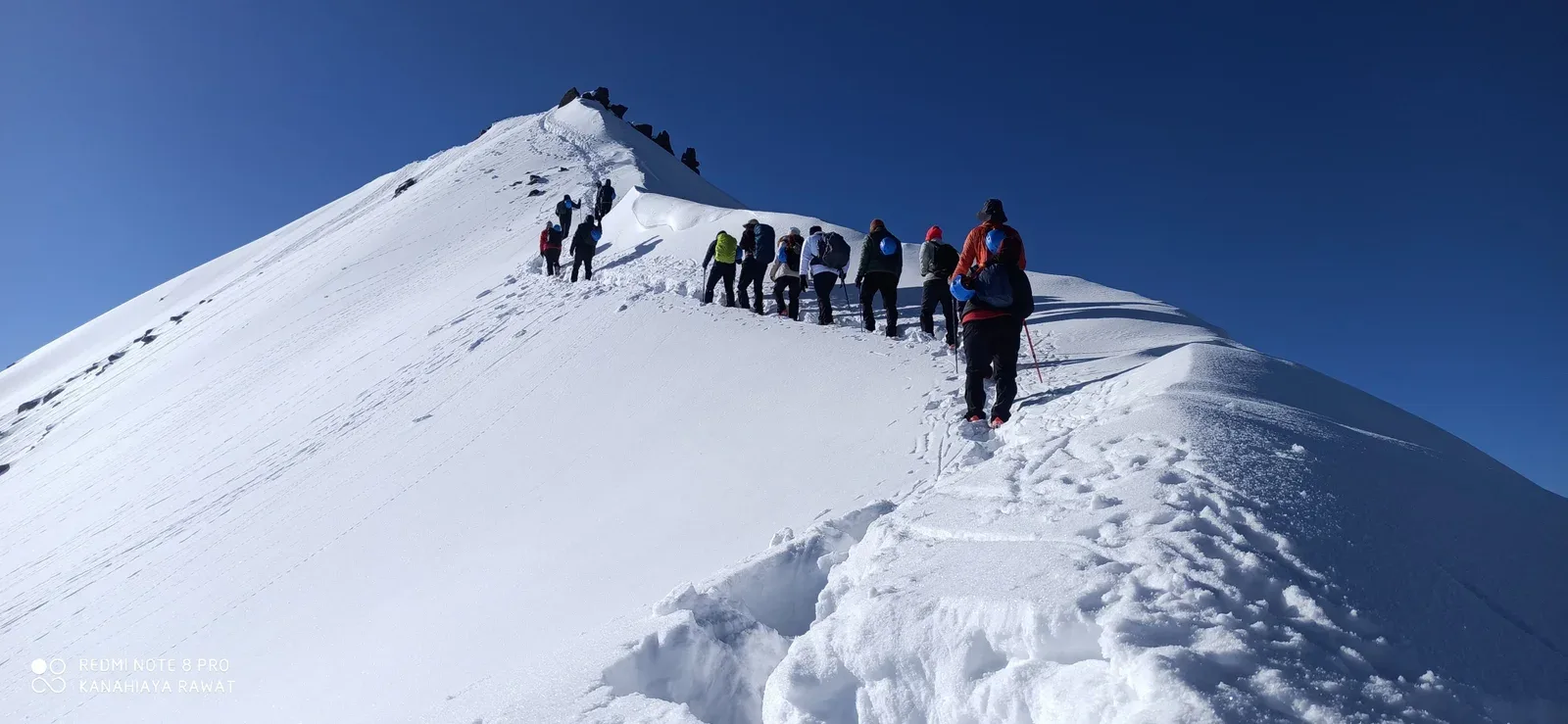
Best Alternatives to Bali Pass Trek
Curated by altitude profile, terrain matching, and difficulty progression — not sponsored listings.
Similar Terrain & Scenery
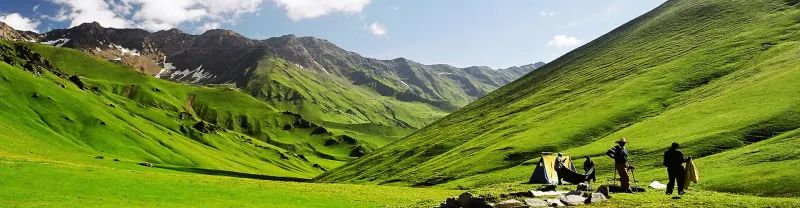
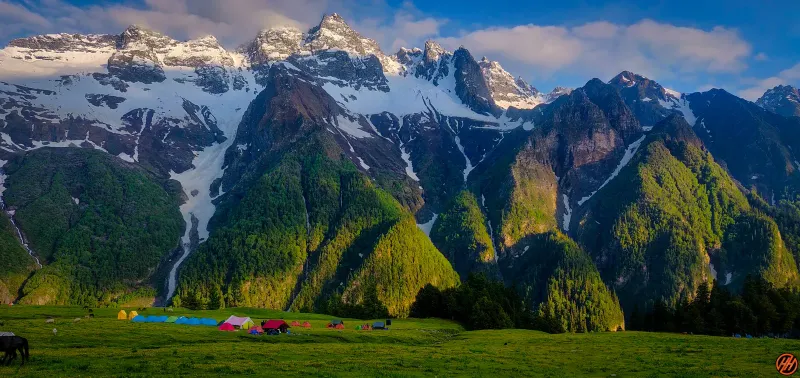
These treks share Bali Pass Trek's moraine character — similar underfoot conditions, comparable scenery, different routes.
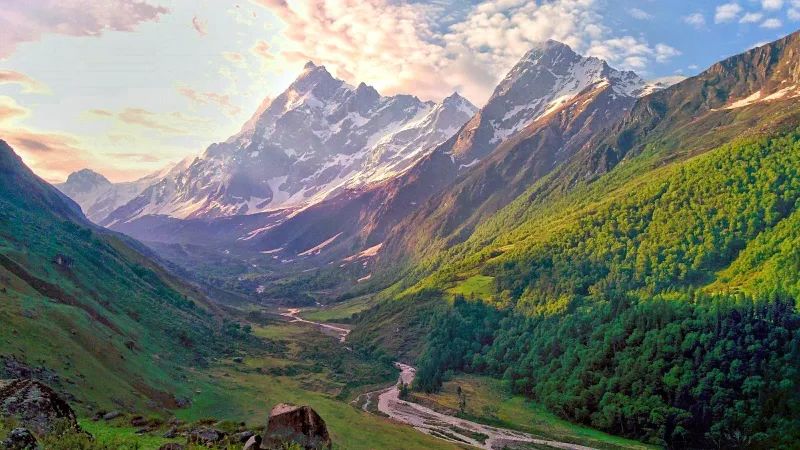
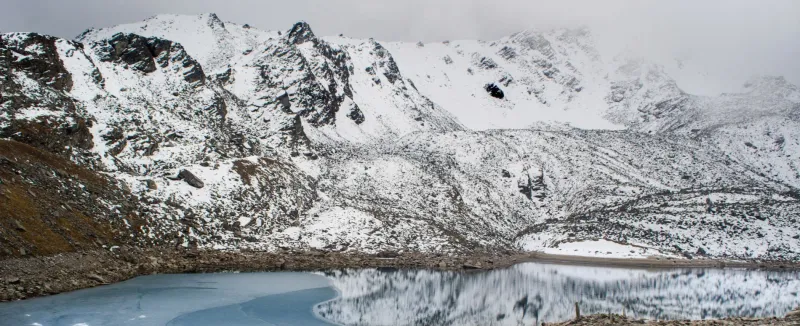
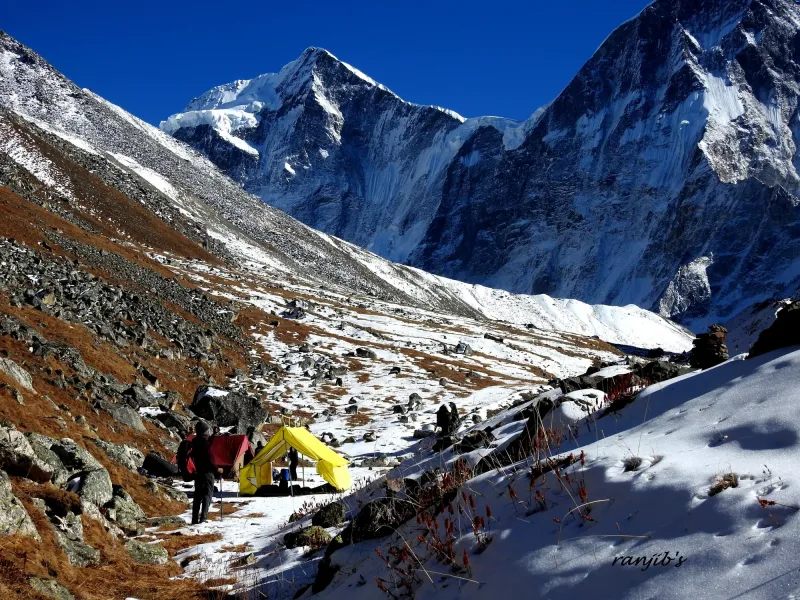
Similar Altitude Profile
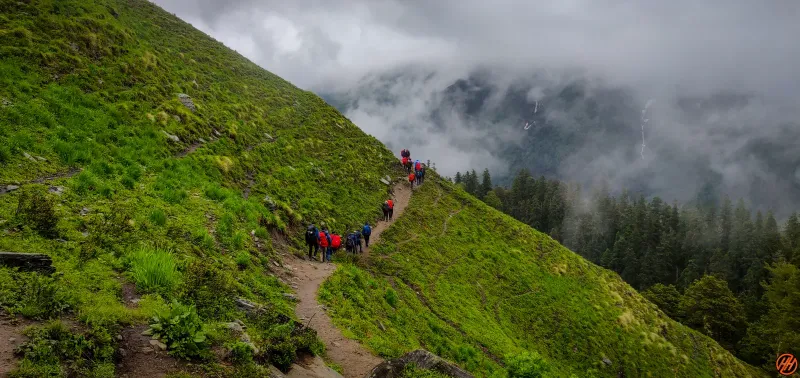
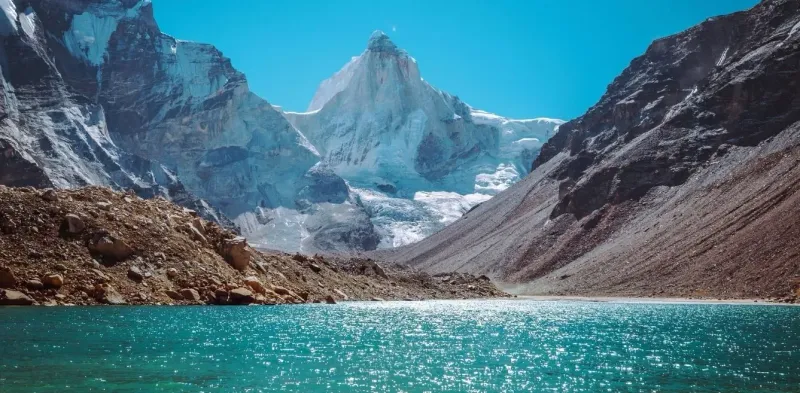
If the high-altitude exposure of Bali Pass Trek (around 16,207 ft) is what you're optimizing for, these treks offer comparable elevation profiles.
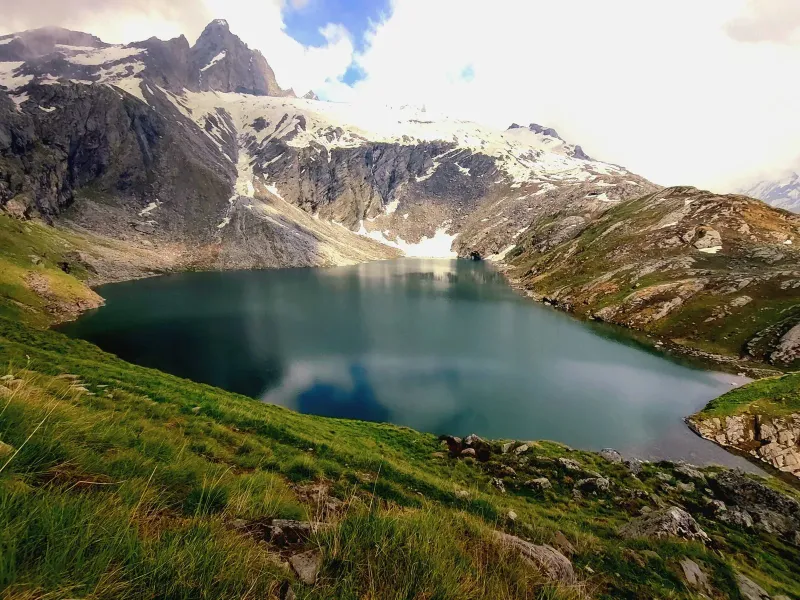
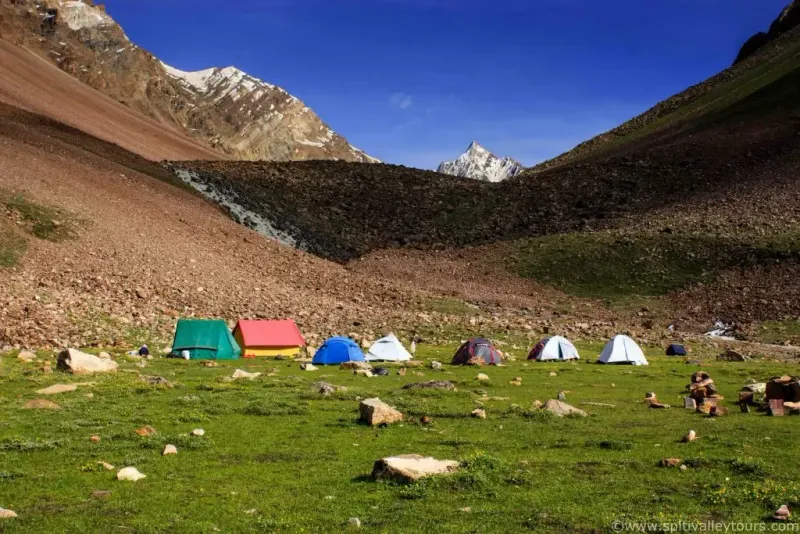
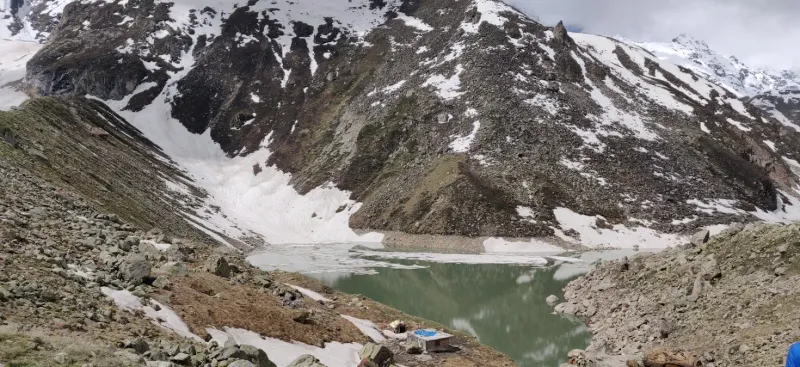
Pro Tip: Since the altitude is comparable, focus your training on technical terrain — these routes may have more rock or snow exposure.
Higher Altitude Progression
Looking to go higher than Bali Pass Trek? These treks share its character but take you significantly further into the high-altitude zone (above 16,207 ft).
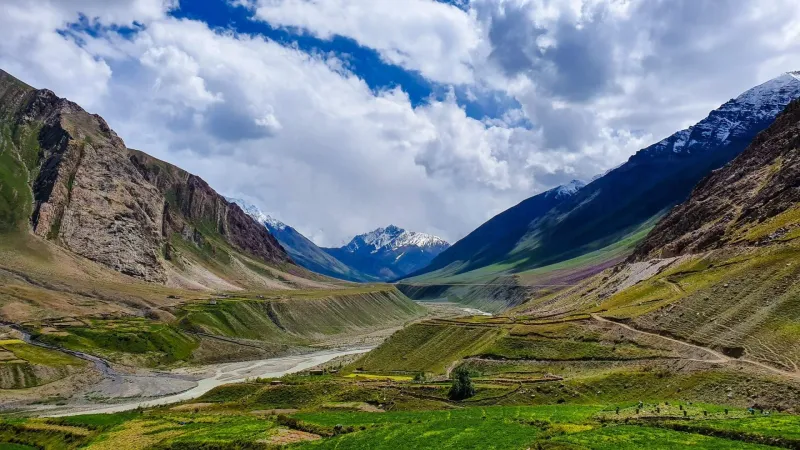
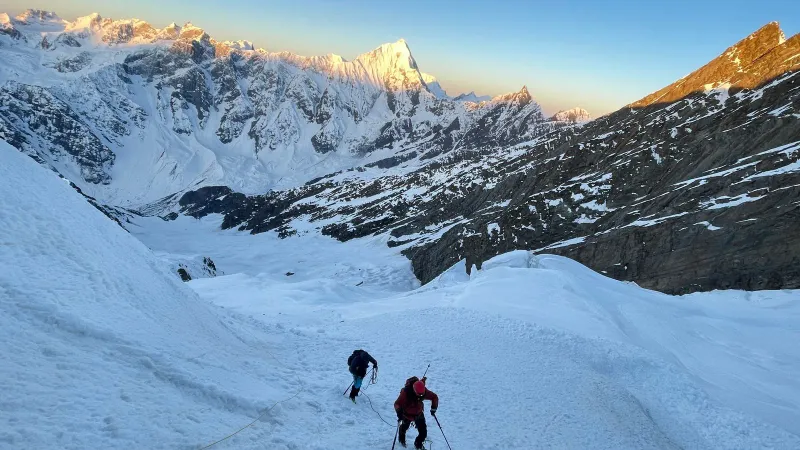
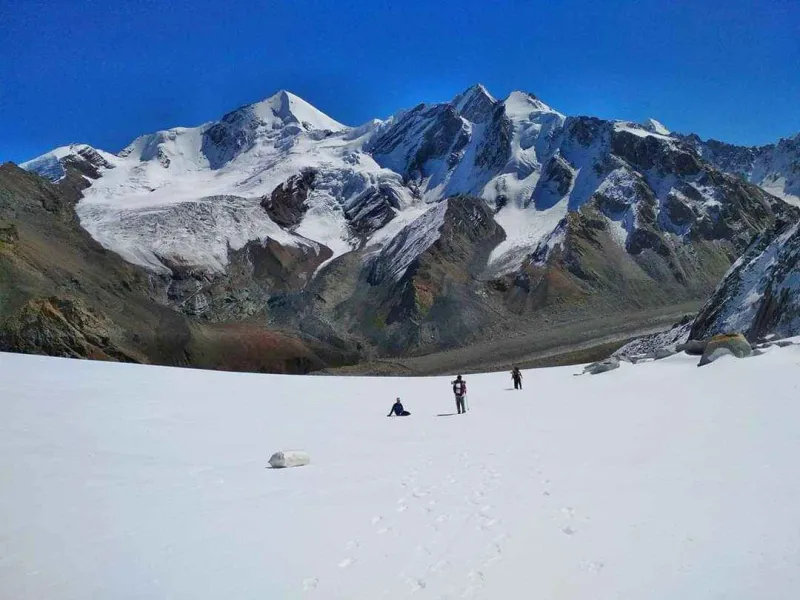
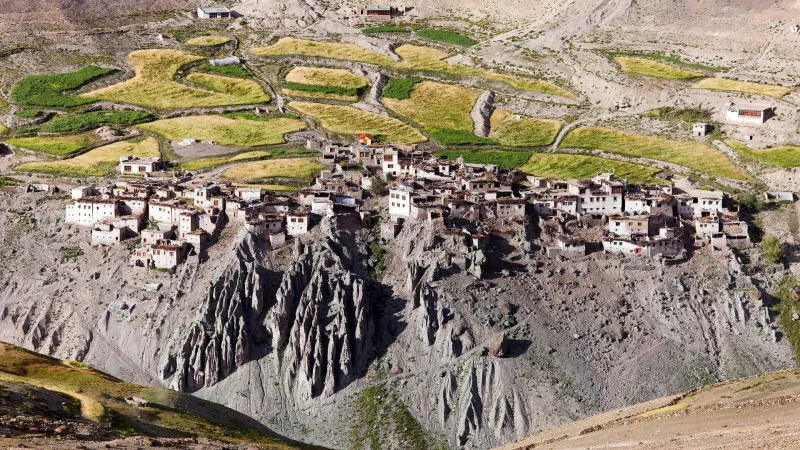
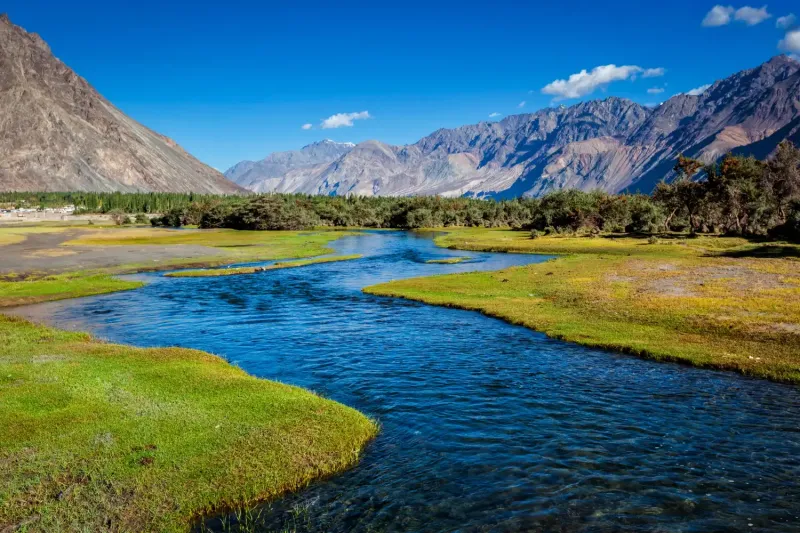
Expert Note: Crossing the next altitude threshold (e.g. 14k or 16k ft) requires stricter hydration and slower ascent rates than Bali Pass Trek.
Easier Alternatives
If Bali Pass Trek feels like a reach right now, these treks cover similar moraine terrain at a more accessible difficulty level.
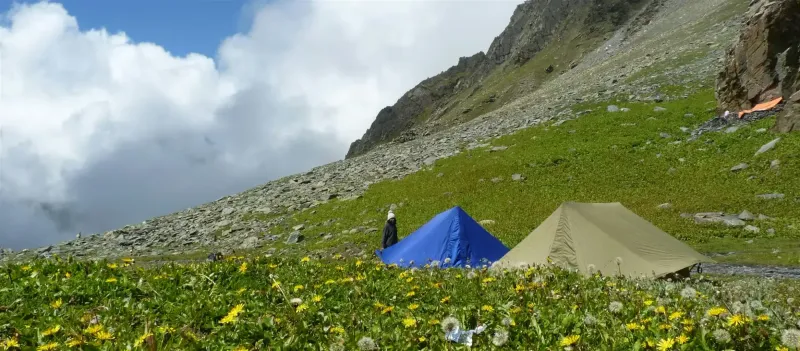
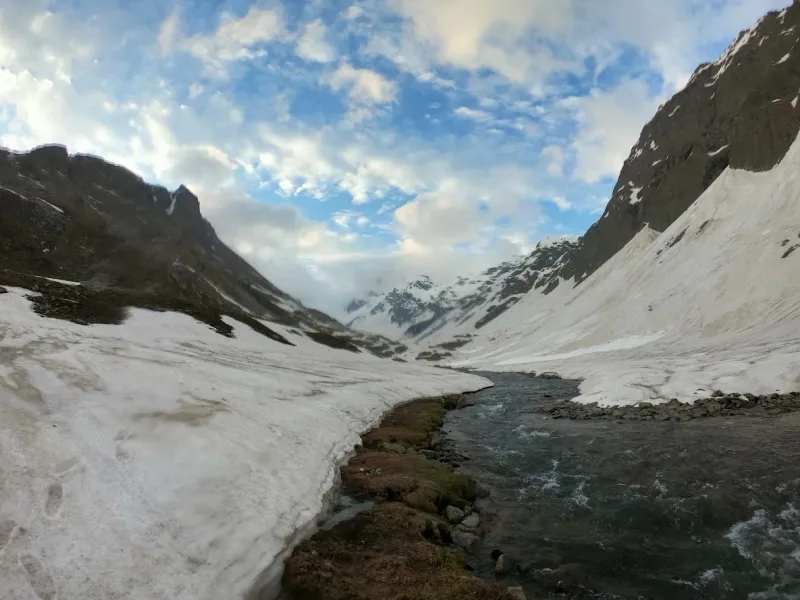
Trade-off: You trade the high-altitude intensity of Bali Pass Trek for gentler slopes and safer oxygen levels, perfect for building mountain legs.
Step Up From Here
Ready to step up from Bali Pass Trek? These treks share its Bali Pass environment but raise the challenge meaningfully.
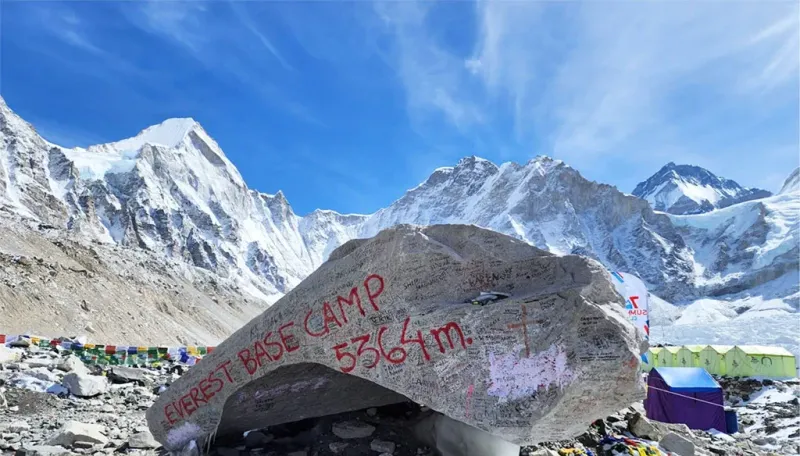
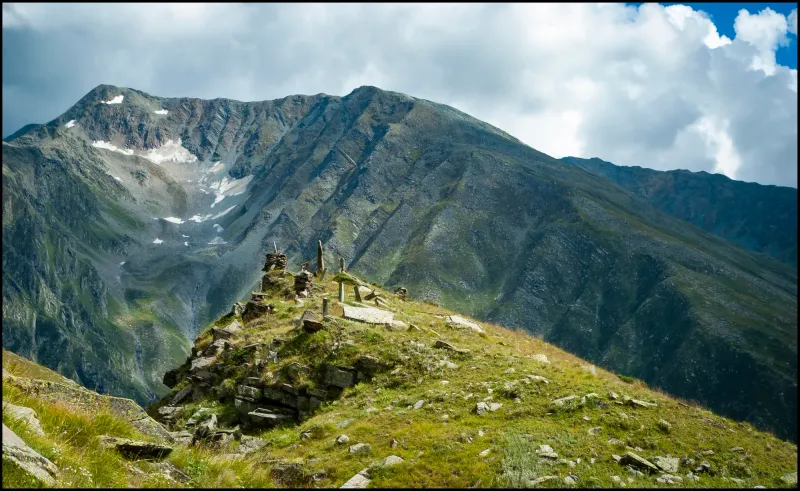
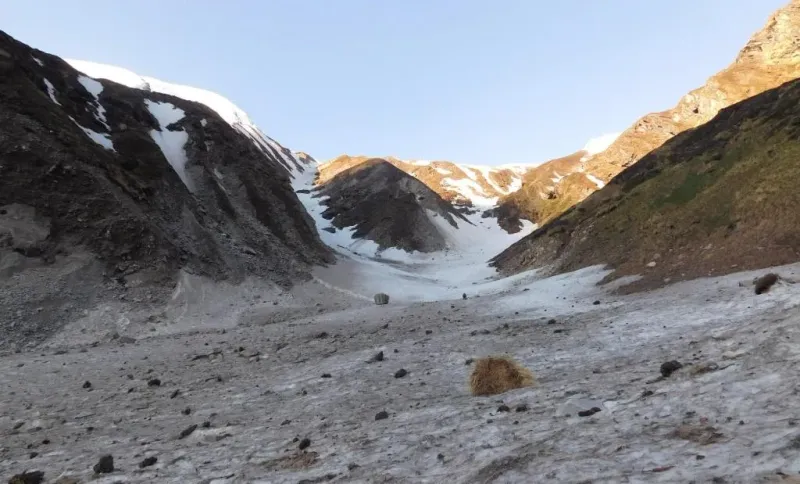
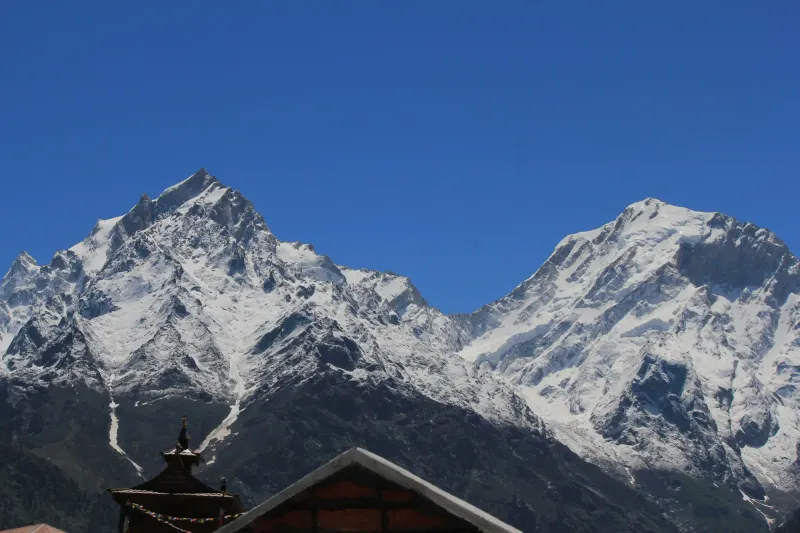
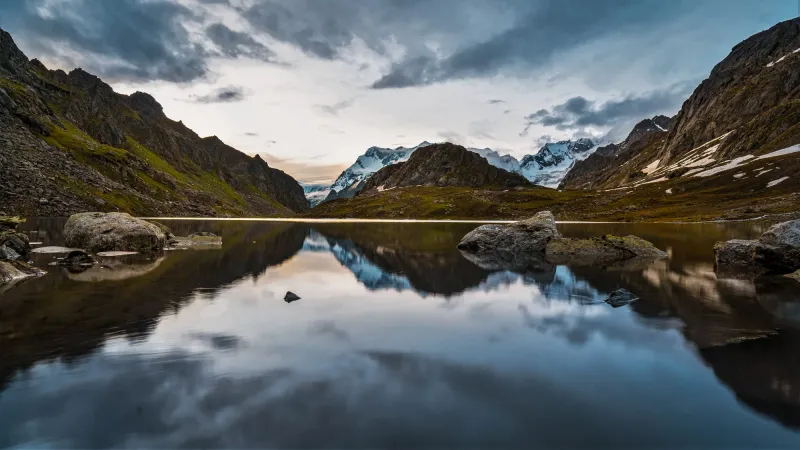
Warning: These treks are significantly more demanding. Ensure you have 4+ weeks of cardio prep before upgrading from Bali Pass Trek.
Comparison Intel
Common questions about finding the right alternative for your experience level.
What are the best alternatives to Bali Pass Trek?
The top alternatives to Bali Pass Trek are Har Ki Dun Trek, Maldaru Tal Trek, Bagini Glacier Trek — chosen based on shared terrain type, altitude profile, and seasonal overlap.
What is a good trek like Bali Pass Trek but easier?
Darati Pass Trek is a popular easier alternative to Bali Pass Trek, sharing similar terrain but at a lower difficulty level.
Which treks offer a higher altitude challenge than Bali Pass Trek?
Mud to Khamengar Glacier Trek is an excellent next-step alternative, reaching significantly higher elevations than Bali Pass Trek while maintaining a similar terrain character.
Final Decision
Still thinking about Bali Pass Trek?
Compare verified operators for your preferred dates, view actual photos, and check safety credentials.
Compare Bali Pass Trek operators