
Explore
Intelligence
Essential Planning Guide
Satopanth Bhagirath Kharak Traverse Expedition — Complete Guide (2026)
Vibe & Scenery
The Experience
Introduction
Beginning from Badrinath, the Satopanth–Bhagirath Kharak Traverse ventures deep into one of Garhwal's wildest glacial environments. Beyond the pilgrimage routes, the expedition follows the upper Alaknanda valley through Alkapuri before entering the immense glacier systems surrounding Bhagirath Kharak and Satopanth Tal.
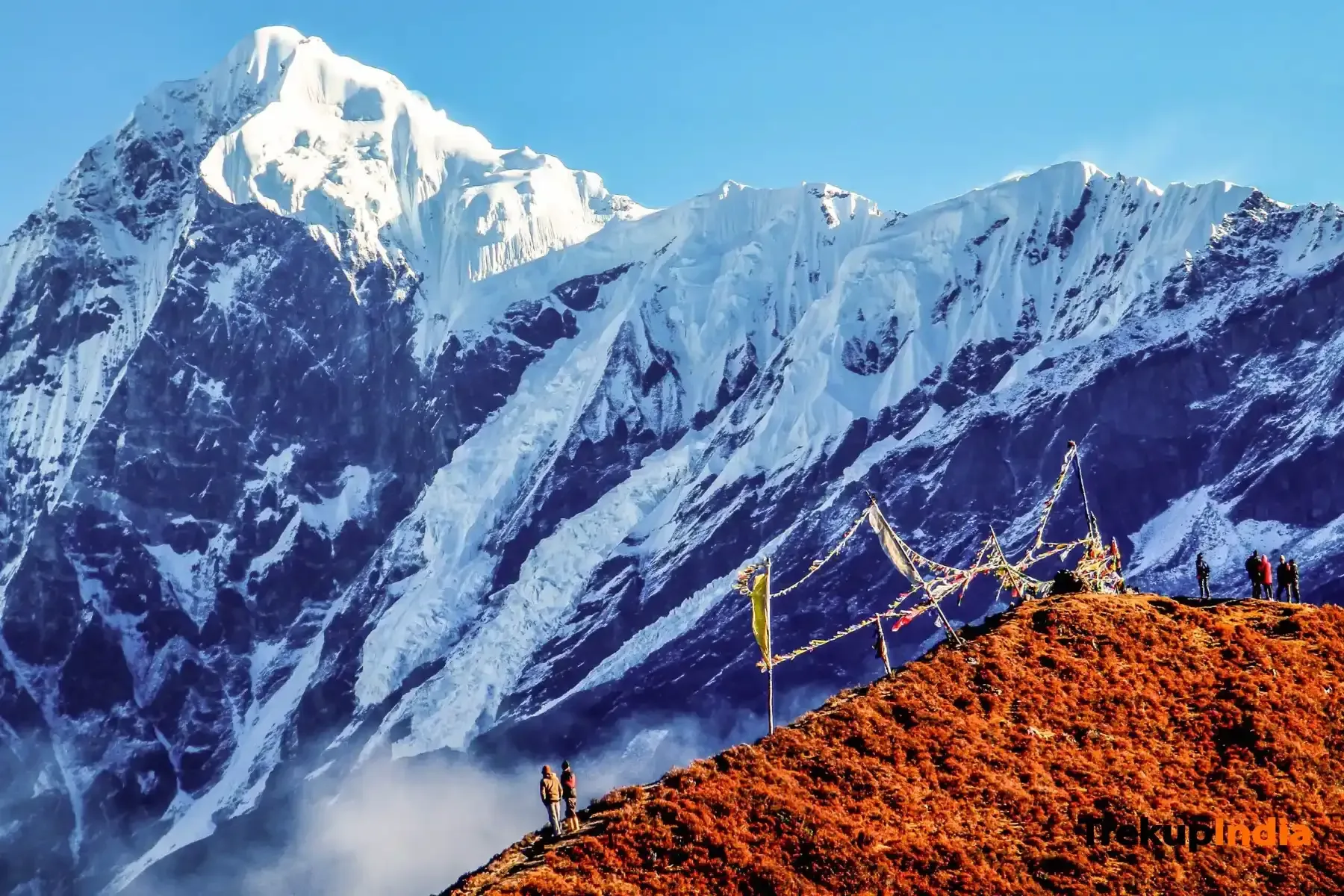
The journey crosses unstable moraines, glacier tongues, snowfields, and rugged alpine terrain beneath the towering walls of Chaukhamba, Nilkanth, and Balakun. Satopanth Tal, a sacred triangular glacial lake, forms the spiritual centerpiece of the expedition while the surrounding glaciers provide its greatest technical challenge.
Suitable only for experienced expedition teams, this traverse combines remote wilderness, demanding glacier travel, and one of the Himalayas' most spiritually significant high-altitude landscapes.
Quick Facts
Duration
Max Altitude
Difficulty
Best Time
Trek Distance
Trail Atmosphere
Scent Profile
Vertigo Factor
4 / 10
Iconic Spots
Satopanth Tal
Neelkanth Ridge
Environment
Nature & Culture
Flora & Fauna
Flora
Fauna
The ''Swargarohini'' massif nearby is believed to be the only peak where a mortal (Yudhisthira) could enter heaven without dying.
— Local folklore
Spiritual & Cultural Significance
🕐 Shrine Timings: Sunrise to Sunset
Temple Protocols
- •Modest clothing
- •No leather on many trail sections
- •Ask before filming Sadhus
Technical Details
Challenge & Preparation
Primarily a cardio demand challenge
A capable trekker's route that balances cardio demand and terrain ruggedness.
Personal Readiness
Am I ready?
Planning
Logistics & Trail Intel
Getting There
Route to Base
Drive from Rishikesh (300 km) via Joshimath
Base Village
Badrinath / Mana
10,300 ft
Nearest Railhead
Dehradun (DDN) / Haridwar (HW)
Nearest Airport
Jolly Grant Airport, Dehradun (DED)
Last ATM
Badrinath (multiple ATMs). Cash is king beyond Mana.
Nearest Medical Facility
Government Hospital Badrinath / Army Hospital Joshimath.
Mobile Signal
Jio and Airtel till Badrinath, BSNL limited till Mana Village
Water Sources
Alkapuri Glacier Stream, Filtered glacier melt at camps, Satopanth Lake (Ritual use only)
Charging
Last point at Badrinath. No electricity on the trail.
For Drivers
Trail Culinary & Diet
The Content & Remote Hub
No DronesVideo Calls
none
UPI Reliability
1/10
Permits and Regulations
Forest Permit is mandatory from the DFO office in Joshimath. Every trekker must have a medical fitness certificate. Solo trekking is strictly prohibited due to the unpredictable nature of the Bhagirath Kharak glacier. Professional guides are mandatory.
Learn more about how we vet operators and ensure transparency on our why MountRoutes page.
Packing List
Glacial Protection
- Heavy-duty mountaineering boots (B2/B3 grade recommended)
- Gaiters (essential for scree and snow)
- Microspikes (for icy moraine sections)
- Trekking poles with snow baskets
- Category 4 Glacier Goggles
Clothing
- High-altitude down jacket (-15°C rated)
- Windproof and Waterproof shell
- Thermal base layers (merino wool)
- Fleece mid-layers
- Insulated gloves and Balaclava
Deep Dives
Explore Further
Editor's Notes
It is said that Sage Vyasa and King Yudhisthira walked this exact moraine. The silence at Satopanth is unlike any other lake in Garhwal.
Explore In Detail
Day by Day Itinerary
8-day route reaching 15,397ft. Covers 53km of varied terrain.
→ See full itinerary with altitude profileDifficulty & Fitness
Rated moderate. Brittle, unstable glacial moraine. Crossing the debris of the Bhagirath Kharak glacier requires excellent balance and constant alertness for rockfall.
→ See difficulty breakdown and fitness guideCost & Pricing
Packages range from ₹20,000 – ₹35,000. Inclusions and hidden costs vary by operator tier.
→ See full cost breakdownFrequently Asked Questions
is the lake always triangular?
Yes, its distinct three-cornered shape is natural and remains clearly visible unless the lake is completely buried under heavy winter snow.
Can we see the Swargarohini steps?
From the lake shore, you can see the Swargarohini massif. One of its ridges looks remarkably like a set of gigantic, snow-covered stairs, giving rise to the ''Stairway to Heaven'' legend.
What is the best time to attempt the Satopanth and Bhagirath Kharak traverse?
The best time for this traverse is between mid-May to June and September to early October. The pre-monsoon period offers good snow bridges over crevasses, while the post-monsoon period provides stable weather and clearer skies.
How difficult is the Satopanth Bhagirath Kharak traverse?
This traverse is graded as extremely difficult and is considered a demanding mountaineering expedition. It involves continuous glacier walking, navigating complex moraines, crossing icy streams, and dealing with significant objective hazards like rockfalls and crevasses.
Do I need technical mountaineering skills for this traverse?
Yes, high-level mountaineering skills are required. You must be proficient in glacier travel, rope up procedures, crevasse rescue, and using ice axes and crampons on steep, icy slopes.
What permits are required for the Satopanth Bhagirath Kharak expedition?
You need permission from the Gangotri National Park authorities and the forest department. Since this is a high-altitude expedition involving glaciers, permits must be processed well in advance through a registered agency.
How many days are required to complete this expedition?
The traverse generally requires 12 to 14 days from the roadhead at Gangotri. This duration accounts for proper acclimatization, buffer days for bad weather, and the slow pace of navigating treacherous glacial terrain.
What are the major risks involved in this glacier traverse?
The major risks include hidden crevasses, unpredictable weather, massive rockfalls on the moraines, altitude sickness, and the physical exhaustion of long days on technically challenging ice and rock.
Can this expedition be done without a local guide?
No, traversing the Satopanth and Bhagirath Kharak glaciers without a highly experienced local mountaineering guide is extremely dangerous. The route changes constantly due to shifting ice, making expert local knowledge critical for survival.
What kind of physical fitness is required for this expedition?
Peak physical fitness is mandatory. Participants must have immense endurance, strong cardiovascular health, and the ability to carry heavy loads (15+ kg) over difficult terrain for 7-9 hours a day at altitudes above 4,500m.
Still deciding?
Compare routes side-by-side to find the perfect match for your fitness, dates, and budget.
Everything you need to know, in one place. Someone else in your group needs to see this.
Planning Satopanth Bhagirath Kharak Traverse Expedition?
Get route conditions, operator updates, and season windows before booking.
Don't miss out! Follow us for route updates@mountroutes|LinkedIn
No spam. Only useful trek updates.
Ready to walk this route?
You’ve read the guide, now find the perfect local team to take you there. Compare our verified list of operators.
Compare verified operators