
Explore
Intelligence
Compare operators for
Kedarkantha Trek
Compare operators for Kedarkantha Trek
Verified local operators
All listed operators are vetted through our trusted Himalayan network, ensuring baseline safety and ethical standards.
MountRoutes Insights
The Crazy Mountaineers
Highest combination of safety standards, verified profile, and route quality.
The Crazy Mountaineers
Lowest price among currently listed operators for this route.
Parvat Exploration
Highest safety score based on medical support and emergency readiness.
The Crazy Mountaineers
More personalized group experience (Max 10 trekkers).
Showing 3 of 3 operators

GROUP
Max 10
STAY
—
GUIDE
1 : 8
⏱ Updated Apr 2026
₹7,000
Parvat Exploration
Est. 2019 · Private batches
From
₹10,000
all inclusive (excl. transport)
Duration
6 Days

GROUP
Max 15
STAY
—
GUIDE
1 : 8
⏱ Updated Apr 2026
₹10,000

GROUP
—
STAY
—
GUIDE
1 : 8
⏱ Updated Apr 2026
₹7,200
Found the right operator? Share this list with whoever's coming with you.
Better Prep.
Safer Expeditions.
Free professional-grade tools to audit your altitude safety and generate personalized gear checklists.
About Kedarkantha Trek
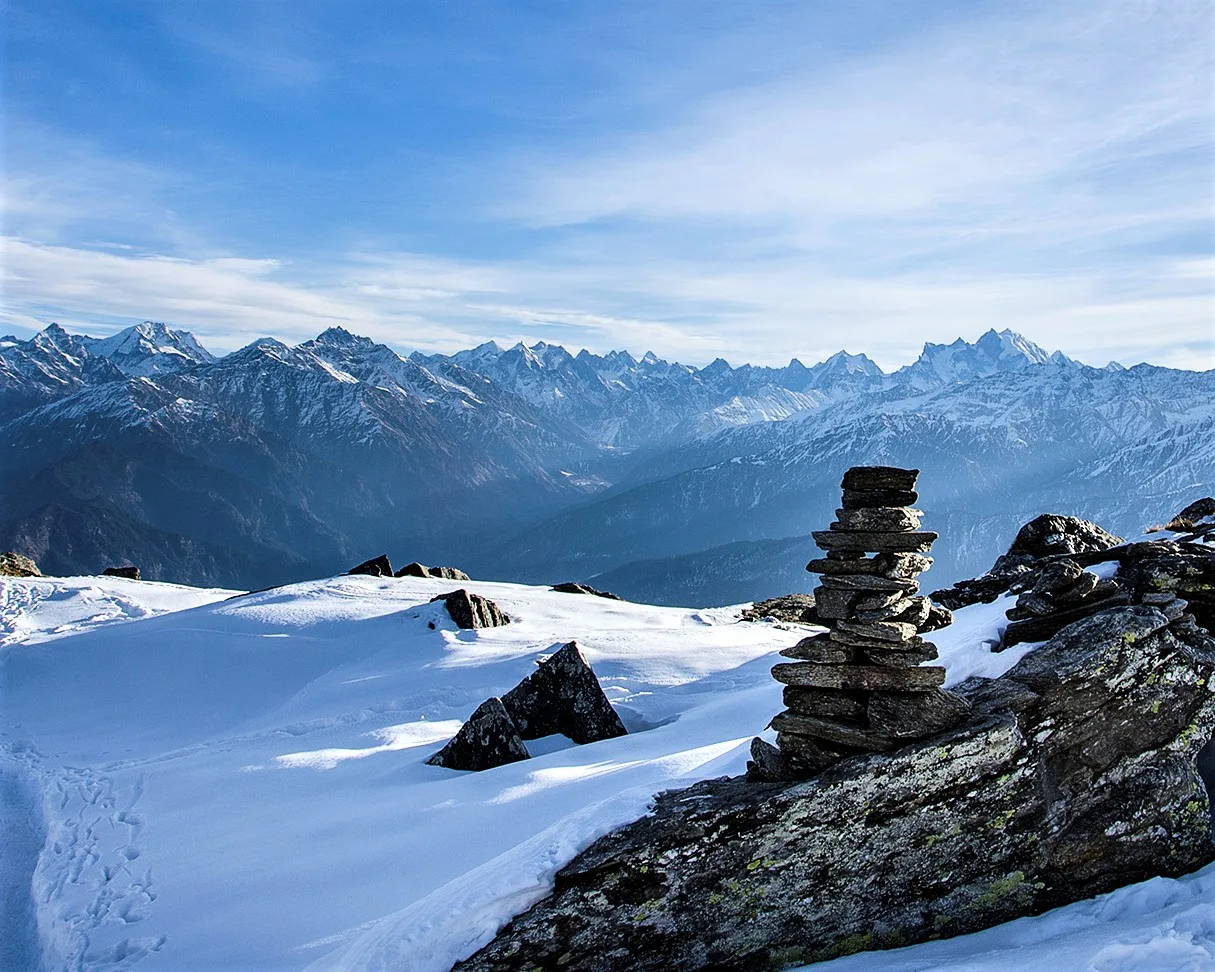
The Kedarkantha Trek is one of India's most popular beginner-friendly summit treks, located in the Govind Wildlife Sanctuary of Uttarakhand. Reaching approximately 12,500 ft, the route is renowned for winter snow, forest camps, alpine meadows, and panoramic summit views of the Garhwal Himalayas.
Trek Highlights
Sankri Village Architecture
Traditional wooden houses and pine-covered ridges.
Juda Ka Talab
Frozen lake amphitheater in the heart of the forest.
Swargarohini Massif
Visible from the trail; the iconic stairway to heaven peaks.
Common Questions
Is it the same as Kedarnath?
Is Kedarkantha suitable for first-time trekkers?
What is the best month to do Kedarkantha for snow?
Can I rent gear at the Sankri base camp?
What is the legend of Juda Ka Talab?
Is there any electricity or ATM in Sankri?
What happens if a trekker gets altitude sickness?
Is solo trekking permitted?
Which operator is best for Kedarkantha?
What is included in the trek cost?
Why do prices differ?
Is it the same as Kedarnath?
Is Kedarkantha suitable for first-time trekkers?
What is the best month to do Kedarkantha for snow?
Can I rent gear at the Sankri base camp?
What is the legend of Juda Ka Talab?
Is there any electricity or ATM in Sankri?
What happens if a trekker gets altitude sickness?
Is solo trekking permitted?
Which operator is best for Kedarkantha?
What is included in the trek cost?
Why do prices differ?
Are you a local operator?
Join our platform to list your verified packages for this trek.
Planning Kedarkantha Trek?
Get route conditions, operator updates, and season windows before booking.
Don't miss out! Follow us for route updates@mountroutes|LinkedIn
No spam. Only useful trek updates.
Explore Collections