Compare operators for Satopanth Bhagirath Kharak Traverse Expedition
8 Days15,397ft maxUttarakhandModerate
No operators listed yet
Interested in this expedition?
We are currently vetting local partners for Satopanth Bhagirath Kharak Traverse Expedition to ensure the highest safety standards. Be the first to know when it's open for booking.
Are you a local operator?
Join our platform to list your verified packages for Satopanth Bhagirath Kharak Traverse Expedition and reach thousands of climbers directly.
About Satopanth Bhagirath Kharak Traverse Expedition
8 Days
15,397 FT
Moderate
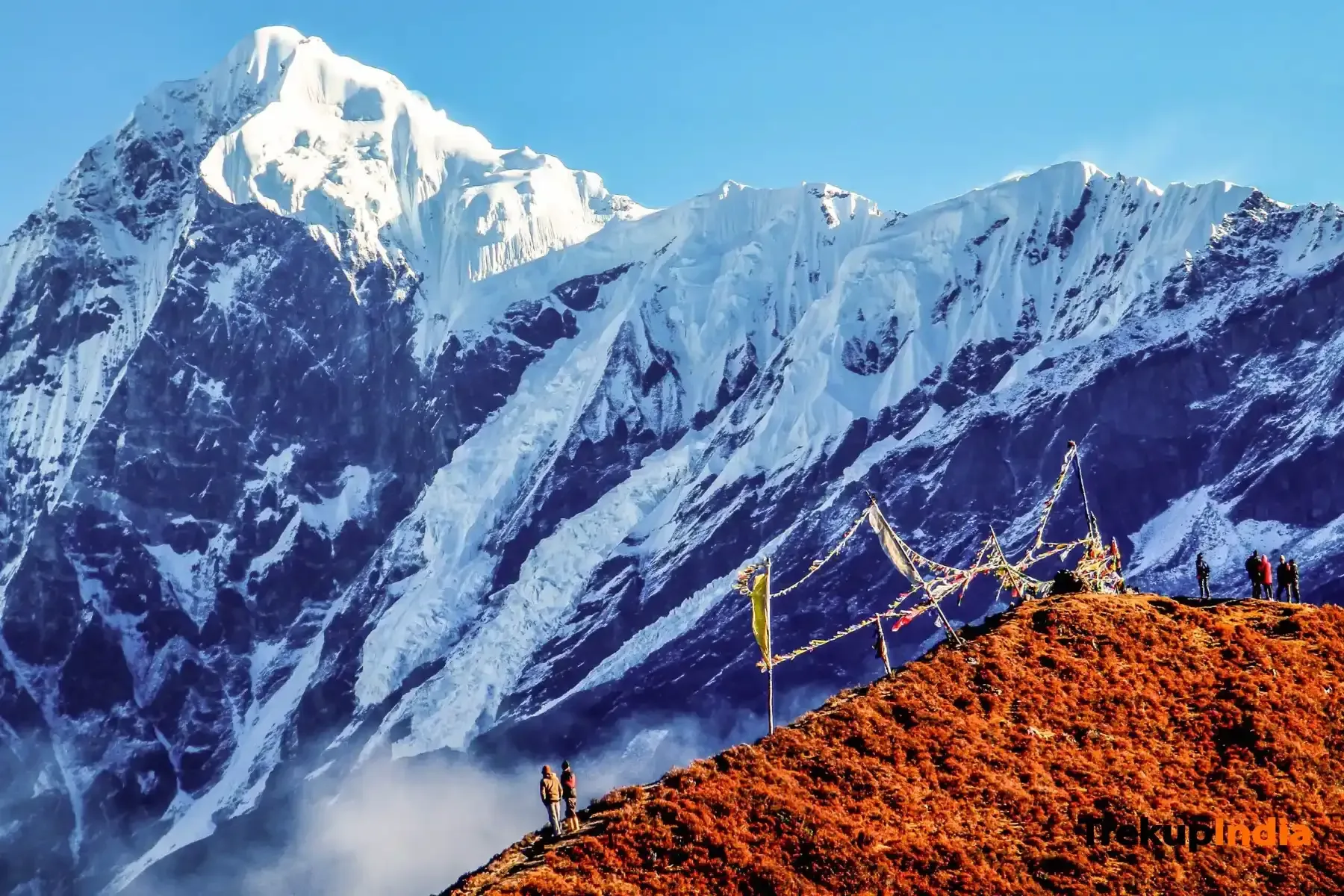
The Satopanth–Bhagirath Kharak Traverse is a remote glacier expedition through the upper Alaknanda basin, combining sacred landscapes with demanding alpine terrain beneath the Chaukhamba massif.
Expedition Highlights
Satopanth Tal
The crystal clear triangular lake with the shadow of Chaukhamba falling across it.
Neelkanth Ridge
Up-close view of the ''Queen of Garhwal'' from the Chakratirth camp.
Yes, its distinct three-cornered shape is natural and remains clearly visible unless the lake is completely buried under heavy winter snow.
Can we see the Swargarohini steps?
From the lake shore, you can see the Swargarohini massif. One of its ridges looks remarkably like a set of gigantic, snow-covered stairs, giving rise to the ''Stairway to Heaven'' legend.
What is the best time to attempt the Satopanth and Bhagirath Kharak traverse?
The best time for this traverse is between mid-May to June and September to early October. The pre-monsoon period offers good snow bridges over crevasses, while the post-monsoon period provides stable weather and clearer skies.
How difficult is the Satopanth Bhagirath Kharak traverse?
This traverse is graded as extremely difficult and is considered a demanding mountaineering expedition. It involves continuous glacier walking, navigating complex moraines, crossing icy streams, and dealing with significant objective hazards like rockfalls and crevasses.
Do I need technical mountaineering skills for this traverse?
Yes, high-level mountaineering skills are required. You must be proficient in glacier travel, rope up procedures, crevasse rescue, and using ice axes and crampons on steep, icy slopes.
What permits are required for the Satopanth Bhagirath Kharak expedition?
You need permission from the Gangotri National Park authorities and the forest department. Since this is a high-altitude expedition involving glaciers, permits must be processed well in advance through a registered agency.
How many days are required to complete this expedition?
The traverse generally requires 12 to 14 days from the roadhead at Gangotri. This duration accounts for proper acclimatization, buffer days for bad weather, and the slow pace of navigating treacherous glacial terrain.
What are the major risks involved in this glacier traverse?
The major risks include hidden crevasses, unpredictable weather, massive rockfalls on the moraines, altitude sickness, and the physical exhaustion of long days on technically challenging ice and rock.
Can this expedition be done without a local guide?
No, traversing the Satopanth and Bhagirath Kharak glaciers without a highly experienced local mountaineering guide is extremely dangerous. The route changes constantly due to shifting ice, making expert local knowledge critical for survival.
What kind of physical fitness is required for this expedition?
Peak physical fitness is mandatory. Participants must have immense endurance, strong cardiovascular health, and the ability to carry heavy loads (15+ kg) over difficult terrain for 7-9 hours a day at altitudes above 4,500m.
is the lake always triangular?
Yes, its distinct three-cornered shape is natural and remains clearly visible unless the lake is completely buried under heavy winter snow.
Can we see the Swargarohini steps?
From the lake shore, you can see the Swargarohini massif. One of its ridges looks remarkably like a set of gigantic, snow-covered stairs, giving rise to the ''Stairway to Heaven'' legend.
What is the best time to attempt the Satopanth and Bhagirath Kharak traverse?
The best time for this traverse is between mid-May to June and September to early October. The pre-monsoon period offers good snow bridges over crevasses, while the post-monsoon period provides stable weather and clearer skies.
How difficult is the Satopanth Bhagirath Kharak traverse?
This traverse is graded as extremely difficult and is considered a demanding mountaineering expedition. It involves continuous glacier walking, navigating complex moraines, crossing icy streams, and dealing with significant objective hazards like rockfalls and crevasses.
Do I need technical mountaineering skills for this traverse?
Yes, high-level mountaineering skills are required. You must be proficient in glacier travel, rope up procedures, crevasse rescue, and using ice axes and crampons on steep, icy slopes.
What permits are required for the Satopanth Bhagirath Kharak expedition?
You need permission from the Gangotri National Park authorities and the forest department. Since this is a high-altitude expedition involving glaciers, permits must be processed well in advance through a registered agency.
How many days are required to complete this expedition?
The traverse generally requires 12 to 14 days from the roadhead at Gangotri. This duration accounts for proper acclimatization, buffer days for bad weather, and the slow pace of navigating treacherous glacial terrain.
What are the major risks involved in this glacier traverse?
The major risks include hidden crevasses, unpredictable weather, massive rockfalls on the moraines, altitude sickness, and the physical exhaustion of long days on technically challenging ice and rock.
Can this expedition be done without a local guide?
No, traversing the Satopanth and Bhagirath Kharak glaciers without a highly experienced local mountaineering guide is extremely dangerous. The route changes constantly due to shifting ice, making expert local knowledge critical for survival.
What kind of physical fitness is required for this expedition?
Peak physical fitness is mandatory. Participants must have immense endurance, strong cardiovascular health, and the ability to carry heavy loads (15+ kg) over difficult terrain for 7-9 hours a day at altitudes above 4,500m.
Are you a local operator?
Join our platform to list your verified packages for this expedition.