
Explore
Intelligence
Compare operators for
Har Ki Dun Trek
Compare operators for Har Ki Dun Trek
Verified local operators
All listed operators are vetted through our trusted Himalayan network, ensuring baseline safety and ethical standards.
MountRoutes Insights
The Crazy Mountaineers
Highest combination of safety standards, verified profile, and route quality.
Showing 2 of 2 operators

GROUP
—
STAY
—
GUIDE
1 : 8
⏱ Updated Apr 2026
₹12,000

GROUP
—
STAY
—
GUIDE
1 : 8
⏱ Updated Apr 2026
₹12,000
Found the right operator? Share this list with whoever's coming with you.
Better Prep.
Safer Expeditions.
Free professional-grade tools to audit your altitude safety and generate personalized gear checklists.
About Har Ki Dun Trek
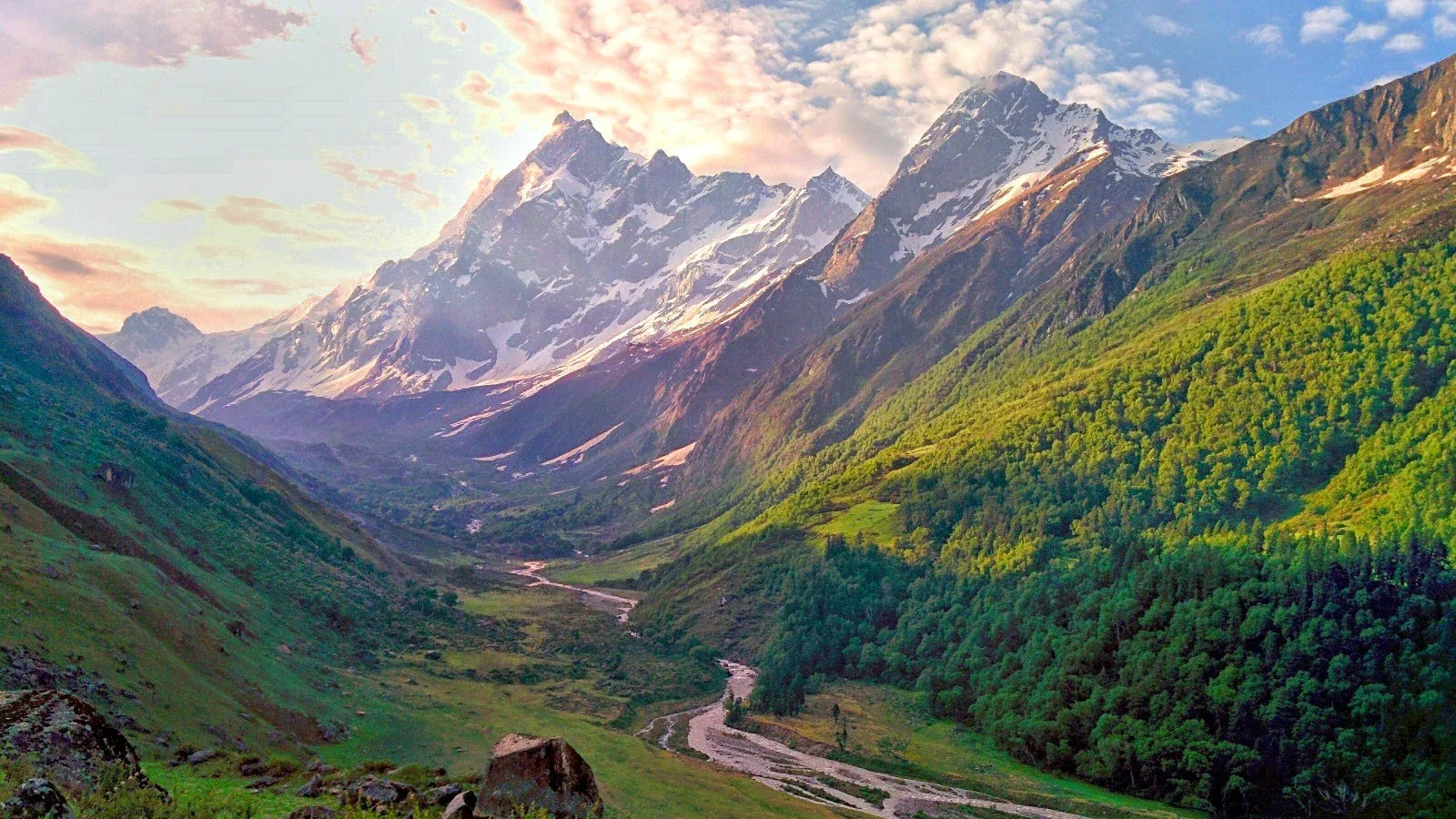
The Har Ki Dun Trek is one of the Himalayas' finest cultural and valley expeditions, following ancient trails through the Govind Pashu Vihar National Park to the legendary Valley of Gods. Combining traditional Himalayan villages, forests, alpine meadows, and spectacular mountain scenery, it is ideal for trekkers seeking both nature and heritage.
Trek Highlights
Supin River Bend
Classic glacial river valley view with ancient wooden structures in the distance.
Swargarohini Massif
Towering snow peaks that are said to be the path to heaven taken by the Pandavas.
Osla Village Architecture
Centuries-old wooden houses with intricate carvings representing Garhwali heritage.
Common Questions
Why is Har Ki Dun called the Valley of Gods?
Can we see the Swargarohini glacier?
Is it a good trek for children?
Who is Someshwar Devta?
Is there mobile signal in Sankri?
Are there any ATMs near the base?
What wildlife can we spot?
Is it possible to do Har Ki Dun in January?
Why is Har Ki Dun called the Valley of Gods?
Can we see the Swargarohini glacier?
Is it a good trek for children?
Who is Someshwar Devta?
Is there mobile signal in Sankri?
Are there any ATMs near the base?
What wildlife can we spot?
Is it possible to do Har Ki Dun in January?
Are you a local operator?
Join our platform to list your verified packages for this trek.
Planning Har Ki Dun Trek?
Get route conditions, operator updates, and season windows before booking.
Don't miss out! Follow us for route updates@mountroutes|LinkedIn
No spam. Only useful trek updates.
Explore Collections