
Explore
Intelligence
Difficulty & Readiness Guide
Is Chitkul Valley Trail Trek Difficult? — Fitness & Altitude Guide
An easy-to-moderate valley trail; the primarily flat riverside walk is suitable for beginners, while the ridge exploration offers a gentle challenge for panoramic views.
The Question
Can I do this trek?
Preparation Required
Intermediate
Prior Experience
Recommended: 1-2 easy Himalayan treks or regular hiking experience.
Expert Verdict
Highly technical trek requiring physical and mental preparation.
Route Knowledge
Why is it difficult?
Exertion Index
Primary Challenge
Route Identity
Fast-paced or high-mileage route demanding excellent cardiovascular fitness across a trek featuring loose moraine.
Primary Drivers
- Maximum sleeping altitude of 12,500 ft
View Full Route Analysis
Physiological Demand
Challenging daily distances and steady climbs. Good cardiovascular fitness is required.
Well-defined, stable trails with no technical maneuvers required.
Below the major effects of altitude sickness. Air remains relatively dense.
Comfortable pacing with good recovery options.
Terrain Breakdown
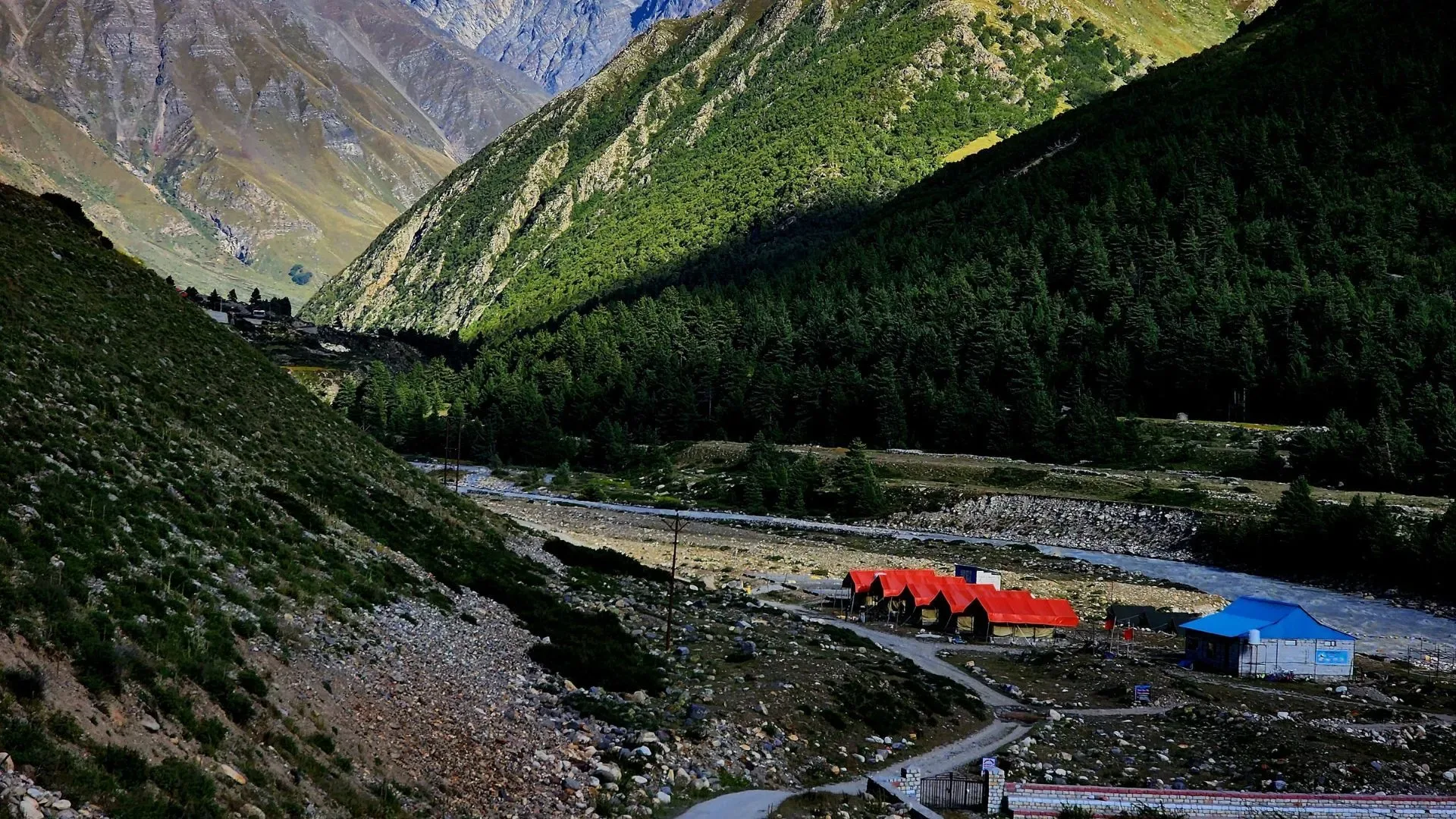
Mostly well-defined dirt paths and riverbed boulders. Gentle gradients make it accessible for most ages.
Summit Day Notes
The ridge hike is the most demanding part, involving narrow shepherd paths and some loose soil.
Altitude Profile
Chitkul village sits at ~3,450m (11,320 ft). Local hikes like Flag Peak reach ~3,700m-3,800m. It also serves as a base for high-altitude crossover treks like Borasu or Charang Pass.
Run AMS Risk Audit →Trail Performance Data
Max Gradient
25%
Hydration
0.3L per km recommended
Loose Surface Sections
- •Upper ridge scramble
Personal Readiness
Am I ready?
What this route demands
People who feel comfortable on this route can usually:
Who Can Do This Trek?
Min Age
8+
Max Age
65
Western Toilets at Base
Yes
Solo Female Travelers
Extremely safe; well-developed tourism infrastructure and peaceful community.
Hazard Profile
What goes wrong?
Common Mistakes on Chitkul Valley Trail
Most injuries and failures on this trail can be avoided by making smarter decisions early on.
Underestimating the sudden and drastic temperature drop immediately after sunset.
Wandering off-trail too close to the sensitive ITBP restricted border areas.
Safety & Medical Risks
Key Risks
Cold exposure at night
AMS if not acclimatized in Sangla
River currents
AMS (Altitude Sickness)
At 11,300 ft, even light activity can cause shortness of breath for newcomers.
Evacuation Route
Road access is available directly from the village for emergencies.
Solo Trekking
Solo travel, including for women, is widely considered safe due to heavy ITBP presence and friendly locals. However, avoid venturing into unmarked remote trails alone, and do not trek after dark. Always inform homestay hosts of your route.
Common Trail Ailments
🏥 Nearest ICU: IGMC, Shimla
Tactical Emergency Hub
> Immediate road evacuation possible. Military helipad at Chitkul for high-priority extracts.
Auditability
How is this calculated?
Before attempting this route:
Still deciding?
Compare routes side-by-side to find the perfect match for your fitness, dates, and budget.
Still think it's doable? Share this with your trek mate and see if they agree.
Step 2: Seasonal Safety
You know how demanding this route is.
Now find the safest and most reliable season to attempt it.
Check Best Time to Go