We are currently vetting local partners for Chitkul Valley Trail to ensure the highest safety standards. Be the first to know when it's open for booking.
Are you a local operator?
Join our platform to list your verified packages for Chitkul Valley Trail and reach thousands of trekkers directly.
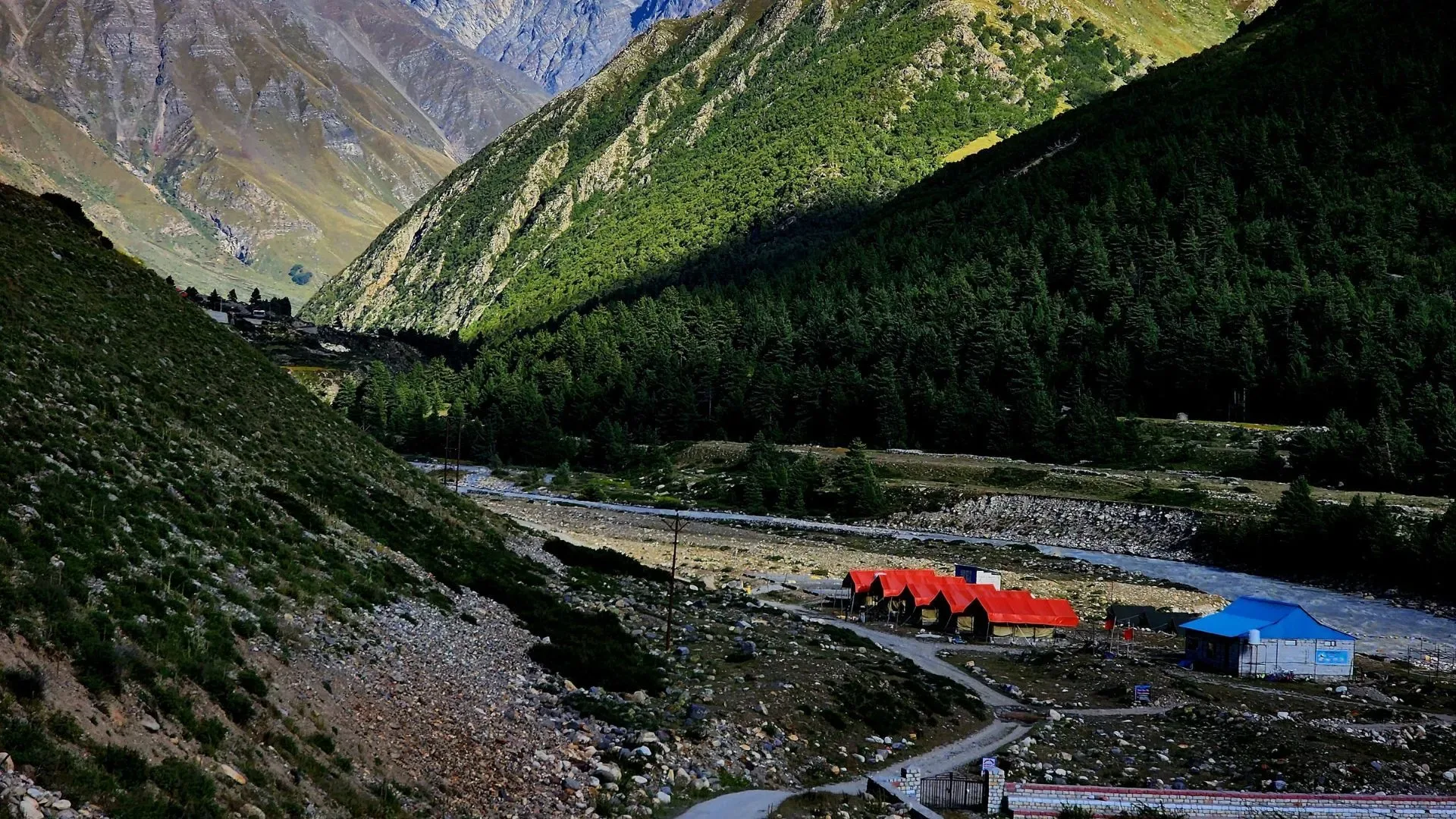
The Chitkul Valley Trail is a scenic trek through the upper Baspa Valley in Kinnaur, exploring alpine meadows, traditional villages, and the upper reaches of the Baspa River. Beginning from Chitkul—the last permanently inhabited village on the Indo-Tibetan road—the route offers an accessible introduction to the landscapes and culture of the eastern Himalayas.
Trek Highlights
Mathi Devi Temple
Exquisite 500-year-old wood carving and architecture.
The Last Post
The symbolic end of the Indian road with the ITBP flag fluttering against the Tibet peaks.
No. Civilians are allowed up to the Nagasti ITBP checkpost (approx. 3km from Chitkul). Beyond that, the trail is restricted for military use only. Any attempt to proceed beyond Nagasti without special military permits is strictly prohibited.
Is there snow in Chitkul in summer?
While the village and trail are usually clear from May to October, the surrounding peaks remain snow-capped year-round, offering spectacular vistas.
What is the best time to visit Chitkul Valley?
The best time to visit Chitkul is from April to June and September to October. During these months, the weather is pleasant, and the valley is accessible. Winter visits are possible but roads may be blocked due to heavy snowfall.
Is Chitkul the last village of India?
Yes, Chitkul is famously known as the last inhabited village on the old Indo-Tibetan trade route. It is the final point in India where civilians can travel without an Inner Line Permit on this specific route.
How difficult is the trekking around Chitkul Valley?
The walking trails around Chitkul, including walks along the Baspa River, are generally easy and mostly flat. They are perfect for beginners, families, and anyone looking to enjoy leisurely nature walks amidst towering Himalayan peaks.
How do I reach Chitkul from Delhi?
From Delhi, you can take a bus to Shimla or Rampur, and then another local bus or taxi to Sangla. Chitkul is about 28 km from Sangla. The total journey by road from Delhi takes around 14 to 16 hours.
What are the accommodation options in Chitkul?
Chitkul has several homestays, small guesthouses, and a few boutique hotels. Homestays are the most popular option, offering a cozy, authentic experience with local Kinnauri food and hospitality.
Do I need an Inner Line Permit for Chitkul?
No, Indian nationals do not need an Inner Line Permit to visit Chitkul village. The permit is only required if you plan to trek beyond the ITBP checkpost towards sensitive border areas or cross into the Spiti Valley via certain high passes.
What is the weather like in Chitkul during winter?
Winter in Chitkul (December to March) is extremely harsh with heavy snowfall. Temperatures can plummet to -15°C or lower. The village is often covered in deep snow, and the road from Sangla to Chitkul can sometimes get completely blocked.
Are ATMs and mobile networks available in Chitkul?
There are no ATMs in Chitkul, so carry sufficient cash from Sangla or Reckong Peo. Mobile network connectivity is very poor; only BSNL and sometimes Jio work erratically. It is best to treat Chitkul as a digital detox destination.
Can we walk all the way to the Tibet border?
No. Civilians are allowed up to the Nagasti ITBP checkpost (approx. 3km from Chitkul). Beyond that, the trail is restricted for military use only. Any attempt to proceed beyond Nagasti without special military permits is strictly prohibited.
Is there snow in Chitkul in summer?
While the village and trail are usually clear from May to October, the surrounding peaks remain snow-capped year-round, offering spectacular vistas.
What is the best time to visit Chitkul Valley?
The best time to visit Chitkul is from April to June and September to October. During these months, the weather is pleasant, and the valley is accessible. Winter visits are possible but roads may be blocked due to heavy snowfall.
Is Chitkul the last village of India?
Yes, Chitkul is famously known as the last inhabited village on the old Indo-Tibetan trade route. It is the final point in India where civilians can travel without an Inner Line Permit on this specific route.
How difficult is the trekking around Chitkul Valley?
The walking trails around Chitkul, including walks along the Baspa River, are generally easy and mostly flat. They are perfect for beginners, families, and anyone looking to enjoy leisurely nature walks amidst towering Himalayan peaks.
How do I reach Chitkul from Delhi?
From Delhi, you can take a bus to Shimla or Rampur, and then another local bus or taxi to Sangla. Chitkul is about 28 km from Sangla. The total journey by road from Delhi takes around 14 to 16 hours.
What are the accommodation options in Chitkul?
Chitkul has several homestays, small guesthouses, and a few boutique hotels. Homestays are the most popular option, offering a cozy, authentic experience with local Kinnauri food and hospitality.
Do I need an Inner Line Permit for Chitkul?
No, Indian nationals do not need an Inner Line Permit to visit Chitkul village. The permit is only required if you plan to trek beyond the ITBP checkpost towards sensitive border areas or cross into the Spiti Valley via certain high passes.
What is the weather like in Chitkul during winter?
Winter in Chitkul (December to March) is extremely harsh with heavy snowfall. Temperatures can plummet to -15°C or lower. The village is often covered in deep snow, and the road from Sangla to Chitkul can sometimes get completely blocked.
Are ATMs and mobile networks available in Chitkul?
There are no ATMs in Chitkul, so carry sufficient cash from Sangla or Reckong Peo. Mobile network connectivity is very poor; only BSNL and sometimes Jio work erratically. It is best to treat Chitkul as a digital detox destination.
Are you a local operator?
Join our platform to list your verified packages for this trek.