
Explore
Intelligence
Season & Weather Guide
Best Time for Burfu–Martoli Heritage Hike Trek — Month-by-Month Guide
Ideal trail conditions occur during the peak months of October, May, June. This window offers maximum peak clarity, comfortable daytime walking temperatures, and exceptionally stable weather patterns, bypassing monsoonal landslide zones.
Seasonal Verdict
When should you go?
A breathtaking heritage trek through the remote Johar Valley in Kumaon, following the ancient Indo-Tibet trade route. This trail offers up-close views of the Nanda Devi East peak. It is strictly a summer and autumn route, as the monsoon destroys the approach roads and winter forces the villagers to abandon the valley entirely.
Season at a Glance
Editor's Notes
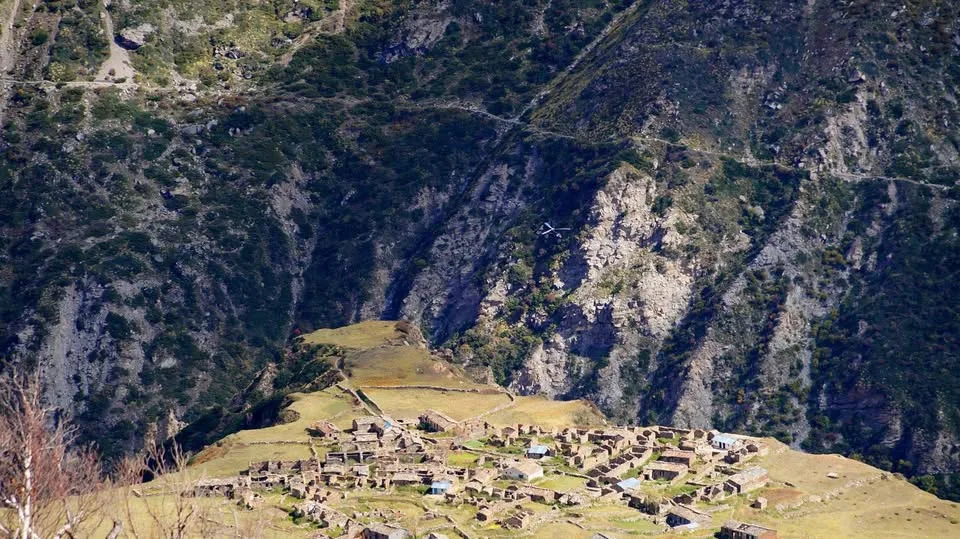
In late September and early October, the Martoli plateau takes on a specific visual texture: the flat rooftops of the Himals are covered in thin layers of harvested buckwheat and barley spread to dry in the high-altitude sun, and the Shauka women tend the drying grain throughout the day, periodically turning and spreading it. The composition of grain-covered dark-stone rooftops, the ring of snowpeaks, and the working women creates a visual density that has no equivalent in the Himalayan trekking canon. Bring a telephoto lens for compression shots from the ridge.
Month by Month
What each month looks like
January
Conditions
Deep winter. The valley is abandoned and buried under snow.
Crowds
none
Inaccessible due to deep snow and abandoned villages.
Closed. Extreme winter conditions.
February
Conditions
Deep winter. The valley is abandoned and buried under snow.
Crowds
none
Inaccessible due to deep snow and abandoned villages.
Closed. Extreme winter conditions.
March
Conditions
Trail and approach roads are still snowbound. BRO clearing begins.
Crowds
none
High avalanche danger and uncleared roads.
Early season. Deep snow accumulations.
April
Conditions
Villagers begin migrating back, but the upper reaches near Martoli are often still under heavy snow.
Crowds
low
Deep unstable snow and uncleared roads.
Early season. Deep snow accumulations.
May
Peak SeasonConditions
The valley opens up. Weather is pleasant and the views of Nanda Devi are excellent.
Crowds
medium
Prime pre-monsoon window. Good snow stability.
June
Peak SeasonConditions
Peak summer. The valley is lush and fully accessible. A great time for exploration.
Crowds
high
Prime pre-monsoon window. Good snow stability.
July
Conditions
Monsoon hits Kumaon. The approach road through the Milam gorge is exceptionally dangerous due to landslides.
Crowds
none
Severe landslide risk on the approach highway.
Monsoon danger. Landslides and severe rains.
August
Conditions
Peak monsoon. The gorge is often blocked for days at a time.
Crowds
none
Severe landslide risk on the approach highway.
Monsoon danger. Landslides and severe rains.
September
Peak SeasonConditions
The monsoon washes the dust away. The skies are crystal clear, offering the best views of the year.
Crowds
high
Crystal clear skies. Best visibility of the year.
October
Peak SeasonConditions
Autumn quiet. The meadows turn golden brown. Very cold nights.
Crowds
medium
Crystal clear skies. Best visibility of the year.
November
Conditions
Winter starts setting in fast. Villagers begin their winter migration down to Munsiyari.
Crowds
none
Extreme wind chill and village closure.
Winter setting in. Sub-zero temperatures rapid.
December
Conditions
The route is fully closed and abandoned for the winter.
Crowds
none
Inaccessible due to deep snow and abandoned villages.
Closed. Extreme winter conditions.
Plan Your Trek:
Still deciding?
Compare routes side-by-side to find the perfect match for your fitness, dates, and budget.
Timing makes or breaks a trek. Send this to your group before you decide.
Step 3: Route Intelligence
You've chosen a season.
Now see exactly how the route unfolds day by day, including terrain types and daily altitude profiles.
Explore the Itinerary