
Explore
Intelligence
Deo Tibba Peak vs UT Kangri Peak
Which summit should you attempt next?
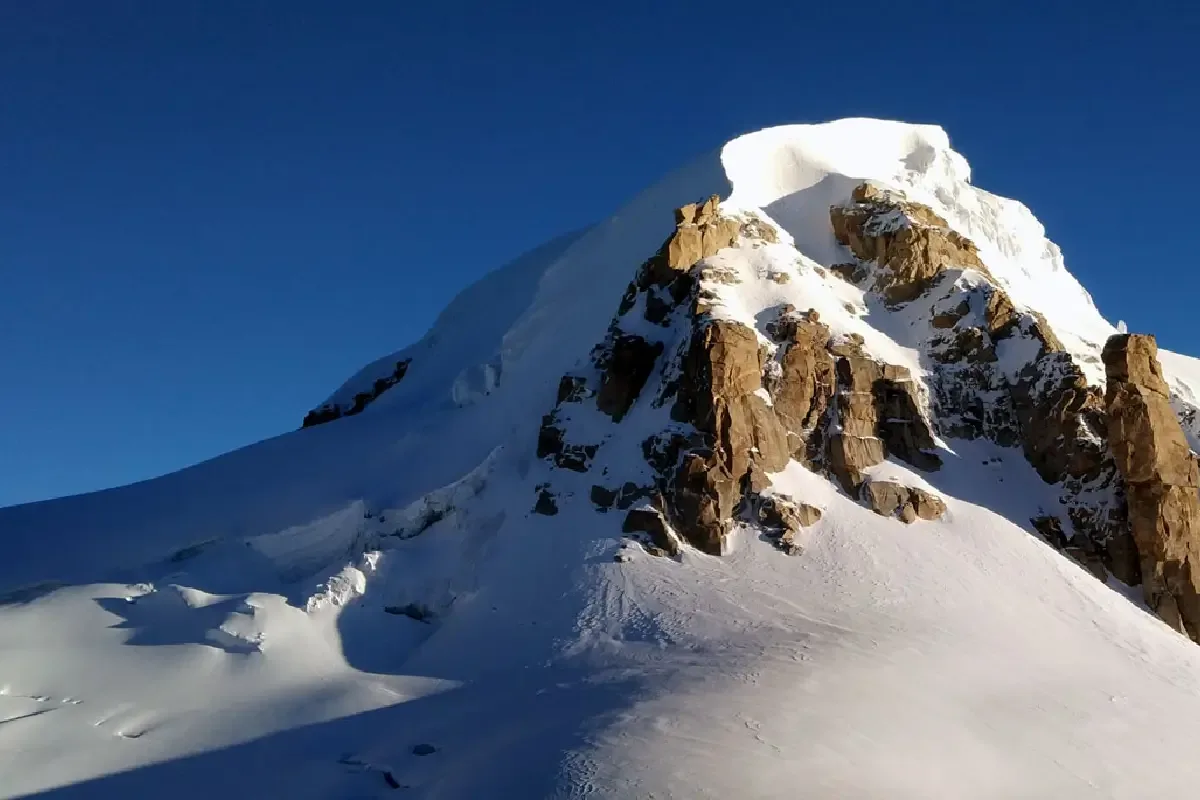
Deo Tibba Peak Expedition
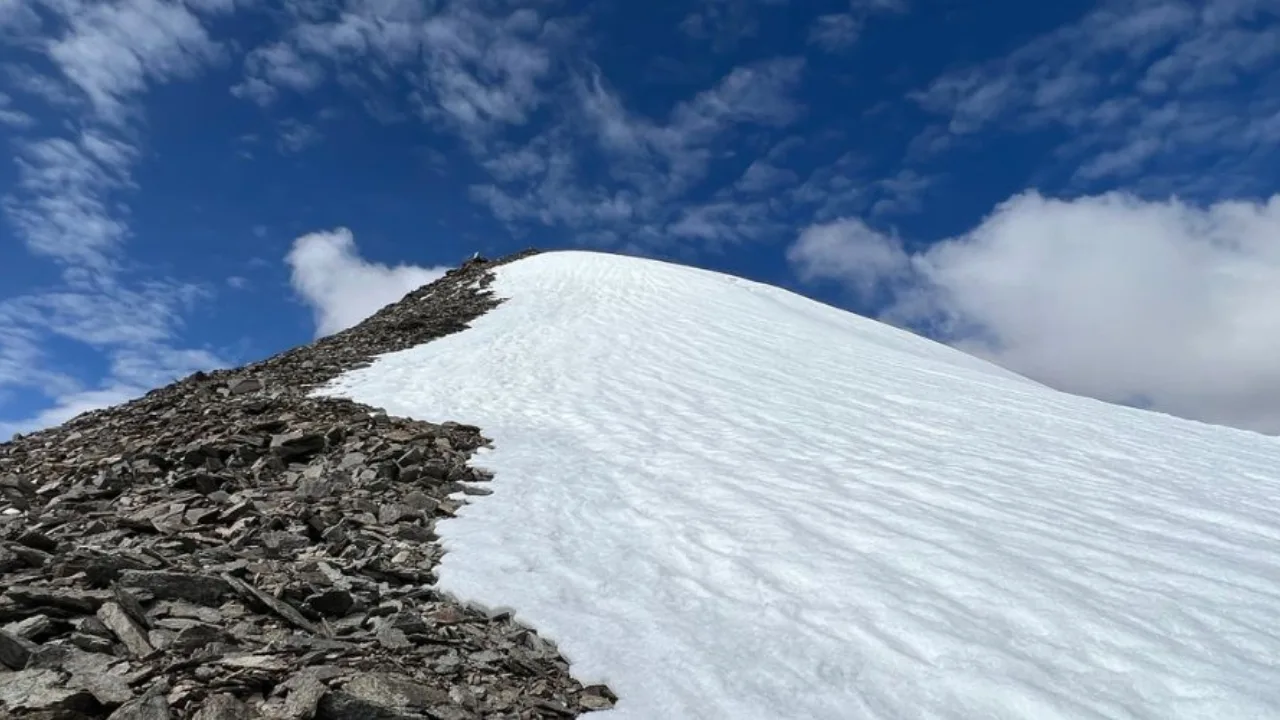
UT Kangri Peak Expedition
Deo Tibba Peak — The sharper technical objective
UT Kangri Peak — The ideal first expedition
MountRoutes Recommendation
Deo Tibba Peak is best if maximum high-altitude exposure is your absolute priority
UT Kangri Peak is best if safer, more predictable progression path
At A Glance
Why They Differ
Altitude Profile
Deo Tibba Peak Expedition and UT Kangri Peak Expedition — similar arena, different objectives.
These two share an audience but make different demands. One is harder in some ways, the other in different ways. Read the breakdown below carefully before deciding.
Your Next Step
Choose the hardest trek you've completed. We'll show how these routes compare.
Choose an anchor trek to see your personalized difficulty mapping.
Progression is one thing.
Physical readiness is another.
Your Fitness Matchboard
Can your body handle these routes?
Find out whether you're ready now, need more training, or should choose an easier objective. Takes 2 minutes.
Best For
Final Recommendation
Baseline RecommendationMountRoutes Pick
UT Kangri Peak
Why we recommend this
UT Kangri Peak introduces expedition logistics with a lower-risk progression curve, making it the safer first expedition for most trekkers. Deo Tibba Peak demands a significantly steeper physical toll.
- Safer, more predictable progression path
- More forgiving overall acclimatization profile
- Requires less sustained trail endurance (shorter duration)
- Optimal benchmark for first-time or transitioning aspirants
Alternative Pick
Deo Tibba Peak
Choose instead if...
- Maximum high-altitude exposure is your absolute priority
- You are fully prepared for a steeper, more intense exertion curve
- You already have strong technical or multi-day expedition experience
The Hardest Day
MethodologyBoth routes challenge you with Altitude Compression, but their stress patterns are completely different.
Deo Tibba Peak · Hardest Day
Shift to Advance Camp
Why Trekkers Struggle
Most trekkers fail on Deo Tibba Peak because the route compresses a massive amount of altitude gain into a short window. Even fit climbers often begin experiencing acute hypoxia symptoms before their bodies can properly adapt.
Best Suited For
Athletes who can maintain high cardiovascular output even in thin air.
What Makes It Difficult
- Aggressive Altitude Profile
- Steep Vertical Gain
Stress Curve
UT Kangri Peak · Hardest Phase
Days 4–6
Why Trekkers Struggle
Most trekkers fail on UT Kangri Peak because the route compresses a massive amount of altitude gain into a short window. Even fit climbers often begin experiencing acute hypoxia symptoms before their bodies can properly adapt.
Best Suited For
Aspirants with a proven track record on fast-ascent, high-altitude profiles.
What Makes It Difficult
- Aggressive Altitude Profile
Stress Curve
Comparison Intelligence
Why They Feel Different
Deo Tibba Peak is more demanding primarily because it combines significantly higher technical terrain complexity with greater cumulative expedition fatigue.
Primary Differences
- Deo Tibba Peak features more complex terrain requiring confident footwork
- Greater mental fatigue and isolation play a secondary role
- Fundamentally different challenge types: aerobic vs altitude
View Full Comparison Analysis
Different Routes. Different Skills.
Deo Tibba Peak demands longer sustained effort with fewer opportunities to recover.
Both routes demand similar acclimatization capacity.
Deo Tibba Peak places more cumulative stress on knees, quads, and descending muscles.
Deo Tibba Peak demands more confident movement on steep and exposed terrain, while UT Kangri Peak relies less on technical footwork.
Deo Tibba Peak exposes trekkers to higher levels of cold, isolation, and cumulative expedition fatigue.
Key Differences
At A GlanceCommitment
Deo Tibba Peak
3 additional days
Month-by-Month Planner
Best Shared Window
This month typically offers stable conditions, good access, and reliable summit opportunities for both routes.
Deo Tibba Peak shines:
May • Jun • Oct
UT Kangri Peak shines:
Jul • Aug
Planning & Logistics
No meaningful logistical differences.
Both routes share similar access, infrastructure, connectivity, and expedition logistics. Choose based on the mountain itself rather than planning considerations.
Route Data Sheet
Detailed specifications for trekkers who want the raw operational and expedition data.
Safety & Rescue
Helicopter rescue
Available
SharedEvacuation
Bharatpur Dhabas / Sarchu
SharedMedical Access
Oxygen at base
SharedLogistics
Gear rental
Manali Gear Market
Leh Market
Drive to base
6 hrs
SharedConnectivity
Limited EvidenceNone.
SharedExperience Requirements
Prior experience
Required
SharedMinimum age
18 yrs
SharedTechnical Details
River crossings
Yes
SharedGlacier crossing
Yes
—
Ice grade
AD
F
Rock grade
PD+
F+
Technical descent
Rappel from fixed ropes on hanging glacier section
Standard trail
Expedition Operations
Acclimatisation cycles
1 rotation
0 rotations
Permit cost
₹3,000
₹2,000
Terrain Profile
Deo Tibba Peak
UT Kangri Peak
Similar Decisions
View full guide for
Deo Tibba Peak Expedition
View full guide for
UT Kangri Peak Expedition