We are currently vetting local partners for UT Kangri Peak Expedition to ensure the highest safety standards. Be the first to know when it's open for booking.
Are you a local operator?
Join our platform to list your verified packages for UT Kangri Peak Expedition and reach thousands of climbers directly.
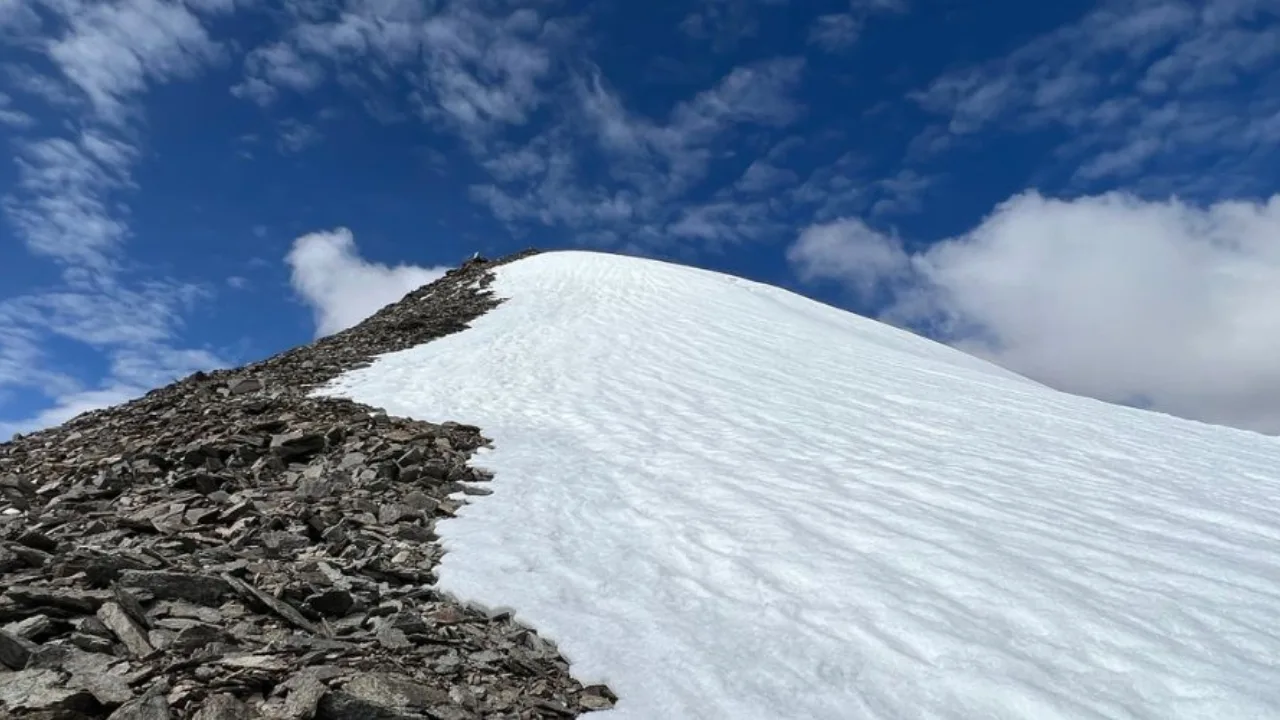
The UT Kangri Expedition is an accessible Himalayan 6,000 m peak climb in Ladakh, offering an excellent introduction to expedition mountaineering. With minimal glacier hazards under normal conditions, it is well suited to climbers progressing beyond trekking.
Expedition Highlights
Yunam Summit (20,046 ft)
Looking down on the entire Chandra-Bhaga range. Even the passing clouds are beneath you.
Yes — it is one of the best first 6,000m objectives in India. The approach is short, the terrain is non-technical (F grade snow ramp), and the 9-day program includes a highly gradual acclimatization. Prior high-altitude trekking experience (15,000ft+) is recommended.
Why is UT Kangri cheaper than Kang Yatse or Stok Kangri?
UT Kangri benefits from a much shorter expedition duration (9 days vs 11-15 days), simpler transport logistics directly from Rumtse, and lower IMF royalty fees compared to highly popular peaks like Kang Yatse I.
What is the crux of the UT Kangri climb?
The crux of UT Kangri is the long summit day itself, which features an intensive 8-10 hour push over a massive snow and scree ramp. There are no technical ice walls or heavily crevassed sections, making cold and thin air the primary obstacles.
Do I need formal mountaineering training to climb UT Kangri?
No formal mountaineering certificate is mandatory, but you must be fully familiar with walking in 12-point crampons and using a trekking ice axe for balance and self-arrest. A 1-day safety training session is conducted at Base Camp by guides.
What is the best month/season to climb UT Kangri?
The best season is from July to mid-October. Being in the Ladakh rain shadow, the weather remains dry and stable. July is excellent for continuous snow cover, while September and October offer harder, firmer footing and stunning clear skies.
How cold does it get at UT Kangri Base Camp?
Base Camp sits at an altitude of approximately 5,030m. Night temperatures in August range between -2°C to -8°C, and can drop below -12°C in late September. An expedition-grade 4-season tent and a -15°C rated sleeping bag are mandatory.
What climbing gear is required for the summit push?
You need rigid B2/B3 double or semi-rigid mountaineering boots, steel crampons, a walking ice axe, a climbing harness, helmet, and safety slings. Standard trekking shoes do not support crampons and are not allowed.
Where is the Base Camp located, and how do we reach it?
The trek starts from Rumtse village on the Leh-Manali highway. We trek over two gradual days through beautiful pastures like Kyamar and Tisaling to establish the Base Camp at 5,030m directly below the peak.
What is the phone and internet connectivity on the route?
There is zero mobile connectivity after leaving Rumtse. The last reliable networks are Airtel and BSNL in Leh. We carry satellite communication devices or high-frequency radios for emergency coordination from Base Camp.
Is Diamox recommended for UT Kangri?
Yes. Because the approach from Rumtse climbs rapidly, Diamox is highly recommended to accelerate acclimatization, taken under medical guidance. A mandatory 3-day rest period in Leh before the trek is strictly enforced.
How are supplies and personal bags transported?
Heavy kitchen equipment, food, tents, and climbers' main duffels are carried by pack horses from Rumtse to Base Camp. Climbers only carry a standard 30L daypack containing hydration, fleece layers, and cameras.
Is helicopter rescue available for UT Kangri?
Yes, the valleys leading to the UT Kangri base are relatively wide, allowing standard rescue helicopters to land under favorable weather conditions, subject to immediate clearance from Leh military authorities.
Is UT Kangri suitable for my first 6,000m peak?
Yes — it is one of the best first 6,000m objectives in India. The approach is short, the terrain is non-technical (F grade snow ramp), and the 9-day program includes a highly gradual acclimatization. Prior high-altitude trekking experience (15,000ft+) is recommended.
Why is UT Kangri cheaper than Kang Yatse or Stok Kangri?
UT Kangri benefits from a much shorter expedition duration (9 days vs 11-15 days), simpler transport logistics directly from Rumtse, and lower IMF royalty fees compared to highly popular peaks like Kang Yatse I.
What is the crux of the UT Kangri climb?
The crux of UT Kangri is the long summit day itself, which features an intensive 8-10 hour push over a massive snow and scree ramp. There are no technical ice walls or heavily crevassed sections, making cold and thin air the primary obstacles.
Do I need formal mountaineering training to climb UT Kangri?
No formal mountaineering certificate is mandatory, but you must be fully familiar with walking in 12-point crampons and using a trekking ice axe for balance and self-arrest. A 1-day safety training session is conducted at Base Camp by guides.
What is the best month/season to climb UT Kangri?
The best season is from July to mid-October. Being in the Ladakh rain shadow, the weather remains dry and stable. July is excellent for continuous snow cover, while September and October offer harder, firmer footing and stunning clear skies.
How cold does it get at UT Kangri Base Camp?
Base Camp sits at an altitude of approximately 5,030m. Night temperatures in August range between -2°C to -8°C, and can drop below -12°C in late September. An expedition-grade 4-season tent and a -15°C rated sleeping bag are mandatory.
What climbing gear is required for the summit push?
You need rigid B2/B3 double or semi-rigid mountaineering boots, steel crampons, a walking ice axe, a climbing harness, helmet, and safety slings. Standard trekking shoes do not support crampons and are not allowed.
Where is the Base Camp located, and how do we reach it?
The trek starts from Rumtse village on the Leh-Manali highway. We trek over two gradual days through beautiful pastures like Kyamar and Tisaling to establish the Base Camp at 5,030m directly below the peak.
What is the phone and internet connectivity on the route?
There is zero mobile connectivity after leaving Rumtse. The last reliable networks are Airtel and BSNL in Leh. We carry satellite communication devices or high-frequency radios for emergency coordination from Base Camp.
Is Diamox recommended for UT Kangri?
Yes. Because the approach from Rumtse climbs rapidly, Diamox is highly recommended to accelerate acclimatization, taken under medical guidance. A mandatory 3-day rest period in Leh before the trek is strictly enforced.
How are supplies and personal bags transported?
Heavy kitchen equipment, food, tents, and climbers' main duffels are carried by pack horses from Rumtse to Base Camp. Climbers only carry a standard 30L daypack containing hydration, fleece layers, and cameras.
Is helicopter rescue available for UT Kangri?
Yes, the valleys leading to the UT Kangri base are relatively wide, allowing standard rescue helicopters to land under favorable weather conditions, subject to immediate clearance from Leh military authorities.
Are you a local operator?
Join our platform to list your verified packages for this expedition.