
Explore
Intelligence
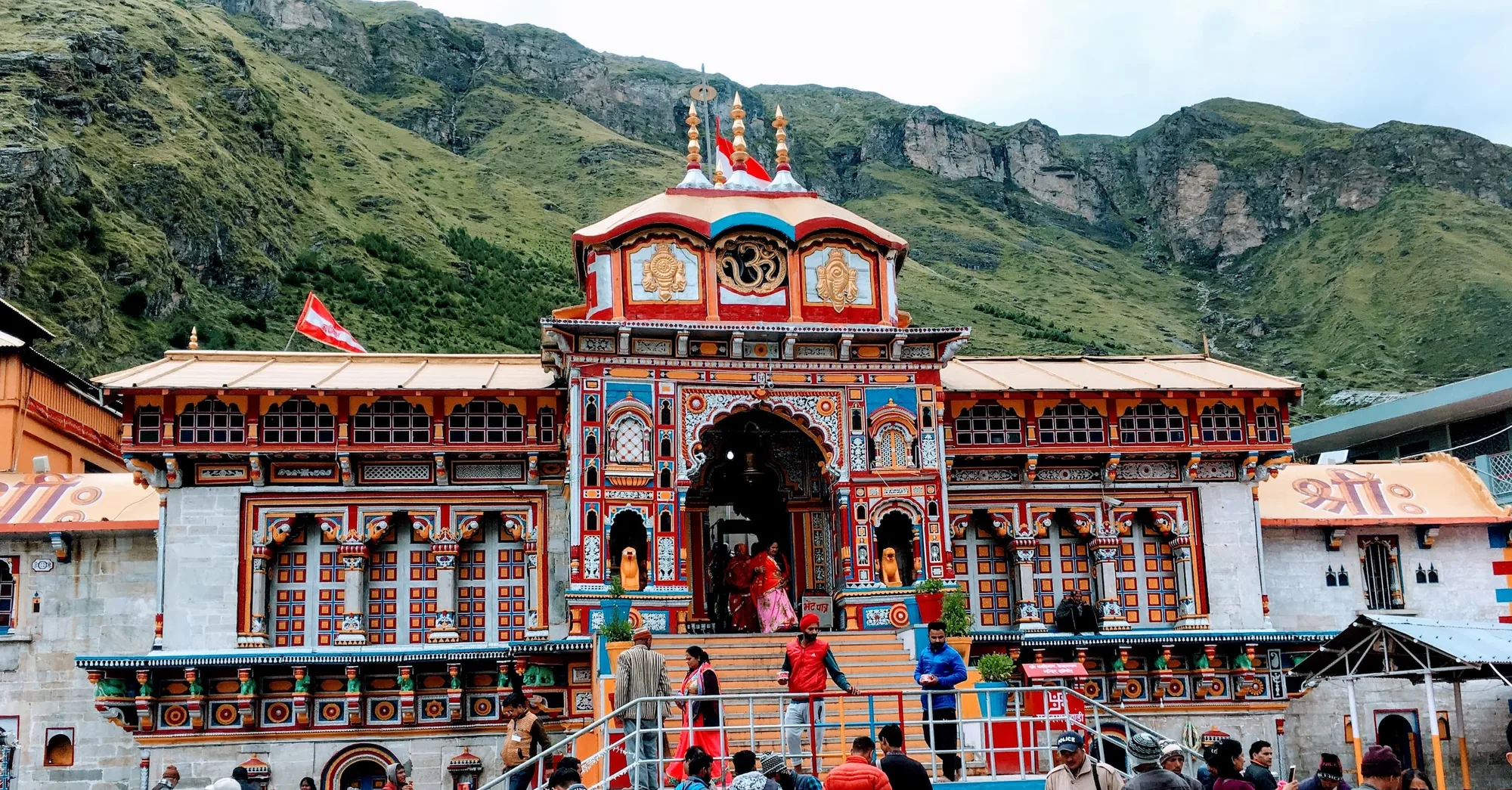
The Complete Guide to
Badrinath Yatra.
Duration
4 Days
Region
Uttarakhand
Difficulty
easy
Altitude
10,279 Ft
The Preparation Sequence
Begin your preparations.
Most pilgrims underestimate how early the journey truly begins. This is the sequence that works.
Complete Registration
Register on the official government portal. Biometric details and valid ID required.
Arrange Accommodation
Dharamshalas and hotels near temple towns fill quickly during pilgrimage season.
Medical Preparation
Mandatory medical clearance if you are 60+. Begin acclimatisation walks if possible.
Arrange Your Essentials
Layered clothing, prescribed medicines, offline maps, photocopies of all documents.
Confirm Everything
Print registration receipts and bookings. Share your itinerary with family at home.
“Preparation is part of the pilgrimage.”
Detailed Guidance
Plan every stage.
Best Time for Darshan
Temple opening dates, seasonal weather, and month-by-month breakdown.
The Sacred Path
Day-by-day itinerary from base camp to main shrine with all halt points.
Darshan Information
Temple timings, VIP darshan, ritual availability, spiritual decorum.
Packages & Costs
Economy to Premium tier comparison with transparent inclusions breakdown.
Government Requirement
Registration & Required Documents
Strict government monitoring during the pilgrimage season.
Official Checklist
Carry originals + photocopies of each.
- Aadhaar card (preferred) or any government-issued photo ID
- Passport-size photograph (1–2 copies)
- Medical fitness certificate (recommended for pilgrims above 60 or with cardiac or respiratory conditions)
- Mandatory Yatra E-Pass (Uttarakhand Tourist Care Portal)
- Green Card / Trip Card for commercial vehicles
- Photography is strictly prohibited inside the Badrinath Temple sanctum.
- Modest dress code enforced.
- VIP darshan requires prior booking and clearance.
Intelligence Brief
What first-timers underestimate
Traffic near temple towns can add 4–6 hours to your journey. Allow for this generously.
Fatigue accumulates over multiple days. Plan at least one full rest day between major shrines.
Weather above 3,000m changes without warning. Carry full rain protection even in summer.
Mobile network is unavailable beyond Barkot and Guptkashi. Download everything before you leave.
Darshan queues during peak season can run 2–8 hours. Patience is part of the pilgrimage.
ATMs are often non-functional in remote temple towns. Carry sufficient cash from the plains.
“Every temple has its own rhythm. Allow enough time.”
What to Carry
Essentials to carry.
Carry what you need, and nothing more. The journey itself will teach you what matters.
🎒Stay & Spiritual
5 ESSENTIALS • GENERAL ESSENTIALS
+
Stay & Spiritual
5 ESSENTIALS • GENERAL ESSENTIALS
🎒Protection & Health
5 ESSENTIALS • GENERAL ESSENTIALS
+
Protection & Health
5 ESSENTIALS • GENERAL ESSENTIALS
Guidance for Your Journey
This guidance is for you.
Senior Citizens (60+)
Medical clearance mandatory. Choose helicopter options for high shrines. Pace matters more than speed.
Families with Children
Pre-book child-friendly accommodation. Keep children hydrated. Avoid extreme altitude stops without acclimatisation.
Solo Pilgrims
Register emergency contact on portal. Join operator-led groups for safety. Download offline maps before leaving.
Budget Travellers
Shared taxis reduce cost significantly. Government dharamshalas available at all major shrines. Cook your own meals where possible.
Many first-time pilgrims spend months arranging hotels but forget that the real journey begins long before they leave home. Pack less than you think you’ll need. Arrive without expectations. The temples have been receiving pilgrims for centuries — they are patient.
MountRoutes Editorial Team
Knowledge Base
Questions Answered
Expert guidance on the most common uncertainties.
Planning
How far is Badrinath from the nearest airport?+
The nearest airport is Jolly Grant in Dehradun, which is about 310km (roughly a 10–11 hour drive) away. Most international and domestic travelers use this airport to save time compared to flying to Delhi.
Can I perform 'Pinda Daan' at Badrinath?+
Yes, 'Brahm Kapal' on the banks of the Alaknanda at Badrinath is considered the most sacred spot in the world for performing last rites (Shradh) and Pinda Daan for ancestors.
Is the road to Badrinath motorable for heavy vehicles like buses?+
Yes, the Badrinath highway is a part of the 'All-Weather Road' project. Large Volvo buses and 27-seater coaches navigate these roads daily, making it suitable for large wedding or community groups.
What is the significance of the Hot Springs (Tapt Kund)?+
Tapt Kund contains natural sulfur water with medicinal properties. Pilgrims take a dip here before darshan for physical and spiritual purification. There are separate sections for men and women.
What should I pack for Badrinath in the month of May?+
Even in May, Badrinath is cold. Pack layered clothing (T-shirts + sweaters + heavy jacket), sunblock (UV rays are strong at high altitude), and comfortable walking shoes for Mana village.
Is WiFi available in Badrinath hotels?+
Some premium hotels offer WiFi, but it can be erratic. We recommend carrying a personal 4G hotspot if you need to work remotely, though mobile 4G is generally reliable for basic tasks.
What is the best way to avoid traffic jams on the way to Badrinath?+
Start your road journey very early (5:00 AM) each day. This helps you cross critical bottleneck zones like Joshimath and Vishnuprayag before the heavy tourist buses begin their travel.
Transport
Is Badrinath safe for travelers with small children?+
Yes, Badrinath is very family-friendly because there is no trekking involved. Facilities like decent hotels, local markets, and medical clinics are readily available near the temple.
Health
What is the unique significance of Mana village?+
Mana is the 'Last Indian Village' before the Tibetan border. It is home to Vyas Gufa (where the Mahabharata was written) and the start point for several stunning short hikes like Vasudhara Falls.
Temple
What time is the Badrinath temple open for Darshan?+
The temple generally opens at 4:30 AM for morning rituals and closes at 9:00 PM. Note that there is a short afternoon closure for cleaning and rituals, usually between 1:00 PM and 4:00 PM.
Before You Leave
One last review.
Tick off each item before you depart. A calm departure is the best beginning.
Document Status
0/6
Verified Items
Planning Complete
Ready to plan your pilgrimage?
Compare OperatorsEverything your family needs to know before the journey.
Planning Badrinath Yatra?
Get route conditions, operator updates, and season windows before booking.
Don't miss out! Follow us for route updates@mountroutes|LinkedIn
No spam. Only useful yatra updates.