
Explore
Intelligence
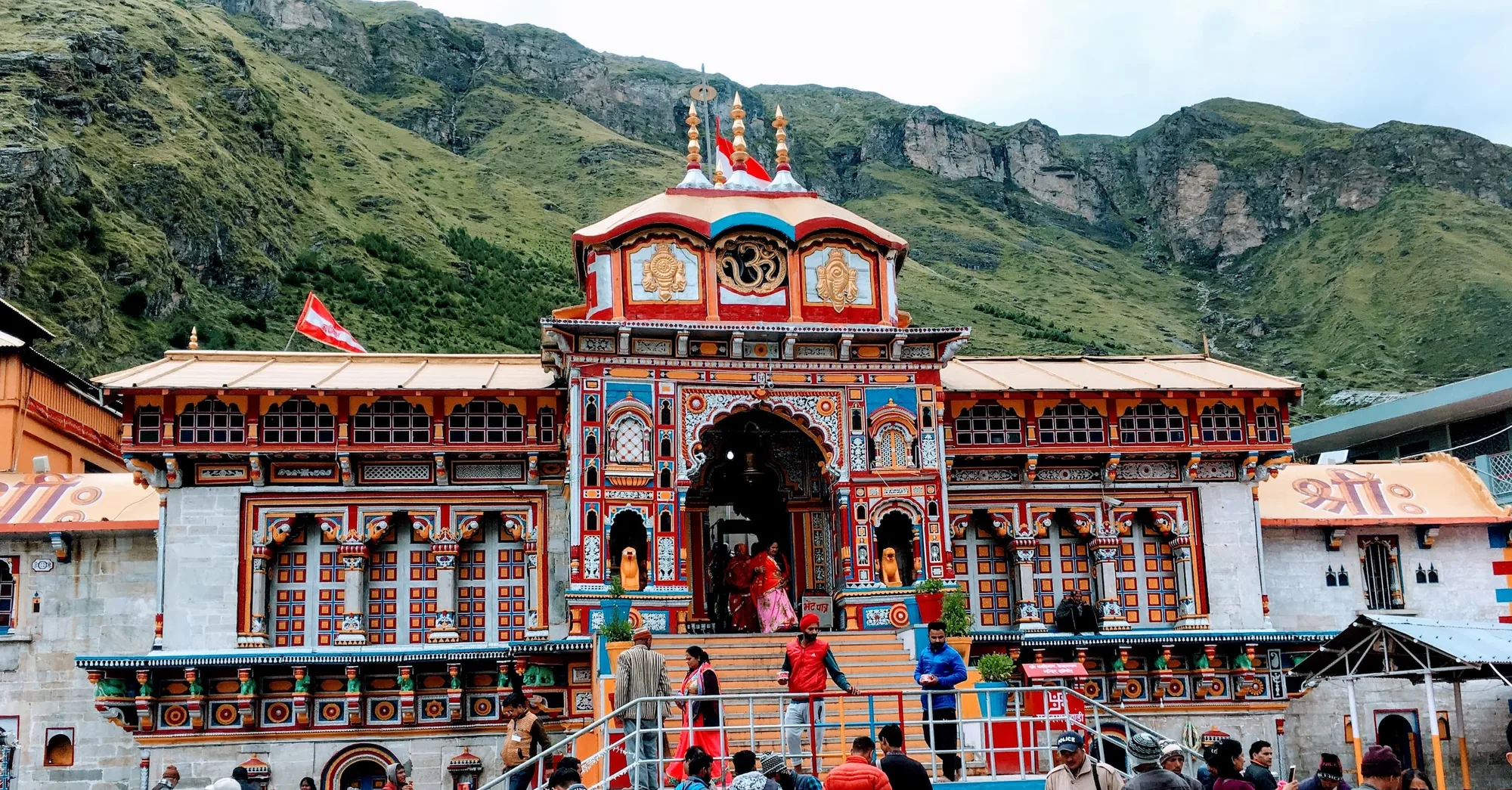
Best Time —
Badrinath Yatra.
Pilgrimage Readiness
Am I ready?
Seasonal Overview
The Himalayan pilgrimage follows four distinct phases:
Opening Season
Late April – May
Fresh atmosphere, snow remains
Early Summer
June
Highest footfall, warmer weather
Monsoon
July – August
Frequent rain, landslide risks
Golden Window
September – October
Clear skies, best visibility
Most families choose May, September, and October because roads are generally more reliable and the weather is comfortable.
Our recommendation
If you can choose only one month, choose October.
If October isn't possible, May and September are excellent alternatives. Avoid July and August unless your dates are fixed.
Best road conditions
Comfortable weather
Highest recommendation
Editor's Notes
October is the best month — post-monsoon skies give the clearest views of Nanda Devi and Nilkantha from Badrinath. Temple closes early November. Book the moment October dates open.
June after the 15th carries real landslide risk on the Chamoli–Badrinath highway. The road is one of the most landslide-prone in Uttarakhand during monsoon. Avoid mid-June to August.
Late April opening week has sparse crowds and clear roads. Cold at 3,133 m but manageable with warm layers. Good window if you want darshan without queues.
Season at a Glance
Month-by-Month Guide
January
ClosedOff Season
Temple closed. Badrinath town under heavy snow, roads blocked above Joshimath.
Empty Trails
Temple closed for winter
February
ClosedOff Season
Temple closed. Road clearance begins lower down but Badrinath remains snowbound.
Empty Trails
Temple closed for winter
March
ClosedOff Season
Temple closed. Snow melting at Joshimath level. Operators begin bookings.
Empty Trails
Temple closed; opening still 6–8 weeks away
April
RecommendedEarly Access
Temple opens late April. Early-season cold — 0–10°C at Badrinath. Road conditions patchy in first week. Sparse crowds on opening days.
Lower Crowds
May
PeakTemple Opening Season
Peak season. Weather excellent, roads fully open, temperatures 5–18°C. Best month for clear Himalayan views. Book 4–6 weeks in advance.
Highest Pilgrim Traffic
June
AvoidHighest Pilgrim Traffic
Good first two weeks. Monsoon arrives mid-June — Chamoli–Badrinath highway increasingly prone to landslides from June 15 onwards.
Highest Pilgrim Traffic
Landslide and road closure risk from mid-June onwards
July
AvoidFrequent Landslides
Full monsoon. Frequent road closures on NH-58 due to landslides and rockfalls. Temple remains open but travel is unpredictable.
Balanced Crowds
High landslide risk; significant travel disruption likely
August
AvoidMonsoon Rains
Monsoon continues. Same landslide risks as July. Not recommended unless travel dates are highly flexible.
Balanced Crowds
Continued landslide and flooding risk on approach roads
September
PeakPost-Monsoon Landscape
Monsoon retreats mid-September. Skies clear rapidly, landscapes lush. Excellent Himalayan views, cooler temperatures. Highly recommended.
Balanced Crowds
October
PeakClear Mountain Views
Best weather of the season. Crisp, clear, post-monsoon skies with full Nanda Devi and Nilkantha views. Cool to cold (2–14°C). Temple closes in November — book early for October.
Highest Pilgrim Traffic
November
ClosingClosing Ceremonies
Temple closes first or second week of November. Closing ceremony (Closing Puja) is spiritually significant; a small number of pilgrims visit specifically for this. Road conditions deteriorate in second half.
Lower Crowds
Temple closes early November; risk of being stranded if timing is misjudged
December
ClosedOff Season
Temple closed, town largely abandoned, roads blocked above Joshimath.
Empty Trails
Temple closed for winter
Opening & Seasonal Info
Most pilgrimage sites in this region follow seasonal patterns. Registration often opens 1-2 months in advance of the peak season. Always check specific dates for the current year.
Climate & Gear
Temperatures can vary significantly between day and night. We recommend carrying multi-season layers to stay comfortable throughout your journey.
Timing your yatra right matters. Share this with your family.
Ready to choose your travel dates?
Compare operators available during your preferred season for the Badrinath Yatra.