
Explore
Intelligence
Compare operators for
Satopanth Tal Trek
Compare operators for Satopanth Tal Trek
Interested in this trek?
We are currently vetting local partners for Satopanth Tal Trek to ensure the highest safety standards. Be the first to know when it's open for booking.
Are you a local operator?
Join our platform to list your verified packages for Satopanth Tal Trek and reach thousands of trekkers directly.
Found the right operator? Share this list with whoever's coming with you.
Better Prep.
Safer Expeditions.
Free professional-grade tools to audit your altitude safety and generate personalized gear checklists.
About Satopanth Tal Trek
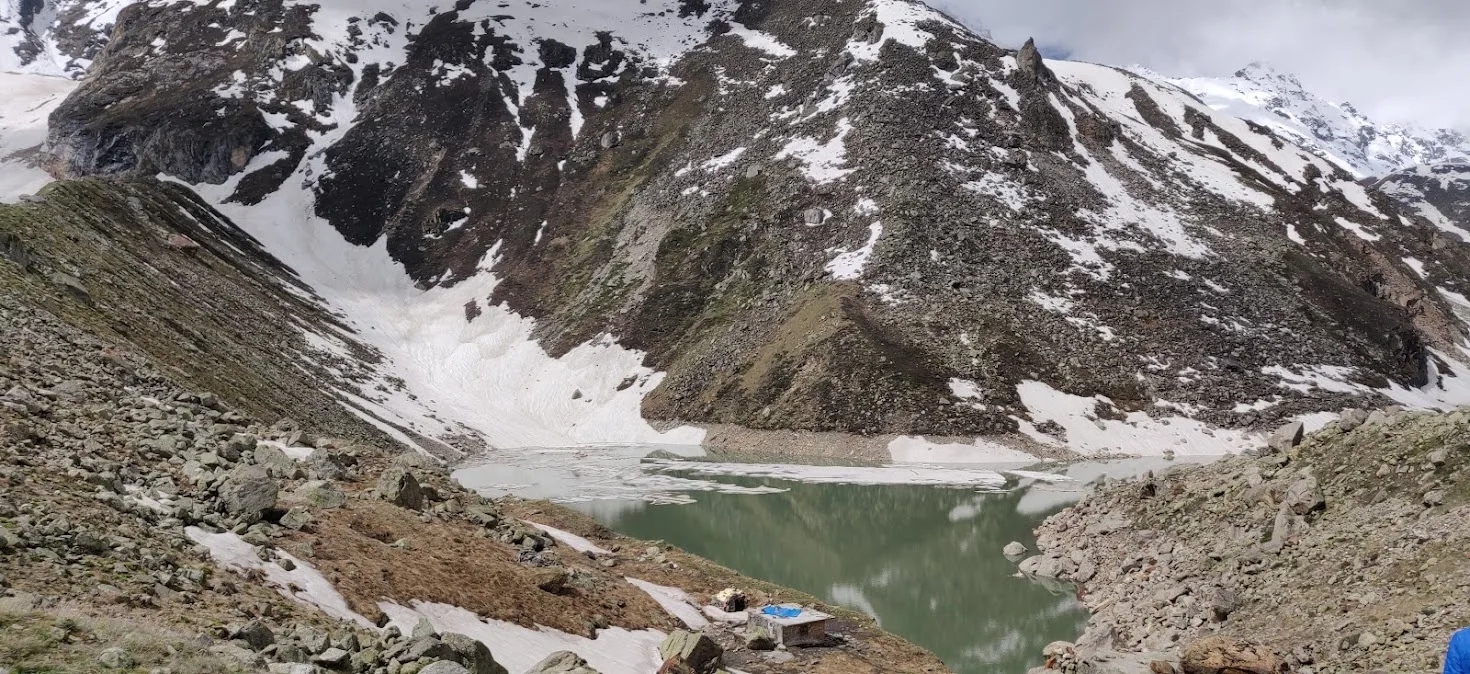
The Satopanth Tal Trek leads to one of the Himalayas' most revered high-altitude lakes beyond Badrinath. Combining glacial moraines, rugged mountain terrain, and deep spiritual significance, it is one of Garhwal's classic high-altitude expeditions.
Trek Highlights
Triangular Lake Reflection
Perfect mirror reflection of Mount Neelkanth in the emerald triangular waters.
Vasudhara Falls
Massive 400ft waterfall that disappears into the wind before hitting the ground.
Common Questions
What is the religious significance of Satopanth Tal?
How difficult is the trek compared to Gaumukh Tapovan?
Where do we stay on the trek?
Is a guide mandatory for Satopanth?
What peaks can we see from the lake?
What is the best time for clear views?
Is oxygen needed for this trek?
How do I reach the base point?
What is the religious significance of Satopanth Tal?
How difficult is the trek compared to Gaumukh Tapovan?
Where do we stay on the trek?
Is a guide mandatory for Satopanth?
What peaks can we see from the lake?
What is the best time for clear views?
Is oxygen needed for this trek?
How do I reach the base point?
Are you a local operator?
Join our platform to list your verified packages for this trek.
Planning Satopanth Tal Trek?
Get route conditions, operator updates, and season windows before booking.
Don't miss out! Follow us for route updates@mountroutes|LinkedIn
No spam. Only useful trek updates.
Explore Collections