
Explore
Intelligence
Season & Weather Guide
Best Time for Rohini Bugyal Trek — Month-by-Month Guide
April for the spectacular red Rhododendron forest blooms, or winter (Dec-Feb) for an incredible snow-trekking experience.
Seasonal Verdict
When should you go?
The trek is spectacular in two distinct seasons: Spring (March to May) for the famous Rhododendron blooms and comfortable weather, and Autumn/Winter (October to December) for pristine, cloudless skies and thrilling snow-trekking on Chandrashila.
Season at a Glance
Editor's Notes
Month by Month
What each month looks like
January
Peak SeasonConditions
Heavy snow at Chopta and Chandrashila. The forest trail to Rohini Bugyal is stunning but requires snow gear.
Crowds
medium
Deep snow. Microspikes and gaiters are mandatory. Spectacular winter wonderland.
February
Peak SeasonConditions
Peak winter snow. The summit push to Chandrashila can be physically exhausting due to deep snow.
Crowds
medium
Heavy snowpack remains. Summit push is physically draining.
March
Peak SeasonConditions
Snow begins melting. Rhododendrons start blooming in the lower altitudes near Sari.
Crowds
medium
Snow starts melting. Lower altitude rhododendrons begin to bloom.
April
Peak SeasonConditions
Peak spring. The forest between Deoria Tal and Rohini Bugyal is completely red/pink with flowers.
Crowds
medium
Peak spring. The forest is vibrant red. Excellent trekking weather.
May
Peak SeasonConditions
Warm and pleasant weather. Excellent visibility, though afternoons can get hazy.
Crowds
medium
Warm days. Very crowded at Chopta as summer holidays begin.
June
Peak SeasonConditions
Warm weather. Late June sees the arrival of pre-monsoon clouds.
Crowds
medium
Pre-monsoon clouds obscure afternoon views. Still pleasant.
July
Conditions
Monsoon hits. The forest trails become muddy, slippery, and infested with leeches.
Crowds
none
Heavy rain, landslides, leeches.
Monsoon. Mud, leeches, and blocked views. Avoid.
August
Conditions
Peak monsoon. Zero visibility of the peaks. Leeches are highly active.
Crowds
none
Monsoon washouts.
Peak monsoon. Trails are unsafe and infested with leeches.
September
Peak SeasonConditions
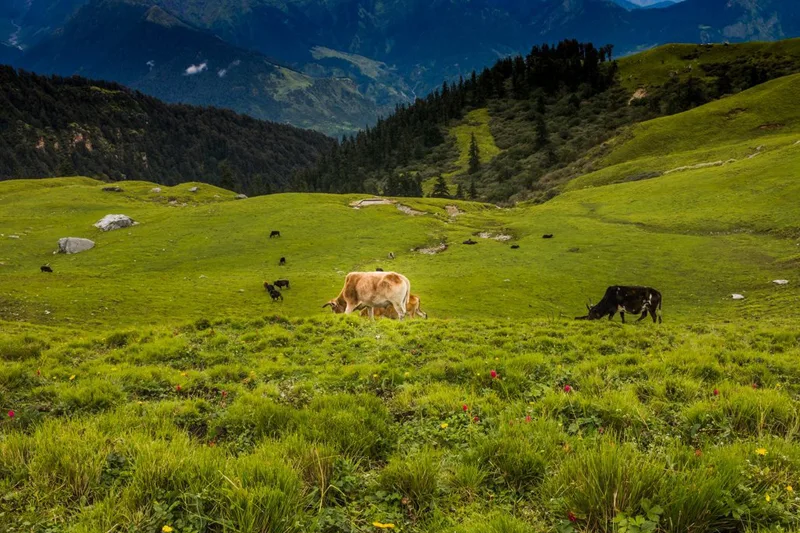
Post-monsoon freshness. The bugyals are vividly green, and the skies are washed clean.
Crowds
medium
Post-monsoon clearing. Green bugyals and washed skies.
October
Peak SeasonConditions
The absolute best window for photography. Razor-sharp views of Chaukhamba and Nanda Devi.
Crowds
medium
Flawless visibility. Best month for photography of Chaukhamba.
November
Peak SeasonConditions
Temperatures drop significantly. The first snowfalls hit Tungnath and Chandrashila.
Crowds
medium
Cold and crisp. First snows might dust the summit.
December
Peak SeasonConditions
Winter trekking begins. Crisp, cold air and high chances of a snowy summit.
Crowds
medium
Winter trekking starts. Beautiful snow-covered trails.
Plan Your Trek:
Still deciding?
Compare routes side-by-side to find the perfect match for your fitness, dates, and budget.
Timing makes or breaks a trek. Send this to your group before you decide.
Step 3: Route Intelligence
You've chosen a season.
Now see exactly how the route unfolds day by day, including terrain types and daily altitude profiles.
Explore the Itinerary