
Explore
Intelligence
Difficulty & Readiness Guide
Is Mayali Pass Trek Difficult? — Fitness & Altitude Guide
Extreme. This is a technical mountaineering expedition requiring ropes, crampons, and ice axes to cross a highly crevassed glacier and scale a 17,388 ft pass.
The Question
Can I do this trek?
Preparation Required
Advanced
Prior Experience
Required: At least 2-3 moderate Himalayan treks (above 13,000ft).
Expert Verdict
Highly technical trek requiring physical and mental preparation.
Mayali Pass Trek
Himalayan Placement · Index 64Route Knowledge
Why is it difficult?
Exertion Index
Primary Challenge
Route Identity
Demanding glaciated pass crossing requiring sustained altitude endurance.
Primary Drivers
- Maximum sleeping altitude of 15,000 ft
- Grueling summit push with 2,388 ft of elevation gain
- 8 consecutive high-output trekking days
- Peak daily distance of 15 km
View Full Route Analysis
Physiological Demand
Expect long, exhausting days of sustained climbing at high intensity. Your cardiovascular system will be pushed to its absolute limit.
Deep wilderness isolation and cumulative fatigue. The mental challenge of enduring days on end in harsh conditions is extreme.
Steep, punishing ascents and descents that will heavily tax your knees, ankles, and overall joint stability.
Extreme high altitude exposure. Severe oxygen depletion requires careful acclimatization and peak cardiovascular health.
Well-defined, stable trails with no technical maneuvers required.
Terrain Breakdown
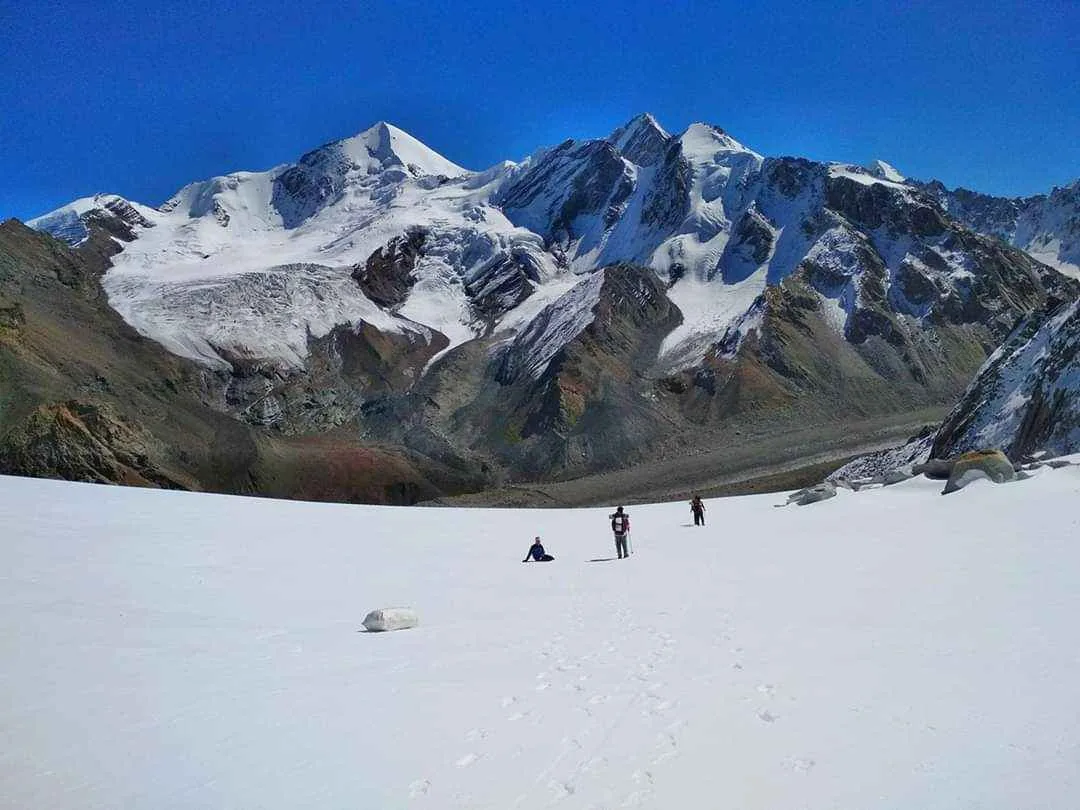
The terrain transitions from dense forest to alpine meadows, and ultimately to aggressive glacial ice, deep crevasses, and near-vertical rock scrambles.
Summit Day Notes
Crossing Mayali Pass is extreme. You must wear crampons/microspikes, navigate a heavily crevassed snowfield, and use fixed ropes (if set by the guide) to conquer the final ice wall.
The Descent
The descent from Mayali Pass to Vasuki Tal is a brutal, near-vertical drop over loose scree. One wrong step can trigger a rockfall on those below you.
Altitude Profile
High risk. Sleeping at 15,000 ft (Masar Tal) before crossing 17,388 ft requires a perfectly acclimatized body.
Run AMS Risk Audit →Trail Performance Data
Max Gradient
60%
Hydration
1.5L per km recommended
Loose Surface Sections
- •The descent from Mayali Pass to Vasuki Tal is a near-vertical scree slope.
Personal Readiness
Am I ready?
What this route demands
People who feel comfortable on this route can usually:
Who Can Do This Trek?
Min Age
18+
Max Age
50
Western Toilets at Base
Yes
Solo Female Travelers
The extreme environment dictates that nobody should trek this solo. Always go with a large, professional expedition team.
Hazard Profile
What goes wrong?
Common Mistakes on Mayali Pass Trek
Most injuries and failures on this trail can be avoided by making smarter decisions early on.
Not treating it as a mountaineering expedition. This is not a standard trek; it requires technical gear and elite fitness.
Rushing the acclimatization. Gaining 3,000 ft to sleep at Masar Tal (15,000 ft) is incredibly aggressive.
Unclipping from the rope on the glacier. Crevasses are often hidden under fresh snow bridges.
Safety & Medical Risks
Key Risks
Falling into a hidden crevasse on the Khatling Glacier
Severe HAPE/HACE due to the aggressive ascent to 15,000+ ft
Rockfall on the steep descent from Mayali Pass to Vasuki Tal
AMS (Altitude Sickness)
Extreme risk. The camp at Masar Tal (15,000 ft) is a massive jump. Operators must mandate Diamox and carry emergency oxygen.
Evacuation Route
Evacuation is terrifying. If injured at Masar Tal or the pass, you must be physically carried by porters back across the glacier to Chowki. Helicopter rescue is the only viable option in a life-or-death scenario.
Solo Trekking
Absolutely prohibited. It is suicide to attempt a crevassed glacier crossing without a roped team and local knowledge of the ice bridges.
Common Trail Ailments
🏥 Nearest ICU: Dehradun
Tactical Emergency Hub
> Helicopter evacuation from Kedarnath or Chowki is possible. Evacuation from the pass itself is nearly impossible without a manual carry.
Auditability
How is this calculated?
Understand This Route Further
Before attempting this route:
Still deciding?
Compare routes side-by-side to find the perfect match for your fitness, dates, and budget.
Still think it's doable? Share this with your trek mate and see if they agree.
Step 2: Seasonal Safety
You know how demanding this route is.
Now find the safest and most reliable season to attempt it.
Check Best Time to Go