
Explore
Intelligence
Season & Weather Guide
Best Time for Mayali Pass Trek — Month-by-Month Guide
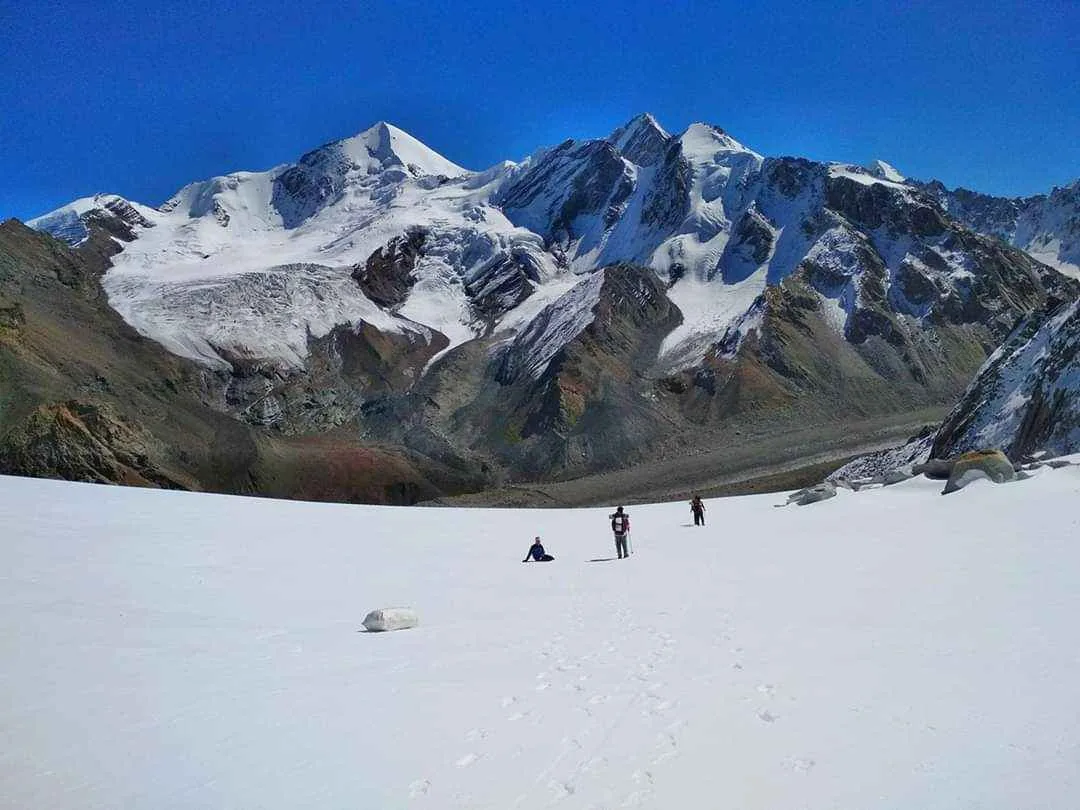
September. The monsoon washes the sky clean, and the melted snow exposes the hidden crevasses on the Khatling glacier, making it safer to navigate.
Seasonal Verdict
When should you go?
Due to the extreme altitude and glacial crossings, the trek has a very narrow window: pre-monsoon (late May to June) and post-monsoon (September to early October). Outside these months, the pass is impassable.
Season at a Glance
Editor's Notes
Month by Month
What each month looks like
January
Conditions
Closed. Buried under massive winter snow.
Crowds
none
Deep snow accumulation, extreme cold, or closed trail conditions
Closed. Complete winter blackout.
February
Conditions
Closed.
Crowds
none
Deep snow accumulation, extreme cold, or closed trail conditions
Closed.
March
Conditions
Closed.
Crowds
none
Deep snow accumulation, extreme cold, or closed trail conditions
Closed.
April
Conditions
Closed.
Crowds
none
Deep snow accumulation, extreme cold, or closed trail conditions
Closed.
May
Peak SeasonConditions
Late May is possible for experienced climbers. Expect heavy, deep snow on the pass and frozen lakes.
Crowds
medium
Late May is possible for experienced climbers, but the lakes will be frozen and the pass will have deep snow.
June
Peak SeasonConditions
Prime season. The lower valleys are green, and the snow on the pass is stable enough for crossing.
Crowds
medium
Prime season. The weather window before the monsoon hits.
July
Peak SeasonConditions
High risk. Heavy monsoon rains trigger landslides in the Bhilangana valley. Crevasses on the Khatling glacier open up and become hidden by fresh snow.
Crowds
medium
High risk. Heavy monsoon rains in the lower valleys cause landslides. Crevasses become hidden.
August
Conditions
High risk. Monsoon continues. Not recommended.
Crowds
none
Monsoon precipitation and landslide / slippery trail hazards
High risk. Monsoon continues.
September
Peak SeasonConditions
The absolute best month. The sky is crystal clear, the glacier ice is exposed (making crevasses visible), and the weather is stable.
Crowds
medium
The absolute best month. The glacier is exposed, making navigation safer, and skies are clear.
October
Peak SeasonConditions
Early October is excellent, but extremely cold. By late October, the first major winter storms shut the pass down.
Crowds
medium
Early October is excellent but brutally cold. By late October, the pass is too dangerous.
November
Conditions
Closed.
Crowds
none
Deep snow accumulation, extreme cold, or closed trail conditions
Closed.
December
Conditions
Closed.
Crowds
none
Deep snow accumulation, extreme cold, or closed trail conditions
Closed.
Plan Your Trek:
Still deciding?
Compare routes side-by-side to find the perfect match for your fitness, dates, and budget.
Timing makes or breaks a trek. Send this to your group before you decide.
Step 3: Route Intelligence
You've chosen a season.
Now see exactly how the route unfolds day by day, including terrain types and daily altitude profiles.
Explore the Itinerary