
Explore
Intelligence
Compare operators for
Masar Tal Trek
Compare operators for Masar Tal Trek
Interested in this trek?
We are currently vetting local partners for Masar Tal Trek to ensure the highest safety standards. Be the first to know when it's open for booking.
Are you a local operator?
Join our platform to list your verified packages for Masar Tal Trek and reach thousands of trekkers directly.
Found the right operator? Share this list with whoever's coming with you.
Better Prep.
Safer Expeditions.
Free professional-grade tools to audit your altitude safety and generate personalized gear checklists.
About Masar Tal Trek
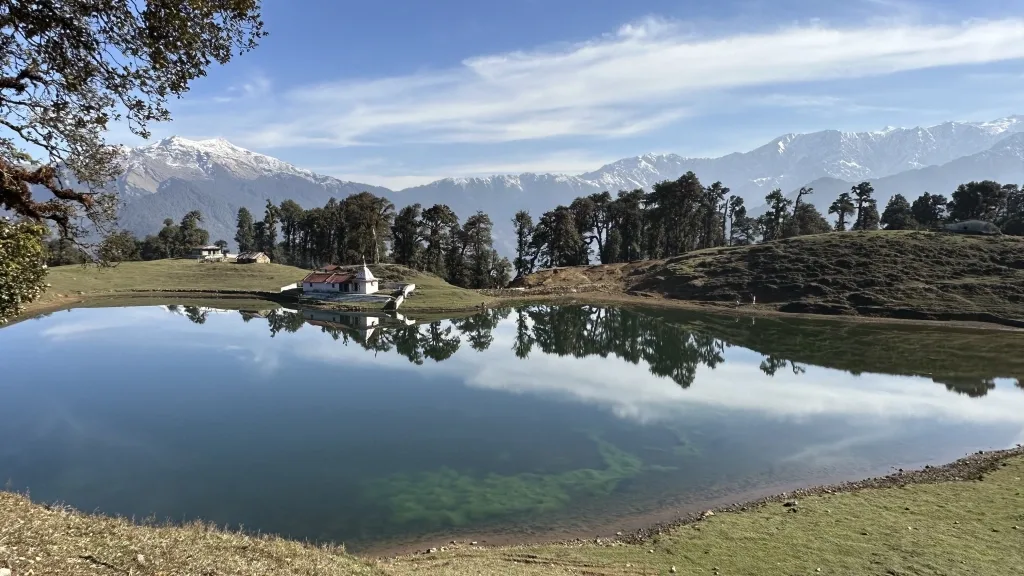
The Masar Tal Trek is a remote alpine lake expedition in the Garhwal Himalayas, leading to one of the region's lesser-visited high-altitude lakes. Climbing to approximately 13,580 ft, the route passes through traditional mountain villages, dense forests, alpine meadows, and glacial terrain, making it an excellent choice for experienced trekkers seeking a quiet wilderness journey.
Trek Highlights
Masar Tal
A pristine, high-altitude alpine lake nestled in a stark basin of rock and snow at 13,580 ft.
Khatling Glacier Snout
The massive, imposing wall of ancient ice giving birth to the Bhilangana river, visible from Tambakund.
Gangi Village
A traditional, hyper-remote Garhwali settlement featuring ancient wooden architecture and a timeless way of life.
Common Questions
Is this trek suitable for beginners?
Do I cross the Khatling Glacier on this trek?
Are there any villages or homestays on the route?
Do I need a local guide?
What is the risk of AMS?
Can I continue to Kedarnath from Masar Tal?
Is there mobile connectivity?
What kind of wildlife might we encounter?
Is this trek suitable for beginners?
Do I cross the Khatling Glacier on this trek?
Are there any villages or homestays on the route?
Do I need a local guide?
What is the risk of AMS?
Can I continue to Kedarnath from Masar Tal?
Is there mobile connectivity?
What kind of wildlife might we encounter?
Are you a local operator?
Join our platform to list your verified packages for this trek.
Planning Masar Tal Trek?
Get route conditions, operator updates, and season windows before booking.
Don't miss out! Follow us for route updates@mountroutes|LinkedIn
No spam. Only useful trek updates.
Explore Collections