
Explore
Intelligence
Difficulty & Readiness Guide
Is Kuari Pass Trek Difficult? — Fitness & Altitude Guide
Focus on cardio endurance.
The Question
Can I do this trek?
Preparation Required
Entry Level
Prior Experience
None required. Suitable for first-time trekkers.
Expert Verdict
Highly technical trek requiring physical and mental preparation.
Route Knowledge
Why is it difficult?
Exertion Index
Primary Challenge
Route Identity
Fast-paced or high-mileage route demanding excellent cardiovascular fitness across a pass-crossing route featuring loose moraine.
Primary Drivers
- Maximum sleeping altitude of 11,070 ft
View Full Route Analysis
Physiological Demand
Comfortable pacing with moderate daily distances.
Below the major effects of altitude sickness. Air remains relatively dense.
Comfortable pacing with good recovery options.
Well-defined, stable trails with no technical maneuvers required.
Rolling or gradual terrain with minimal harsh impact on joints.
Terrain Breakdown
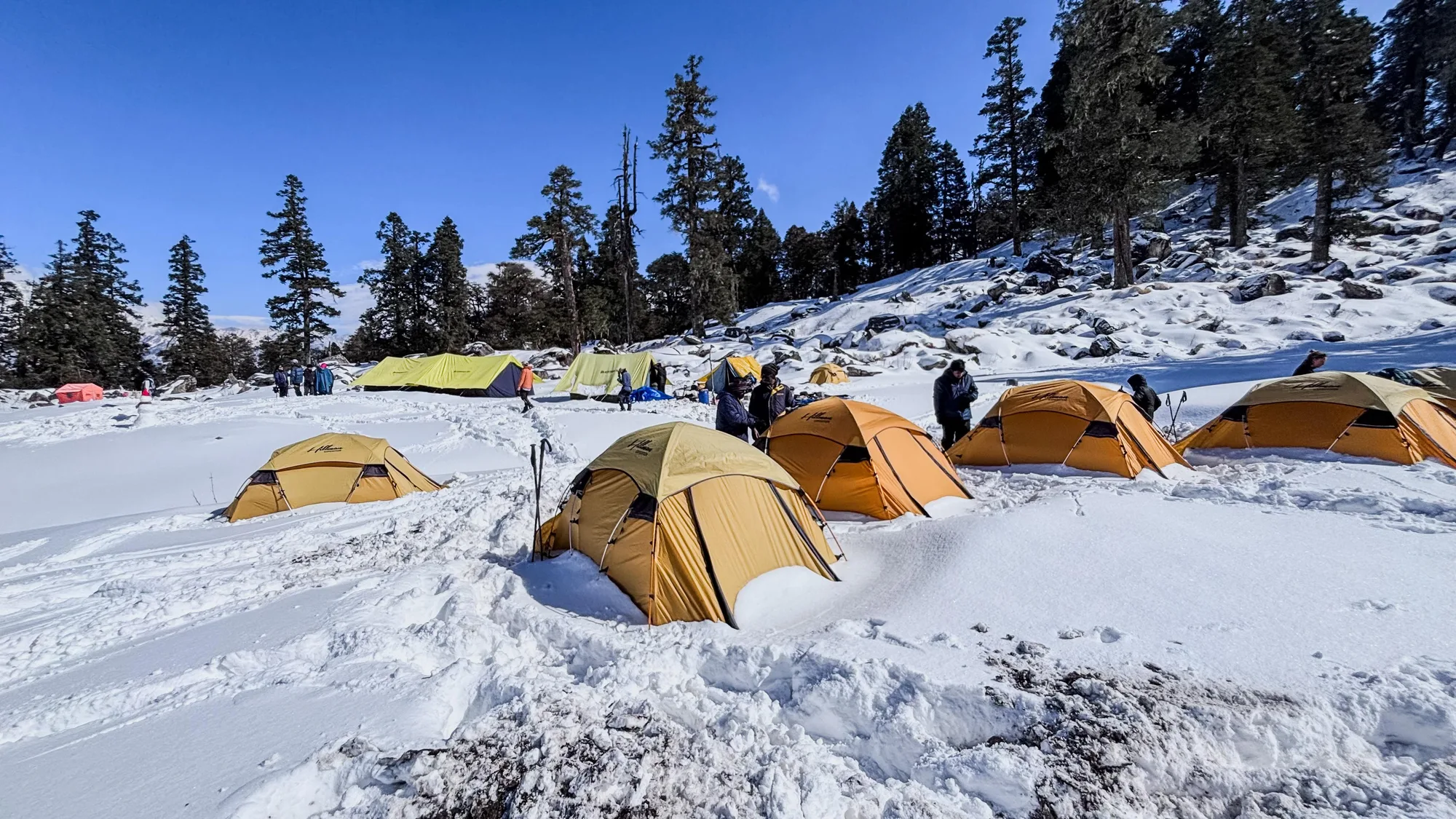
The trail is mostly well-paved stone paths through villages, transitioning into soft forest floor during the mid-section. The final 3km to the pass is a rocky ridge walk. In winter, this ridge becomes narrow and requires Microspikes for safety on hard-packed ice.
Summit Day Notes
Day 4 is an 8.5 hour day. While the altitude gain is moderate (1,450ft), the distance and wind-chill make it the hardest day. No technical climbing required.
The Descent
The descent from Tali Top to Auli on Day 5 is a massive 4,900ft drop in a single day. This is the hardest part for trekkers with knee issues. Use of trekking poles is mandatory for balance.
Altitude Profile
The trek starts at 6,150ft and reaches 12,516ft over 4 days. This is a very safe acclimatization curve. Day 1 drive from Dehradun (2,100ft) to Joshimath (6,150ft) is the first altitude shock — stay hydrated that evening.
Run AMS Risk Audit →Trail Performance Data
Max Gradient
35%
Hydration
0.4L per km recommended
Loose Surface Sections
- •Gorseon to Tali forest floor (slippery)
- •Pass push (scree)
Personal Readiness
Am I ready?
What this route demands
People who feel comfortable on this route can usually:
Who Can Do This Trek?
Min Age
8+
Max Age
65
Western Toilets at Base
Yes
Solo Female Travelers
Very High; popular family trail with proximity to major hubs.
Hazard Profile
What goes wrong?
Common Mistakes on Kuari Pass Trek
Most injuries and failures on this trail can be avoided by making smarter decisions early on.
Assuming 'Moderate' means zero prep — 12,516ft is still high altitude. Under-estimating fitness leads to exhaustion on summit day.
Wearing low-ankle running shoes — forest switchbacks and snowy ridges require ankle support and grip.
Not breaking in new shoes before the trek — blisters on Day 2 in the dusty Dhak trail are common.
Attempting the winter ridge without Spikes — early morning ice at the pass is slippery and dangerous.
Not withdrawing cash at Joshimath — there are NO ATMs at Dhak or onwards campsites.
Safety & Medical Risks
Key Risks
Wind chill and frostbite risks on the Kuari ridge in winter (Dec–Feb)
Narrow frosty ridge walk at 12,000ft — high fall risk if not using Spikes
Sudden whiteouts in March snow — easy to lose the forest trail
AMS on Day 2 due to the rapid gain from Dehradun (2,100) to Gulling (9,600)
AMS (Altitude Sickness)
Classic moderate gain. Stay at Joshimath for one full evening. Drink at least 4-5L water. Maintain a 'slow-and-steady' pace in the Chitrakantha forest section.
Evacuation Route
Fastest route is via Auli (Ropeway/Road access to Joshimath) or back to Dhak village via Gulling.
Solo Trekking
Highly popular and safe for solo trekkers during peak months (May, Oct, Dec). However, solo trekking in deep winter snow is highly discouraged as trails vanish and visibility can drop to zero in minutes.
Common Trail Ailments
🏥 Nearest ICU: Max Super Speciality Hospital, Dehradun / AIIMS Rishikesh
Tactical Emergency Hub
> Quick evacuation to Auli roadhead via porter (2-3 hrs from lower camps). Joshimath has major Army/Civil medical centers.
Auditability
How is this calculated?
Understand This Route Further
Before attempting this route:
Still deciding?
Compare routes side-by-side to find the perfect match for your fitness, dates, and budget.
Still think it's doable? Share this with your trek mate and see if they agree.
Step 2: Seasonal Safety
You know how demanding this route is.
Now find the safest and most reliable season to attempt it.
Check Best Time to Go