
Explore
Intelligence
Season & Weather Guide
Best Time for Jalsu Pass Trek — Month-by-Month Guide
May to June for vibrant greenery, and September to October for crystal-clear panoramic views of the Pir Panjal range.
Seasonal Verdict
When should you go?
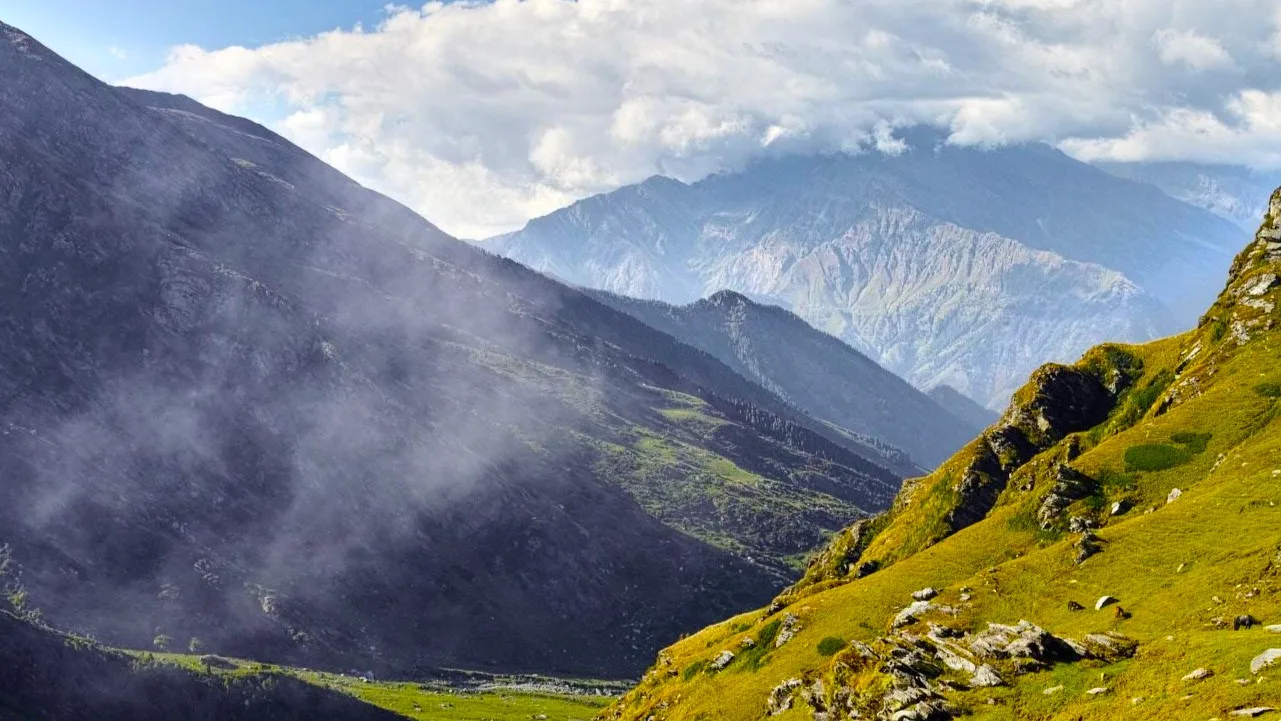
The trek offers two distinct flavors: vibrant green pastures and blooming rhododendrons in early summer (May-June), and crisp, clear mountain views in post-monsoon autumn (September-October).
Season at a Glance
Editor's Notes
Month by Month
What each month looks like
January
Conditions
Closed. Deep snow blocks the pass.
Crowds
none
Deep snow accumulation, extreme cold, or closed trail conditions
Closed.
February
Conditions
Closed.
Crowds
none
Deep snow accumulation, extreme cold, or closed trail conditions
Closed.
March
Conditions
Closed.
Crowds
none
Deep snow accumulation, extreme cold, or closed trail conditions
Closed.
April
Conditions
Closed. Usually opens by late April for local shepherds, but not recommended for commercial trekking due to deep snow.
Crowds
none
Deep snow accumulation, extreme cold, or closed trail conditions
Pass begins to clear, but lingering snow makes it difficult for commercial groups.
May
Peak SeasonConditions
Excellent. The lower valleys are lush, and the upper reaches may have soft snow patches. Weather is generally pleasant.
Crowds
medium
Excellent pre-monsoon season. Expect blooming rhododendrons and lush green meadows.
June
Peak SeasonConditions
Prime pre-monsoon season. The meadows are full of grazing flocks. Watch for late June pre-monsoon showers.
Crowds
medium
Prime time before the monsoon. Meadows are full of life.
July
Conditions
Not recommended. Heavy monsoon rains in the Dhauladhars make the trails incredibly muddy and prone to landslides.
Crowds
none
Monsoon precipitation and landslide / slippery trail hazards
Avoid. Heavy rainfall turns the trails into dangerous, slippery mud chutes.
August
Conditions
Not recommended. Trails are overgrown, and leech infestations are common in the lower forests.
Crowds
none
Adverse weather and unfavorable trekking conditions
Avoid. High risk of landslides in the lower valleys.
September
Peak SeasonConditions
Prime post-monsoon season. The air is washed clean, offering the sharpest views of the Pir Panjal range from the pass.
Crowds
medium
The best month for clear, sweeping views of the Pir Panjal range.
October
Peak SeasonConditions
Excellent until late October. The days are clear and sunny, but night temperatures drop significantly.
Crowds
medium
Crisp and beautiful, but night temperatures at Yara Got will drop near freezing.
November
Peak SeasonConditions
Risky. Early winter snows can quickly close the pass without warning.
Crowds
medium
Risky. Early winter storms can trap trekkers on the pass.
December
Conditions
Closed.
Crowds
none
Deep snow accumulation, extreme cold, or closed trail conditions
Closed.
Plan Your Trek:
Still deciding?
Compare routes side-by-side to find the perfect match for your fitness, dates, and budget.
Timing makes or breaks a trek. Send this to your group before you decide.
Step 3: Route Intelligence
You've chosen a season.
Now see exactly how the route unfolds day by day, including terrain types and daily altitude profiles.
Explore the Itinerary