
Difficulty & Readiness Guide
Is Hanuman Tibba Expedition Difficult? — Fitness & Altitude Guide
Grade D (Difficile) — the hardest Himachal Pradesh climbing objective in this altitude range. Requires Advanced Mountaineering skills and prior technical ice experience.
Preparation Required
Elite
Prior Experience
Mandatory: Prior high-altitude trekking (16,000ft+) and basic technical knowledge.
Score Engine v3
Why This Score?
Stamina
57/100
Based on average nightly altitude gain, highest campsite, and daily distance. Reflects how hard the average day feels.
Spike Day
47/100
Based on max altitude reached, summit day elevation gain, and summit day distance. Reflects the hardest single day.
Why Hanuman Tibba Expedition Feels Difficult
An elite-level undertaking with extreme cardio demand, joint & muscle impact, and cumulative fatigue. This route will push every dimension of your physical and mental endurance to the limit.
Physiological Demand
Expect long, exhausting days of sustained climbing at high intensity. Your cardiovascular system will be pushed to its absolute limit.
Steep, punishing ascents and descents that will heavily tax your knees, ankles, and overall joint stability.
Deep wilderness isolation and cumulative fatigue. The mental challenge of enduring days on end in harsh conditions is extreme.
Extreme high altitude exposure. Severe oxygen depletion requires careful acclimatization and peak cardiovascular health.
Rough, uneven trails with occasional scrambling or minor exposure.
Crux Section
Day 8 — Oxygen Peak
Highest exposure point at 19,626ft.
Expedition Grading Context
At 82/100, this expedition is a world-class physical challenge. Beyond the extreme endurance required, you are entering high-altitude technical terrain where standard trekking rules no longer apply.
Hanuman Tibba Expedition/ 82
Physical Challenge
Caution
Grade D does not just mean steep — it means there is genuine, life-threatening consequence to a fall. The Tentu La gradient is 75–80°. A slip without arrest means falling hundreds of meters.
Terrain Breakdown
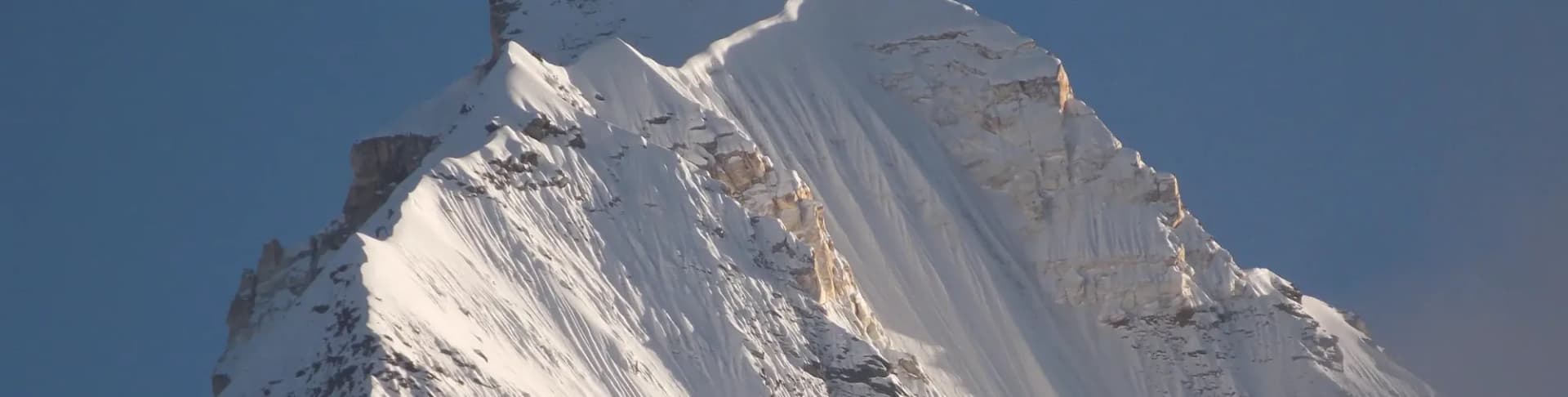
One of the most serious peaks in Himachal Pradesh. Involves traversing the extremely dangerous Tentu Col across heavily crevassed glacier.
Summit Day Notes
An extremely committing summit push. Very high serac and avalanche risk on the approach. Absolute guide mandatory. Grade D.
The Descent
Rappels mandatory on multiple sections. The descent is as dangerous as the ascent.
Preparation
Prior AD/D grade alpine experience mandatory. Rock and ice climbing experience essential.
Altitude Profile
Complex route involving multiple technical sections before the final summit pyramid.
Run AMS Risk Audit →Route Stress Forecast
Highest exposure point at 19,626ft.
Deep 4,866ft descent will test joint stability.
First major altitude jump occurs on Day 2.
*Forecast derived from route geometry and altitude profile. External variables (weather/group) remain the final authority.
Trail Performance Data
Max Gradient
55%
Hydration
1.5L per km recommended
Loose Surface Sections
- •Base camp to Summit is entirely loose scree and hard ice
Common Mistakes on Hanuman Tibba Expedition
Most injuries and failures on this trail can be avoided by making smarter decisions early on.
Attempting without D-grade alpine experience
Moving too slowly on the hazardous sections
Safety & Medical Risks
Key Risks
Fall on Tentu La 75–80° ice slope
Rockfall on loose approach gullies
AMS at ABC
Weather trap at Advance Camp
AMS (Altitude Sickness)
Rotation cycle to ABC and back to BC is critical. Do not commit to summit attempt without completing rotation.
Evacuation Route
Retreat to Beas Kund Base Camp. Trek to Dhundi for vehicle evacuation to Manali hospital.
Solo Trekking
Solo climbing is highly dangerous and not possible. Technical glacier travel, crevasse navigation, and steep ice climbing require a certified rope team.
Common Trail Ailments
🏥 Nearest ICU: Dr. RPGMC, Tanda / Fortis Hospital, Kangra
Tactical Emergency Hub
> Immediate vehicle evacuation back down to Keylong if AMS strikes at Base Camp.
Who Can Do This Trip?
Min Age
18+
Max Age
55
Western Toilets at Base
No
Solo Female Travelers
Must join an established, registered IMF expedition group.
Expert Verdict
Highly technical peak requiring physical and mental preparation.
Ready to book? Compare verified operators for Hanuman Tibba Expedition — transparent pricing, no paid rankings.
Want to know which operators carry certified guides and medical support? See operator safety ratings for Hanuman Tibba Expedition
Also on this trek
Still deciding?
Compare routes side-by-side to find the perfect match for your fitness, dates, and budget.
Still think it's doable? Share this with your trek mate and see if they agree.
Fit for the challenge?
For challenging treks, safety is paramount. Find operators prioritizing medical support and guide expertise.
Compare operator safety scores