
Explore
Intelligence
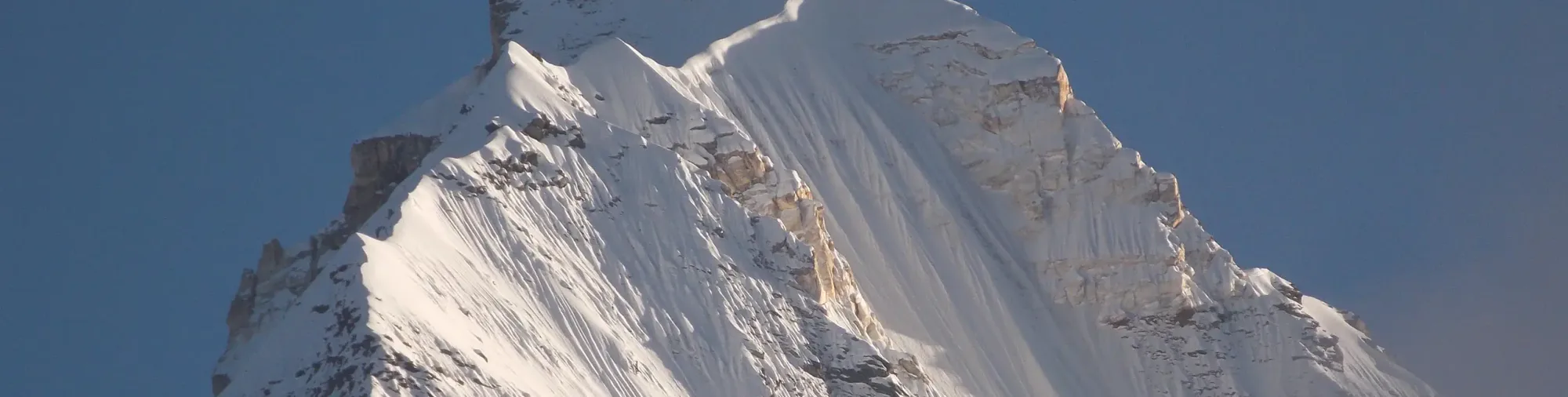
Difficulty & Readiness Guide
Is Hanuman Tibba Expedition Difficult? — Fitness & Altitude Guide
Grade D (Difficile) — the hardest Himachal Pradesh climbing objective in this altitude range. Requires Advanced Mountaineering skills and prior technical ice experience.
The Question
Can I do this trip?
Preparation Required
Advanced
Prior Experience
Required: At least 2-3 moderate Himalayan treks (above 13,000ft).
Expert Verdict
Highly technical peak requiring physical and mental preparation.
Expedition Grading Context
The 67/100 score reflects the physical endurance required for this expedition, which can be deceptive. While some 10-day treks score higher due to their length, this is a technical mountaineering peak that requires specialized skills.
Hanuman Tibba Expedition
Himalayan Placement · Index 67Route Knowledge
Why is it difficult?
Exertion Index
Primary Challenge
Route Identity
Long-duration high-altitude approach through glacial valleys and moraine terrain.
Primary Drivers
- Maximum sleeping altitude of 14,760 ft
- Grueling summit push with 4,866 ft of elevation gain
- 4 consecutive high-output trekking days
- Peak daily distance of 28 km
View Full Route Analysis
Physiological Demand
Expect long, exhausting days of sustained climbing at high intensity. Your cardiovascular system will be pushed to its absolute limit.
Extreme high altitude exposure. Severe oxygen depletion requires careful acclimatization and peak cardiovascular health.
Complex, dangerous terrain requiring technical skills, scrambling, and navigating high-consequence exposure zones.
Notable elevation gains and losses requiring good leg strength and joint resilience.
Comfortable pacing with good recovery options.
Terrain Breakdown
One of the most serious peaks in Himachal Pradesh. Involves traversing the extremely dangerous Tentu Col across heavily crevassed glacier.
Summit Day Notes
An extremely committing summit push. Very high serac and avalanche risk on the approach. Absolute guide mandatory. Grade D.
The Descent
Rappels mandatory on multiple sections. The descent is as dangerous as the ascent.
Altitude Profile
Complex route involving multiple technical sections before the final summit pyramid.
Run AMS Risk Audit →Trail Performance Data
Max Gradient
55%
Hydration
1.5L per km recommended
Loose Surface Sections
- •Base camp to Summit is entirely loose scree and hard ice
Personal Readiness
Am I ready?
What this route demands
People who feel comfortable on this expedition can usually:
Who Can Do This Trip?
Min Age
18+
Max Age
55
Western Toilets at Base
No
Solo Female Travelers
Must join an established, registered IMF expedition group.
Hazard Profile
What goes wrong?
Common Mistakes on Hanuman Tibba Expedition
Most injuries and failures on this trail can be avoided by making smarter decisions early on.
Attempting without D-grade alpine experience
Moving too slowly on the hazardous sections
Safety & Medical Risks
Key Risks
Fall on Tentu La 75–80° ice slope
Rockfall on loose approach gullies
AMS at ABC
Weather trap at Advance Camp
AMS (Altitude Sickness)
Rotation cycle to ABC and back to BC is critical. Do not commit to summit attempt without completing rotation.
Evacuation Route
Retreat to Beas Kund Base Camp. Trek to Dhundi for vehicle evacuation to Manali hospital.
Solo Trekking
Solo climbing is highly dangerous and not possible. Technical glacier travel, crevasse navigation, and steep ice climbing require a certified rope team.
Common Trail Ailments
🏥 Nearest ICU: Dr. RPGMC, Tanda / Fortis Hospital, Kangra
Tactical Emergency Hub
> Immediate vehicle evacuation back down to Keylong if AMS strikes at Base Camp.
Auditability
How is this calculated?
Understand This Route Further
Before attempting this route:
Still deciding?
Compare routes side-by-side to find the perfect match for your fitness, dates, and budget.
Still think it's doable? Share this with your trek mate and see if they agree.
Step 2: Seasonal Safety
You know how demanding this route is.
Now find the safest and most reliable season to attempt it.
Check Best Time to Go