
Explore
Intelligence
Difficulty & Readiness Guide
Is Gidara Bugyal Trek Difficult? — Fitness & Altitude Guide
Advanced-moderate; features punishingly steep ascents and a high-altitude ridge walk demanding excellent stamina.
The Question
Can I do this trek?
Preparation Required
Intermediate
Prior Experience
Recommended: 1-2 easy Himalayan treks or regular hiking experience.
Expert Verdict
Highly technical trek requiring physical and mental preparation.
Gidara Bugyal Trek
Himalayan Placement · Index 38Route Knowledge
Why is it difficult?
Exertion Index
Primary Challenge
Route Identity
Sustained multi-day trek requiring high cumulative endurance across consecutive days.
Primary Drivers
- Maximum sleeping altitude of 13,200 ft
- 4 consecutive high-output trekking days
- Sustained multi-day fatigue across 7 days
View Full Route Analysis
Physiological Demand
Multi-day camping requiring mental toughness to handle weather and fatigue debt.
Below the major effects of altitude sickness. Air remains relatively dense.
Comfortable pacing with moderate daily distances.
Rolling or gradual terrain with minimal harsh impact on joints.
Well-defined, stable trails with no technical maneuvers required.
Terrain Breakdown
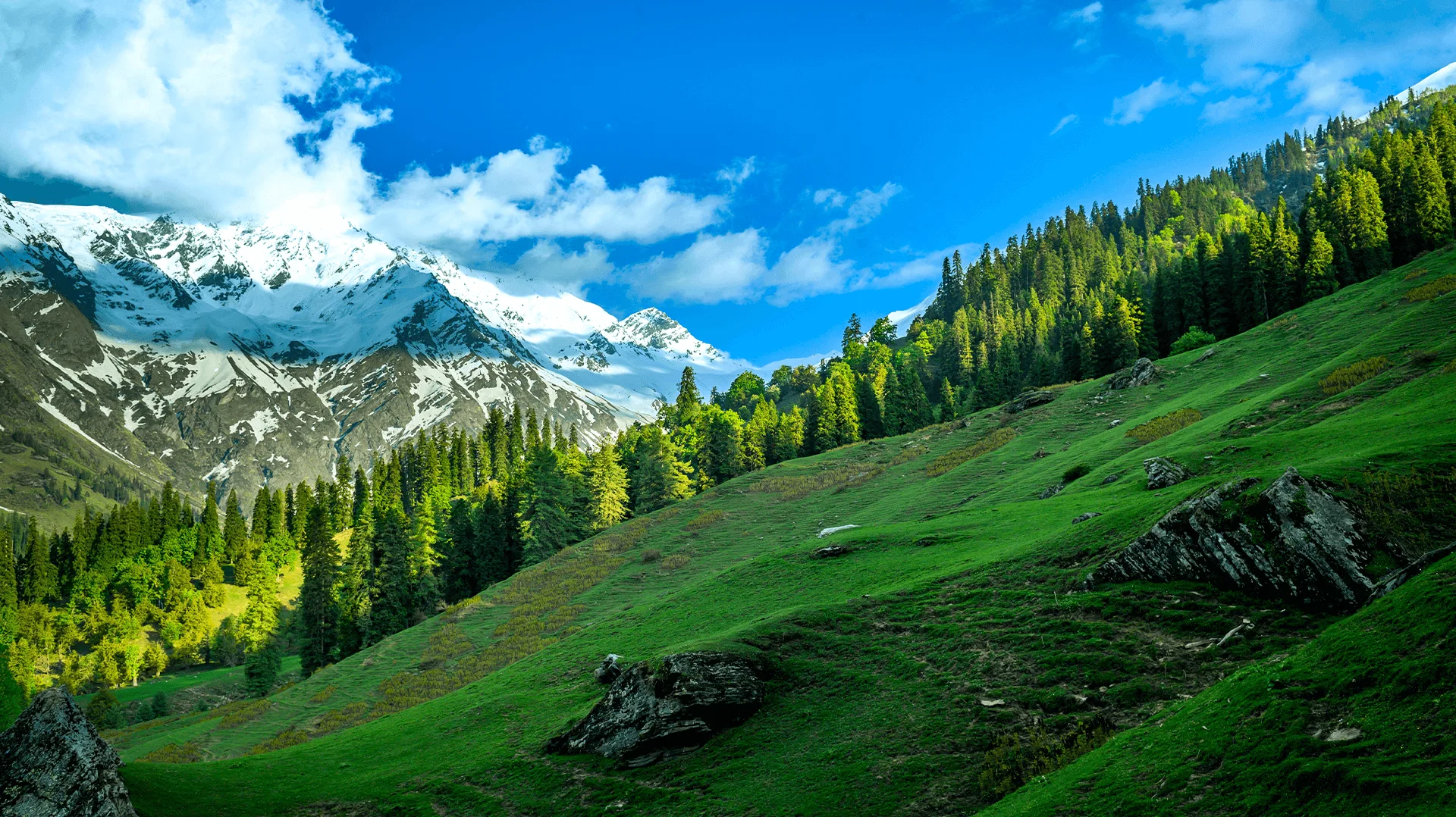
The forest sections are steep, muddy, and covered in slippery roots. The high bugyals are undulating but feature very steep ramparts to actually access the highest ridges.
Summit Day Notes
Gidara Top at 13,900 ft pushes this firmly out of 'beginner meadow' territory. The air is surprisingly thin, requiring a slow, measured ascent.
The Descent
Descending 3,000+ ft from Jeemara to Bhangeli through the forest is punishing on the quadriceps. Double trekking poles are practically mandatory to save your knees.
Altitude Profile
Rapid unbroken ascent profile maxing out very high at nearly 14,000 ft, meaning AMS is a legitimate hazard.
Run AMS Risk Audit →Trail Performance Data
Max Gradient
45%
Hydration
0.5L per km recommended
Loose Surface Sections
- •The descent from Jeemara to Bhangeli
Personal Readiness
Am I ready?
What this route demands
People who feel comfortable on this route can usually:
Who Can Do This Trek?
Min Age
14+
Max Age
50
Western Toilets at Base
Yes
Solo Female Travelers
Must join an organized group. Trail is too remote and devoid of people.
Hazard Profile
What goes wrong?
Common Mistakes on Gidara Bugyal Trek
Most injuries and failures on this trail can be avoided by making smarter decisions early on.
Bringing beginner fitness to an advanced-moderate trek simply because it says 'Bugyal'.
Running out of water on the high ridge.
Safety & Medical Risks
Key Risks
AMS at Dokrani/Thalot campsites
Severe knee sprains on descent
Hypothermia if a storm hits the exposed high ridges
AMS (Altitude Sickness)
Moderate to High. 13,900 ft is serious altitude. Headaches and nausea are common if ascents are rushed.
Evacuation Route
Manual mule-carry down back to Bhangeli. Due to the steepness, evacuation is a bone-jarring 8-hour process.
Solo Trekking
Highly discouraged. The area is massive, featureless in fog, and utterly devoid of other human groups to ask for help.
Common Trail Ailments
🏥 Nearest ICU: Uttarkashi District Hospital / AIIMS Rishikesh
Tactical Emergency Hub
> Stretchers are near impossible on the Bhangeli descent switchbacks.
Auditability
How is this calculated?
Understand This Route Further
Before attempting this route:
Still deciding?
Compare routes side-by-side to find the perfect match for your fitness, dates, and budget.
Still think it's doable? Share this with your trek mate and see if they agree.
Step 2: Seasonal Safety
You know how demanding this route is.
Now find the safest and most reliable season to attempt it.
Check Best Time to Go