We are currently vetting local partners for Dharansi Pass Trek to ensure the highest safety standards. Be the first to know when it's open for booking.
Are you a local operator?
Join our platform to list your verified packages for Dharansi Pass Trek and reach thousands of trekkers directly.
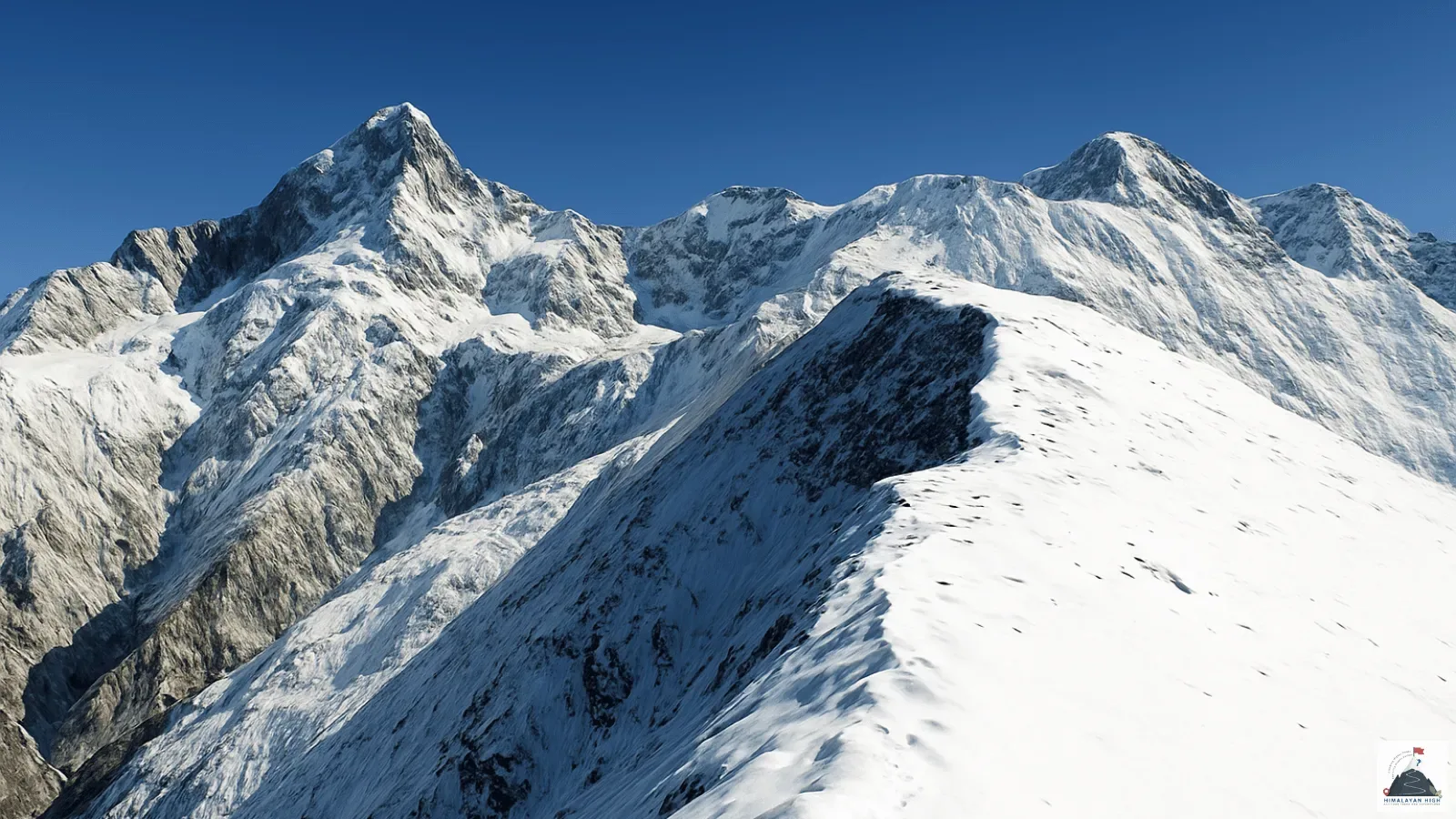
The Dharansi Pass Trek is a rare high-altitude expedition in the Nanda Devi Biosphere Reserve, traversing forests, alpine meadows, and rugged ridgelines to one of the finest viewpoints of the Nanda Devi Sanctuary. Access is strictly regulated, making it one of the most exclusive trekking experiences in the Garhwal Himalayas.
Trek Highlights
Dharansi Pass — Valley of Flowers Aerial Perspective
The single most powerful visual on this trek: looking directly DOWN from 16,800 ft at the 4 km Valley of Flowers carpet in full August bloom — a perspective that no standard Valley of Flowers visitor has ever seen. The Pushpawati river threads through the color below while Nanda Devi rises behind you.
Hemkund Sahib Lake (14,100 ft)
The perfectly still, high-altitude glacial lake at 14,100 ft with the Gurdwara at its shore and a ring of snow peaks reflected in the water — one of the most spiritually atmospheric sites in the Indian Himalaya.
Valley of Flowers Meadow (August Bloom)
The UNESCO-listed 4 km wildflower meadow at 11,000–12,000 ft — 300+ species in simultaneous bloom in August, the finest concentration of high-altitude wildflowers in the Indian Himalaya.
It is classified as a extreme trek. It takes 7 days and reaches a maximum altitude of 16800 ft. Trekkers should have steady cardiovascular endurance.
What is the risk of Acute Mountain Sickness (AMS) on the Dharansi Pass Trek?
Since the trail climbs up to 16800 ft, there is a distinct risk of AMS. Proper hydration, progressive pacing, and gradual acclimatization are highly advised.
When is the absolute best time to do Dharansi Pass Trek?
Best window is August–September — valley at full bloom, snowfield on pass manageable. July is possible but the snowfield is at its most demanding. June is early season with deep snow. October gives crystal clarity but the Valley flowers are past peak. Avoid November–May (park closed or deep snow on pass).
Will I get mobile network or internet connectivity during Dharansi Pass Trek?
Connectivity is highly sporadic. The last reliable mobile signal is at Lata Village has limited BSNL signal (voice calls only, intermittent). Complete blackout above the inner zone boundary gate on Day 4.. Expect complete digital isolation on the trail.
Where is the last reliable ATM before starting the Dharansi Pass Trek?
The last active ATM is located at Joshimath town. Carry full trek cash from Joshimath — Joshimath has no reliable ATM.. It is strongly recommended to withdraw sufficient cash at major transit hubs before starting.
Is the drinking water safe on the Dharansi Pass Trek trail?
Fresh stream water is abundant, but water treatment is mandatory. All stream water must be treated — Giardia risk from upstream grazing (pilgrim routes). Bhyundar creek on descent side cleaner but treat as precaution. Pump filter preferred over chemical tabs at altitude (tabs less effective below 10C).
Can I rent trekking gear at Lata Village (Nanda Devi Sanctuary base village)?
Rental options at Lata Village (Valley of Flowers / Hemkund base village) are extremely limited. It is best to rent or purchase all essential gear in major hubs before reaching the base.
What permits are required for the Dharansi Pass Trek?
Valley of Flowers National Park permit (₹150/day, obtained at Joshimath or Lata Village checkpoint) mandatory for all visitors. Additional Nanda Devi Biosphere inner zone permit required for the Dharansi ridge access (obtained at Forest Department office, Lata Village). Forest Department–authorized guide mandatory — private guides from outside the registered pool are not permitted inside the inner zone. Zero open fires, zero plastic waste — exit waste-weighing protocol enforced.
What is the emergency evacuation protocol on the Dharansi Pass Trek?
Helicopter from Joshimath helipad — 14 km on foot from Lata Village. From high camp: patient retrace to Lata Village (6–8 hrs manual) + chopper from Joshimath. From Bhyundar descent side (Day 6+): continue to Joshimath road (1 day faster than retracing). Joshimath hospital 3 hrs by road from Joshimath. AIIMS Rishikesh 9+ hrs. In case of extreme emergencies, helicopter evacuation can be coordinated if weather allows.
Where is the nearest specialized ICU or hospital for Dharansi Pass Trek?
The nearest specialized ICU is AIIMS Rishikesh (280 km, 9+ hrs from Joshimath). Joshimath District Hospital (limited facility, 30 mins from Joshimath by road — no ICU).. For minor injuries, the nearest primary health center is located at Lata Village seasonal medical post (staffed May–October, basic first aid only). Joshimath District Hospital (3 hrs from Joshimath by road — limited ICU)..
Is it safe to do the Dharansi Pass Trek as a solo female or solo traveler?
Illegal without a Forest Department–authorized guide in the inner zone. Beyond legality: the upper sanctuary trail is unmarked, the snowfield requires rope management in early season, and the Bhyundar descent has complex creek crossings that are disorienting in cloud. A competent guide is both legally mandatory and genuinely critical for safety. The local communities are exceptionally welcoming and hospitable, but having a guide is highly recommended.
Are foreign nationals allowed to do the Dharansi Pass Trek?
Yes, but foreign nationals require specialized inner line permits and a registered local agency/guide to join.
What kind of food is served during the Dharansi Pass Trek?
We serve highly nutritious, warm vegetarian meals suitable for high altitudes. You will also get to taste Hemkund Sahib Gurdwara langar — free communal meal at 14,100 ft. Dal, sabzi, and roti served to all pilgrims regardless of faith. Possibly the world's most extraordinary altitude dining experience. on the trail.
Are digital UPI/online payments accepted at the base village of Lata Village (Nanda Devi Sanctuary base village)?
While some local shops accept UPI at Lata Village (Valley of Flowers / Hemkund base village), connection is highly unreliable due to network dropouts. Make sure to carry physical cash.
What is the local cultural significance or folklore associated with Dharansi Pass Trek?
In Garhwali folk tradition, the Dharansi pass ridge is where the Flower Goddess (the deity of the Valley below) descends each June from the high snow peaks and spreads the valley bloom — the pass is called her 'seasonal gateway' (dharansi = doorway/threshold in the local usage). Local Mana village porters will not name her directly near the pass.
How difficult is the Dharansi Pass Trek?
It is classified as a extreme trek. It takes 7 days and reaches a maximum altitude of 16800 ft. Trekkers should have steady cardiovascular endurance.
What is the risk of Acute Mountain Sickness (AMS) on the Dharansi Pass Trek?
Since the trail climbs up to 16800 ft, there is a distinct risk of AMS. Proper hydration, progressive pacing, and gradual acclimatization are highly advised.
When is the absolute best time to do Dharansi Pass Trek?
Best window is August–September — valley at full bloom, snowfield on pass manageable. July is possible but the snowfield is at its most demanding. June is early season with deep snow. October gives crystal clarity but the Valley flowers are past peak. Avoid November–May (park closed or deep snow on pass).
Will I get mobile network or internet connectivity during Dharansi Pass Trek?
Connectivity is highly sporadic. The last reliable mobile signal is at Lata Village has limited BSNL signal (voice calls only, intermittent). Complete blackout above the inner zone boundary gate on Day 4.. Expect complete digital isolation on the trail.
Where is the last reliable ATM before starting the Dharansi Pass Trek?
The last active ATM is located at Joshimath town. Carry full trek cash from Joshimath — Joshimath has no reliable ATM.. It is strongly recommended to withdraw sufficient cash at major transit hubs before starting.
Is the drinking water safe on the Dharansi Pass Trek trail?
Fresh stream water is abundant, but water treatment is mandatory. All stream water must be treated — Giardia risk from upstream grazing (pilgrim routes). Bhyundar creek on descent side cleaner but treat as precaution. Pump filter preferred over chemical tabs at altitude (tabs less effective below 10C).
Can I rent trekking gear at Lata Village (Nanda Devi Sanctuary base village)?
Rental options at Lata Village (Valley of Flowers / Hemkund base village) are extremely limited. It is best to rent or purchase all essential gear in major hubs before reaching the base.
What permits are required for the Dharansi Pass Trek?
Valley of Flowers National Park permit (₹150/day, obtained at Joshimath or Lata Village checkpoint) mandatory for all visitors. Additional Nanda Devi Biosphere inner zone permit required for the Dharansi ridge access (obtained at Forest Department office, Lata Village). Forest Department–authorized guide mandatory — private guides from outside the registered pool are not permitted inside the inner zone. Zero open fires, zero plastic waste — exit waste-weighing protocol enforced.
What is the emergency evacuation protocol on the Dharansi Pass Trek?
Helicopter from Joshimath helipad — 14 km on foot from Lata Village. From high camp: patient retrace to Lata Village (6–8 hrs manual) + chopper from Joshimath. From Bhyundar descent side (Day 6+): continue to Joshimath road (1 day faster than retracing). Joshimath hospital 3 hrs by road from Joshimath. AIIMS Rishikesh 9+ hrs. In case of extreme emergencies, helicopter evacuation can be coordinated if weather allows.
Where is the nearest specialized ICU or hospital for Dharansi Pass Trek?
The nearest specialized ICU is AIIMS Rishikesh (280 km, 9+ hrs from Joshimath). Joshimath District Hospital (limited facility, 30 mins from Joshimath by road — no ICU).. For minor injuries, the nearest primary health center is located at Lata Village seasonal medical post (staffed May–October, basic first aid only). Joshimath District Hospital (3 hrs from Joshimath by road — limited ICU)..
Is it safe to do the Dharansi Pass Trek as a solo female or solo traveler?
Illegal without a Forest Department–authorized guide in the inner zone. Beyond legality: the upper sanctuary trail is unmarked, the snowfield requires rope management in early season, and the Bhyundar descent has complex creek crossings that are disorienting in cloud. A competent guide is both legally mandatory and genuinely critical for safety. The local communities are exceptionally welcoming and hospitable, but having a guide is highly recommended.
Are foreign nationals allowed to do the Dharansi Pass Trek?
Yes, but foreign nationals require specialized inner line permits and a registered local agency/guide to join.
What kind of food is served during the Dharansi Pass Trek?
We serve highly nutritious, warm vegetarian meals suitable for high altitudes. You will also get to taste Hemkund Sahib Gurdwara langar — free communal meal at 14,100 ft. Dal, sabzi, and roti served to all pilgrims regardless of faith. Possibly the world's most extraordinary altitude dining experience. on the trail.
Are digital UPI/online payments accepted at the base village of Lata Village (Nanda Devi Sanctuary base village)?
While some local shops accept UPI at Lata Village (Valley of Flowers / Hemkund base village), connection is highly unreliable due to network dropouts. Make sure to carry physical cash.
What is the local cultural significance or folklore associated with Dharansi Pass Trek?
In Garhwali folk tradition, the Dharansi pass ridge is where the Flower Goddess (the deity of the Valley below) descends each June from the high snow peaks and spreads the valley bloom — the pass is called her 'seasonal gateway' (dharansi = doorway/threshold in the local usage). Local Mana village porters will not name her directly near the pass.
Are you a local operator?
Join our platform to list your verified packages for this trek.