
Explore
Intelligence
Season & Weather Guide
Best Time for Bijli Mahadev to Naggar Forest Walk Trek — Month-by-Month Guide
April for rhododendron blooms and October for the Kullu Dussehra festival provide the most intense cultural and visual experience.
Seasonal Verdict
When should you go?
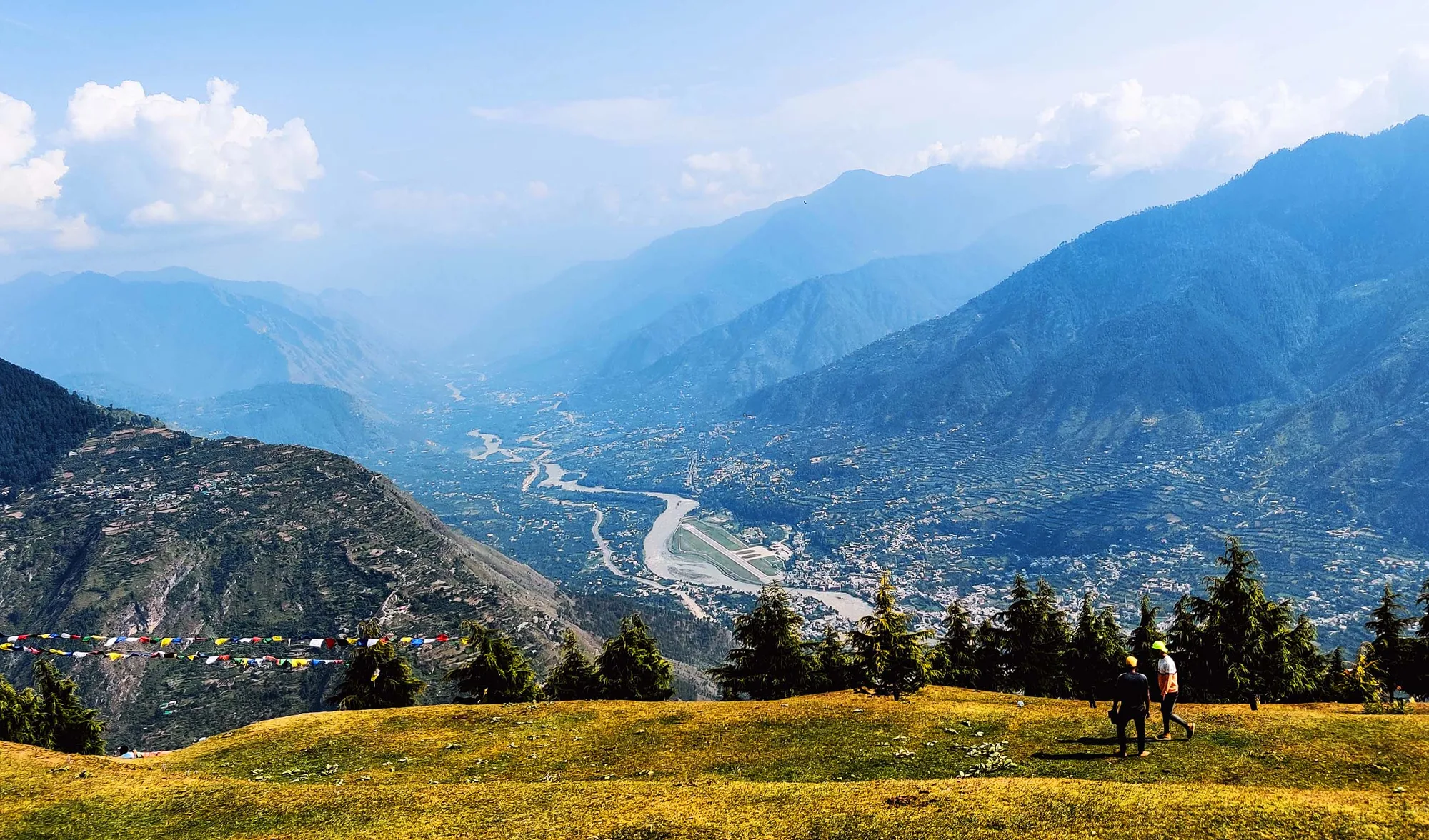
A lower-altitude heritage and forest walk in the Kullu Valley, connecting the ancient Naggar Castle area to the sacred Bijli Mahadev temple. Winding through dense pine and deodar forests, this trek is accessible almost year-round and offers a cultural immersion into Himachali village life alongside spectacular valley views.
Season at a Glance
Editor's Notes
Kullu Dussehra is the largest festival in Himachal Pradesh — 400+ village deity palanquins (raths) converge on the Kullu Dhalpur maidan over 7 days, creating an extraordinary living demonstration of the Kullu valley's distributed divine geography (each village has its own presiding deity). From the Bijli Mahadev summit or the Day 2 forest ridge, the Dhalpur maidan below is visible — and the sound of the nagaras (drums) accompanying the palanquin processions carries up to the ridge on a still October day. Planning the walk to coincide with the Dussehra opening day (Vijaya Dashami, typically in October) gives this gentle forest walk a cultural intensity matched by very few trekking programs anywhere in India.
Month by Month
What each month looks like
January
RecommendedConditions
A beautiful winter hike. The trail receives snow, creating a magical forest atmosphere, though the final ridge can be cold.
Crowds
low
Closed. Extreme winter conditions.
February
RecommendedConditions
Winter conditions persist. The snow-covered pine forests are serene and quiet.
Crowds
low
Closed. Extreme winter conditions.
March
Peak SeasonConditions
Spring begins. Snow melts and the apple orchards in the lower valleys begin to blossom.
Crowds
medium
Early season. Deep snow accumulations.
April
Peak SeasonConditions
Perfect spring weather. The forests are vibrant and the views of the Kullu valley are clear.
Crowds
high
Early season. Deep snow accumulations.
May
Peak SeasonConditions
Peak summer season. Very pleasant temperatures in the forest shade.
Crowds
high
Prime pre-monsoon window. Good snow stability.
June
Peak SeasonConditions
Warm and clear. A highly popular time for casual trekkers and families.
Crowds
high
Prime pre-monsoon window. Good snow stability.
July
Conditions
Monsoon hits Kullu. The forest trails become extremely muddy and slippery.
Crowds
low
Heavy monsoon rains and muddy trails.
Monsoon danger. Landslides and severe rains.
August
Conditions
Peak monsoon. Constant rain obscures views and raises the risk of minor landslides.
Crowds
none
Heavy monsoon rains and landslide risks.
Monsoon danger. Landslides and severe rains.
September
Peak SeasonConditions
The rains withdraw, leaving the forests washed clean and the valley exceptionally lush.
Crowds
medium
Crystal clear skies. Best visibility of the year.
October
Peak SeasonConditions
Crisp autumn air. Apple harvesting season in the valley. Flawless views of the distant snow peaks.
Crowds
high
Crystal clear skies. Best visibility of the year.
November
Peak SeasonConditions
Temperatures drop. A quiet, peaceful time to walk through the forests before winter sets in.
Crowds
medium
Winter setting in. Sub-zero temperatures rapid.
December
RecommendedConditions
Early winter. The first snows may dust the temple ridge.
Crowds
low
Closed. Extreme winter conditions.
Plan Your Trek:
Still deciding?
Compare routes side-by-side to find the perfect match for your fitness, dates, and budget.
Timing makes or breaks a trek. Send this to your group before you decide.
Step 3: Route Intelligence
You've chosen a season.
Now see exactly how the route unfolds day by day, including terrain types and daily altitude profiles.
Explore the Itinerary