
Explore
Intelligence
Summit Safety & Risk
Gupt Khal Expedition — Safety Guide
AMS thresholds, glacier hazards, summit day go/no-go decision framework, and emergency contacts.
Primary Hazards
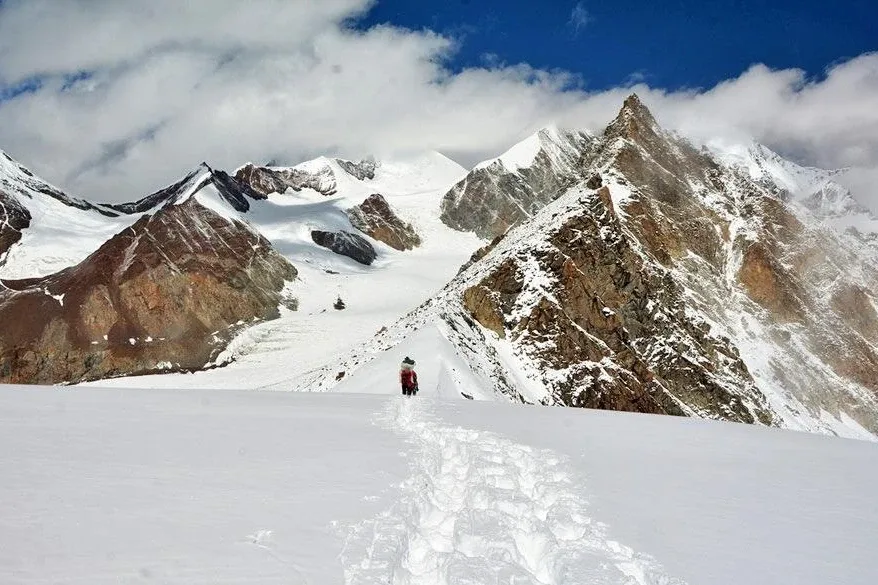
Crevasse fall on Bankund or Bhyundar glaciers
Severe Acute Mountain Sickness (HAPE/HACE)
Avalanche or icefall on the Gupt Khal headwall
Hypothermia/Frostbite during the 1:00 AM pass crossing
Historical Safety Record
We publish verified incident records to help trekkers and operators make informed decisions. Names and personal identifiers are anonymized.
Documented
12
verified incidents
Fatalities
2
recorded
Near Misses
15
logged
Mountaineering incidents are heavily underreported. The 12 records below represent documented cases only — they do not reflect the full historical picture of this route.
Fatal incidents have occurred on Gupt Khal Expedition
This route has recorded 2 fatal incidents. Review all incidents below, understand the lessons, and discuss your operator's safety protocols before booking.
Year
—
Unknown Incident
Outcome
No outcome recorded
Year
—
Unknown Incident
Outcome
No outcome recorded
Source: Anecdotal reports from Indian mountaineering agencies and IMF.
Why estimates differ from records: IMF and news sources only capture permitted expeditions and helicopter rescues. Non-fatal near-misses (AMS, frostbite, falls with self-rescue) are almost never filed. Peaks with multi-decade climbing histories compound these gaps significantly.
Glacier Hazards — Ratanban, Bankund, and Bhyundar Glaciers
Crevasse Zone
Snout of Ratanban
Crevasse Zone
Entire traverse of Bankund
Crevasse Zone
Descent from Gupt Khal
Avalanche Path
Gupt Khal Headwall couloirs
Bergschrund
A massive bergschrund often defends the final approach to the Gupt Khal headwall, requiring laddering or delicate snow-bridge crossing.
Altitude Physiology — SpO₂ by Camp
Ghamsali
92
SpO₂
Ratanban Camp
80
SpO₂
Gupt Khal Base
72
SpO₂
Turn-Around Threshold
SpO₂ < 65%
Descend immediately if reading drops below this at rest
Diamox (Acetazolamide)
Recommended
125mg twice daily, starting 24 hours before Ghamsali, under medical supervision.
⚠️ Golden Rule: Immediate descent at first sign of ataxia (loss of coordination) or resting shortness of breath. No exceptions.
Expedition Medical Kit
AMS Protocol
The sustained time spent above 15,000 ft makes AMS a constant threat. Daily O2 saturation monitoring is mandatory.
Emergency Contacts
Evacuation Route
Evacuation is a logistical nightmare. From Bankund side, stretcher carry to Ghamsali. From Bhyundar side, stretcher carry to Ghangaria.
Solo Advisory
Attempting this trek solo is extremely dangerous. This is an 'expedition-level' route requiring a certified team, rope work, and crevasse crossing skills.
Medical Evacuation Intelligence
Nearest ICU
AIIMS Rishikesh (14+ hours by road from Joshimath)
Blood Bank Hub
Dehradun / Rishikesh
O₂ Refill at Base
Not available
Insurance Requirements
Min Coverage
$100,000
Altitude Cover
20,000 ft
Heli Rescue
Required
Declare These Activities
Recommended Providers
Mandatory Operator Equipment
Verify this equipment is included before booking. Compare operator safety standards →
Plan Your Expedition:
Still deciding?
Compare routes side-by-side to find the perfect match for your fitness, dates, and budget.
Knowledge Integrity
Help us keep this data ground-truth accurate.
This encyclopedia entry for Gupt Khal Expedition is curated from a mix of public survey records, first-hand climber accounts, and official permit logs. However, mountains are dynamic. If you have been on this route recently and noticed a change in terrain, water availability, or local regulations, we want to hear from you.
Community Vetted
Last Verified: May 2026
EXPEDITION DATABASE
Step 5: Cost & Logistics
You understand the risks.
Now see what the IMF peak fees, logistics, and operator services actually cost.
View Cost Breakdown