

Dev Kyara Trek
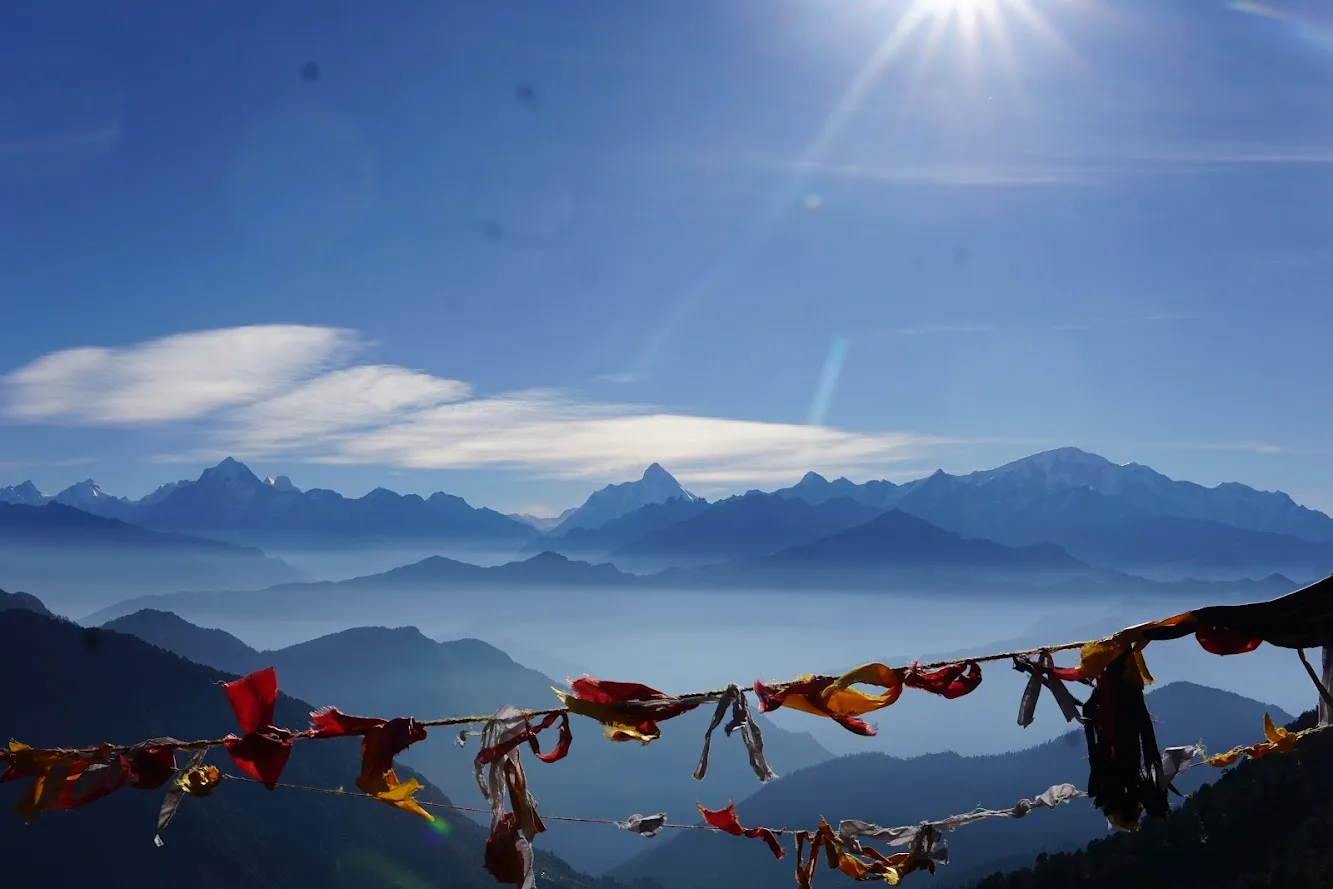
Rudranath Trek
Altitude Profile
Your Fitness Matchboard
Best For
Budget trekkers
Starts ₹1,500 cheaper at budget tier
Summit baggers
951ft higher peak altitude
Solitude seekers
Fewer crowds in peak season
Which trek is right for you?
Curated guidance · Not sponsoredDev Kyara
BEST SUITED FOR
- You want to experience the landscape of Uttarakhand
Rudranath
BEST SUITED FOR
- You want to experience the landscape of Uttarakhand
Month-by-Month Planner
Key Differences
Side-by-Side Facts
Safety & Rescue
Helicopter rescue
Available (Both)
Logistics
Gear rental
— (Both)
Drive to base
8 hrs
1 hrs
Experience
Prior trek needed
Required (Both)
Min age
16 yrs
10 yrs
Budget & Economics
Typical package cost
₹13,000 – ₹28,000
₹11,500 – ₹19,500
Trail Infrastructure
Mobile network
None above Jakhol.
Strong 4G at Sagar/Gopeshwar. Spotty Jio at Panar (viewpoint only). Zero connectivity at the main Rudranath shrine.
Western toilets
— (Both)
Technical Constraints
River crossings
Yes
—
Glacier crossing
Yes (Both)
Nature
Wildlife
Himalayan Monal, Mountain Goats
Musk Deer, Pika
Flora
Pine, Oak
Pink Rhododendron, Alpine Grasslands
Stargazing
Bortle 1 (Excellent dark sky) (Both)
Intelligence Breakdown
How we measure difficultyMethodologyDev Kyara Trek
Primarily a joint & muscle impact and altitude exposure challenge
Rudranath Trek
Primarily a cardio demand and joint & muscle impact challenge
Challenging daily distances and steady climbs. Good cardiovascular fitness is required.
Expect long, exhausting days of sustained climbing at high intensity. Your cardiovascular system will be pushed to its absolute limit.
Significant time spent above 12,000ft. Expect shortness of breath and slower pacing.
Significant time spent above 12,000ft. Expect shortness of breath and slower pacing.
Steep, punishing ascents and descents that will heavily tax your knees, ankles, and overall joint stability.
Steep, punishing ascents and descents that will heavily tax your knees, ankles, and overall joint stability.
Rough, uneven trails with occasional scrambling or minor exposure.
Rough, uneven trails with occasional scrambling or minor exposure.
Multi-day camping requiring mental toughness to handle weather and fatigue debt.
Multi-day camping requiring mental toughness to handle weather and fatigue debt.
Intelligence Verdict
"Dev Kyara Trek is harder due to joint & muscle impact, while Rudranath Trek demands more cardio demand."
Terrain & Trail Surface
Dev Kyara
Rudranath
What You'll See
People Also Compared
View full guide for
Dev Kyara Trek
View full guide for
Rudranath Trek