
Explore
Intelligence
Essential Planning Guide
Thamsar Pass Trek — Complete Guide (2026)
Vibe & Scenery
The Experience
Introduction
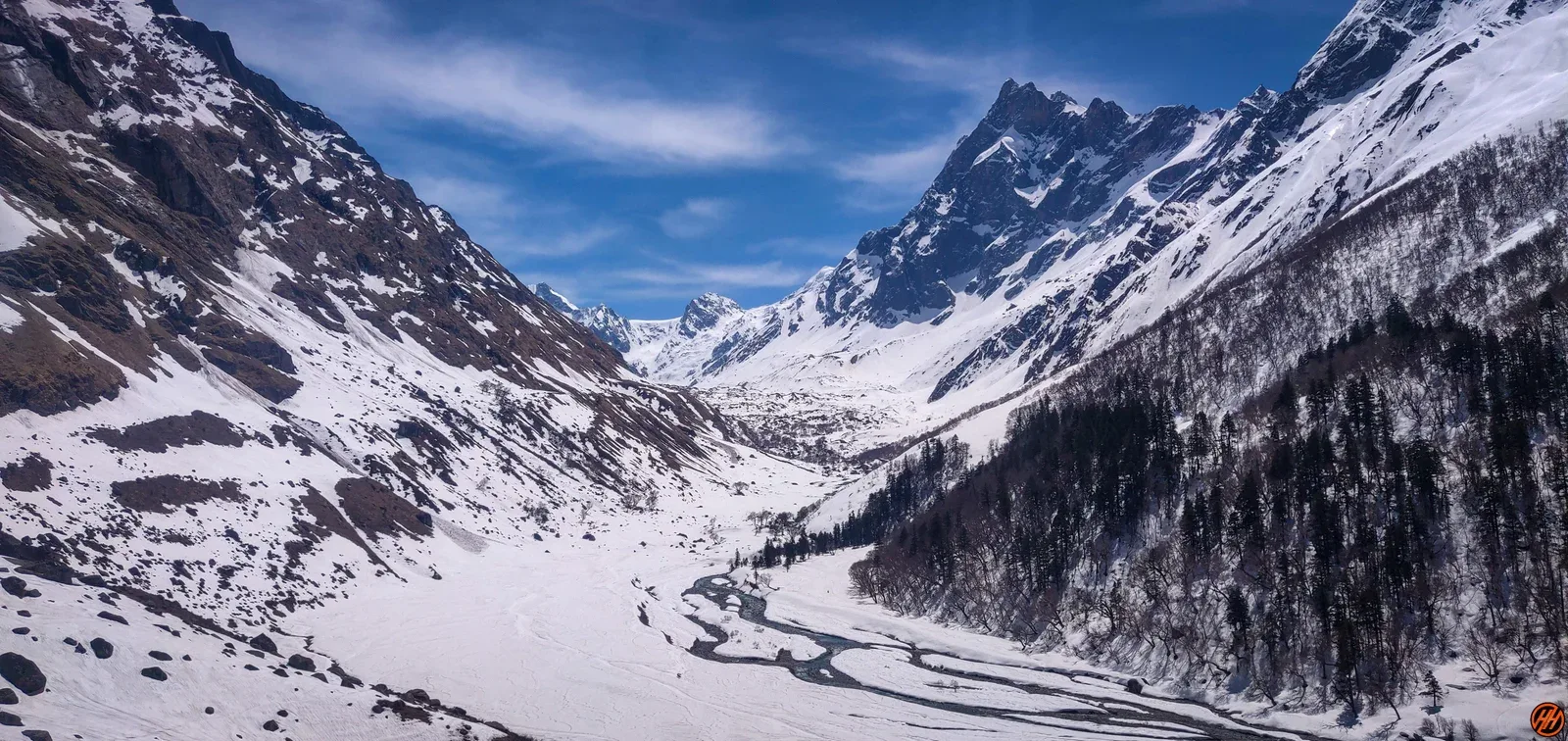
The Thamsar Pass Trek follows one of the principal mountain crossings used by Gaddi shepherds between the Kangra Valley and the isolated settlement of Bara Bhangal. Beginning near Bir, the trail ascends through forests, alpine meadows, and glacial valleys before reaching Thamsar Pass at approximately 15,500 ft.
Beyond the pass, the landscape changes dramatically as the route descends into the rugged terrain surrounding Bara Bhangal, one of Himachal Pradesh's most remote inhabited villages. Snowfields, moraines, glacial streams, and expansive mountain views define much of the expedition.
Because of its long trekking days, sustained altitude, and demanding terrain, Thamsar Pass is recommended for experienced trekkers with good endurance and prior Himalayan trekking experience.
Quick Facts
Duration
Max Altitude
Difficulty
Best Time
Trek Distance
Trail Atmosphere
Stargazing
Class 1 Dark Sky
Scent Profile
Silence Level
~5 dB
Vertigo Factor
5 / 10
Iconic Spots
The Void
Environment
Nature & Culture
Flora & Fauna
Flora
Fauna
The Gaddi shepherds believe the glacier at Thamsar is a living entity that must be placated with silence and sacrifices; loud noises are strictly forbidden near the ice.
— Local folklore
Spiritual & Cultural Significance
A vital survival route historically worshipped by isolationist tribes.
🕐 Shrine Timings: N/A
Temple Protocols
Technical Details
Challenge & Preparation
Primarily a cardio demand and cumulative fatigue challenge
A demanding expedition dominated by extreme cardio demand.
Personal Readiness
Am I ready?
Planning
Logistics & Trail Intel
Getting There
Route to Base
Overnight Volvo bus from Delhi directly to Bir
Base Village
Bir
5,000 ft
Nearest Railhead
Pathankot / Joginder Nagar
Nearest Airport
Kangra (Gaggal)
Last ATM
Bir/Baijnath
Nearest Medical Facility
Baijnath Civil Hospital
Mobile Signal
Drops entirely on Day 1.
Water Sources
Rivers and glacial melt.
Charging
Zero.
For Drivers
Road Condition
Starts and ends directly in Bir.
Bir
Trail Culinary & Diet
Don't miss the N/A
Buy specialized diet items at Bir
The Content & Remote Hub
Top Vlog Spots
Video Calls
none
Est. 0 Mbps
UPI Reliability
1/10
Base WiFi Available
Permits and Regulations
Must obtain deep-forest trekking permits from the Dharamshala forest division (Kangra) and a police NOC, as the route borders highly sensitive and isolated tribal lands.
Learn more about how we vet operators and ensure transparency on our why MountRoutes page.
Packing List
Glacial Defense Setup
- 12-point Crampons (Microspikes are insufficient for the hard ice on the northern face)
- Mountaineering ice axe (For self-arrest and step-cutting)
- Category 4 Polarized Glacier Glasses
Isolation Protocol
- Four-season expedition tent (Winds at Thamsar basecamp frequently snap 3-season poles)
- Water filtration system (Glacial runoff carries heavy grit)
Deep Dives
Explore Further
Editor's Notes
The northern face is pure ice inside a shadow. Crampons are not an option; they are the only thing keeping you from sliding 2,000 feet into the gorge.
Explore In Detail
Day by Day Itinerary
8-day route reaching 15,500ft. Covers 119km of varied terrain.
→ See full itinerary with altitude profileDifficulty & Fitness
Rated challenging. Glaciated, crevassed, and brutally steep. The canyon walls dropping into Bara Bhangal are near-vertical dirt switchbacks.
→ See difficulty breakdown and fitness guideCost & Pricing
Packages range from ₹24,000 - ₹60,000. Inclusions and hidden costs vary by operator tier.
→ See full cost breakdownFrequently Asked Questions
Is this part of the Bara Bhangal Traverse?
Yes. Thamsar is the southern (Kangra side) gateway. Many trekkers do Thamsar as an 8-day independent trek—hiking to the pass, dropping down to see the village, and retracing their steps back to Bir.
How dangerous is the glacier?
Highly dangerous in early summer when snow bridges hide deep crevasses. By September, the ice is visible, making it safer but requiring crampons.
Can I do this trek unguided?
Absolutely not. The glacier travel requires technical route-finding and roped team movement.
Are there river crossings?
Yes. The approaches in the Uhl valley have sections where the historic bridges routinely wash away, requiring cold, fast-water fording.
Is there mobile signal?
Signal dies completely a few hours past Rajgundha on Day 1. There is a total blackout for the rest of the trek.
Can mules carry our gear?
Mules can reach the high basecamps. Only specialized high-altitude mules can occasionally clear the pass in optimal late-summer conditions; otherwise, you need human porters.
Is the descent into Bara Bhangal steep?
Extremely. It plunges over 4,000 feet from the pass to the village on loose scree and dirt.
Will we see wildlife?
Himalayan Monal pheasants are common lower down, and Ibex frequently roam the high moraines. Bears inhabit the deep forest belts.
Why is the pass culturally significant?
For generations, Thamsar was the only way for the Bara Bhangal locals to bring their sheep to market in Kangra before the heavy winter snows sealed them in.
Is AMS a big risk here?
Yes. Gaining 15,500 feet requires disciplined acclimatization, typically taken over 3-4 days of gradual elevation gain from Bir.
Still deciding?
Compare routes side-by-side to find the perfect match for your fitness, dates, and budget.
Everything you need to know, in one place. Someone else in your group needs to see this.
Planning Thamsar Pass Trek?
Get route conditions, operator updates, and season windows before booking.
Don't miss out! Follow us for route updates@mountroutes|LinkedIn
No spam. Only useful trek updates.
Ready to walk this route?
You’ve read the guide, now find the perfect local team to take you there. Compare our verified list of operators.
Compare verified operators