Thamsar Pass Trek — compare operators and pricing

Compare operators for Thamsar Pass Trek

Himachal PradeshExtreme

Interested in this trek?

We are currently vetting local partners for Thamsar Pass Trek to ensure the highest safety standards. Be the first to know when it's open for booking.

Are you a local operator?

Join our platform to list your verified packages for Thamsar Pass Trek and reach thousands of trekkers directly.

Apply to join

Found the right operator? Share this list with whoever's coming with you.

About Thamsar Pass Trek

8 Days
15,500 FT
Extreme

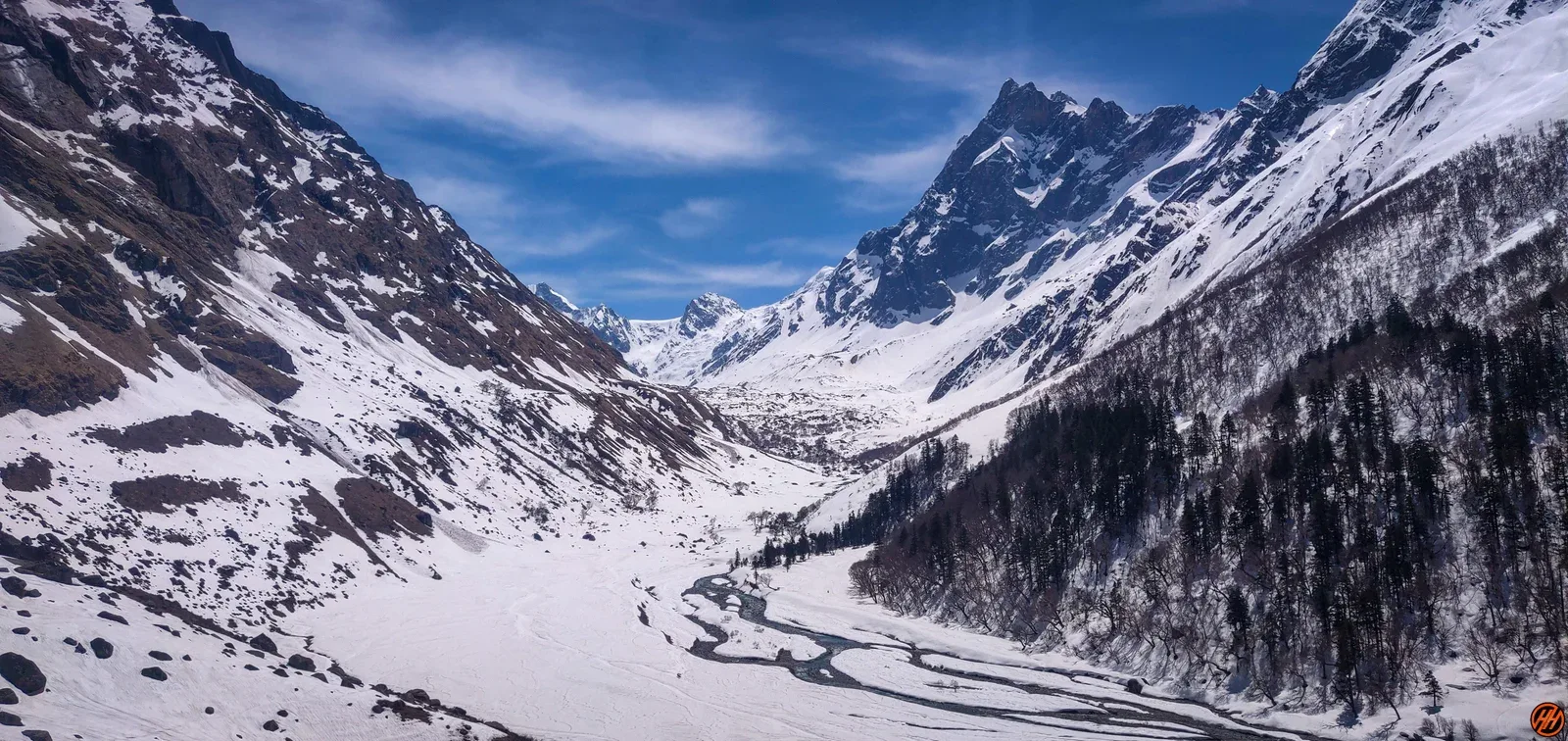
Connecting the Kangra valley to the remote Bara Bhangal village. Thamsar Pass (15,700 ft) is a hard, high-altitude crossover through the Dhauladhar range. It offers a majestic view of the high peaks of Chamba and the rugged river gorges of the Uhl river.

Trek Highlights

The Void

Standing on the Thamsar ice headwall, staring straight down 7,000 feet into the abyss of the upper Ravi gorge.

View Complete Trek Guide

Common Questions

Is this part of the Bara Bhangal Traverse?
Yes. Thamsar is the southern (Kangra side) gateway. Many trekkers do Thamsar as an 8-day independent trek—hiking to the pass, dropping down to see the village, and retracing their steps back to Bir.
How dangerous is the glacier?
Highly dangerous in early summer when snow bridges hide deep crevasses. By September, the ice is visible, making it safer but requiring crampons.
Can I do this trek unguided?
Absolutely not. The glacier travel requires technical route-finding and roped team movement.
Are there river crossings?
Yes. The approaches in the Uhl valley have sections where the historic bridges routinely wash away, requiring cold, fast-water fording.
Is there mobile signal?
Signal dies completely a few hours past Rajgundha on Day 1. There is a total blackout for the rest of the trek.
Can mules carry our gear?
Mules can reach the high basecamps. Only specialized high-altitude mules can occasionally clear the pass in optimal late-summer conditions; otherwise, you need human porters.
Is the descent into Bara Bhangal steep?
Extremely. It plunges over 4,000 feet from the pass to the village on loose scree and dirt.
Will we see wildlife?
Himalayan Monal pheasants are common lower down, and Ibex frequently roam the high moraines. Bears inhabit the deep forest belts.
Why is the pass culturally significant?
For generations, Thamsar was the only way for the Bara Bhangal locals to bring their sheep to market in Kangra before the heavy winter snows sealed them in.
Is AMS a big risk here?
Yes. Gaining 15,500 feet requires disciplined acclimatization, typically taken over 3-4 days of gradual elevation gain from Bir.
Is this part of the Bara Bhangal Traverse?
Yes. Thamsar is the southern (Kangra side) gateway. Many trekkers do Thamsar as an 8-day independent trek—hiking to the pass, dropping down to see the village, and retracing their steps back to Bir.
How dangerous is the glacier?
Highly dangerous in early summer when snow bridges hide deep crevasses. By September, the ice is visible, making it safer but requiring crampons.
Can I do this trek unguided?
Absolutely not. The glacier travel requires technical route-finding and roped team movement.
Are there river crossings?
Yes. The approaches in the Uhl valley have sections where the historic bridges routinely wash away, requiring cold, fast-water fording.
Is there mobile signal?
Signal dies completely a few hours past Rajgundha on Day 1. There is a total blackout for the rest of the trek.
Can mules carry our gear?
Mules can reach the high basecamps. Only specialized high-altitude mules can occasionally clear the pass in optimal late-summer conditions; otherwise, you need human porters.
Is the descent into Bara Bhangal steep?
Extremely. It plunges over 4,000 feet from the pass to the village on loose scree and dirt.
Will we see wildlife?
Himalayan Monal pheasants are common lower down, and Ibex frequently roam the high moraines. Bears inhabit the deep forest belts.
Why is the pass culturally significant?
For generations, Thamsar was the only way for the Bara Bhangal locals to bring their sheep to market in Kangra before the heavy winter snows sealed them in.
Is AMS a big risk here?
Yes. Gaining 15,500 feet requires disciplined acclimatization, typically taken over 3-4 days of gradual elevation gain from Bir.

Are you a local operator?

Join our platform to list your verified packages for this trek.

Apply to join

Planning Thamsar Pass Trek?

Get route conditions, operator updates, and season windows before booking.

Don't miss out! Follow us for route updates@mountroutes

No spam. Only useful trek updates.