Saru Tal Trek — compare operators and pricing

Compare operators for Saru Tal Trek

UttarakhandChallenging

Interested in this trek?

We are currently vetting local partners for Saru Tal Trek to ensure the highest safety standards. Be the first to know when it's open for booking.

Are you a local operator?

Join our platform to list your verified packages for Saru Tal Trek and reach thousands of trekkers directly.

Apply to join

Found the right operator? Share this list with whoever's coming with you.

About Saru Tal Trek

8 Days
13,615 FT
Challenging

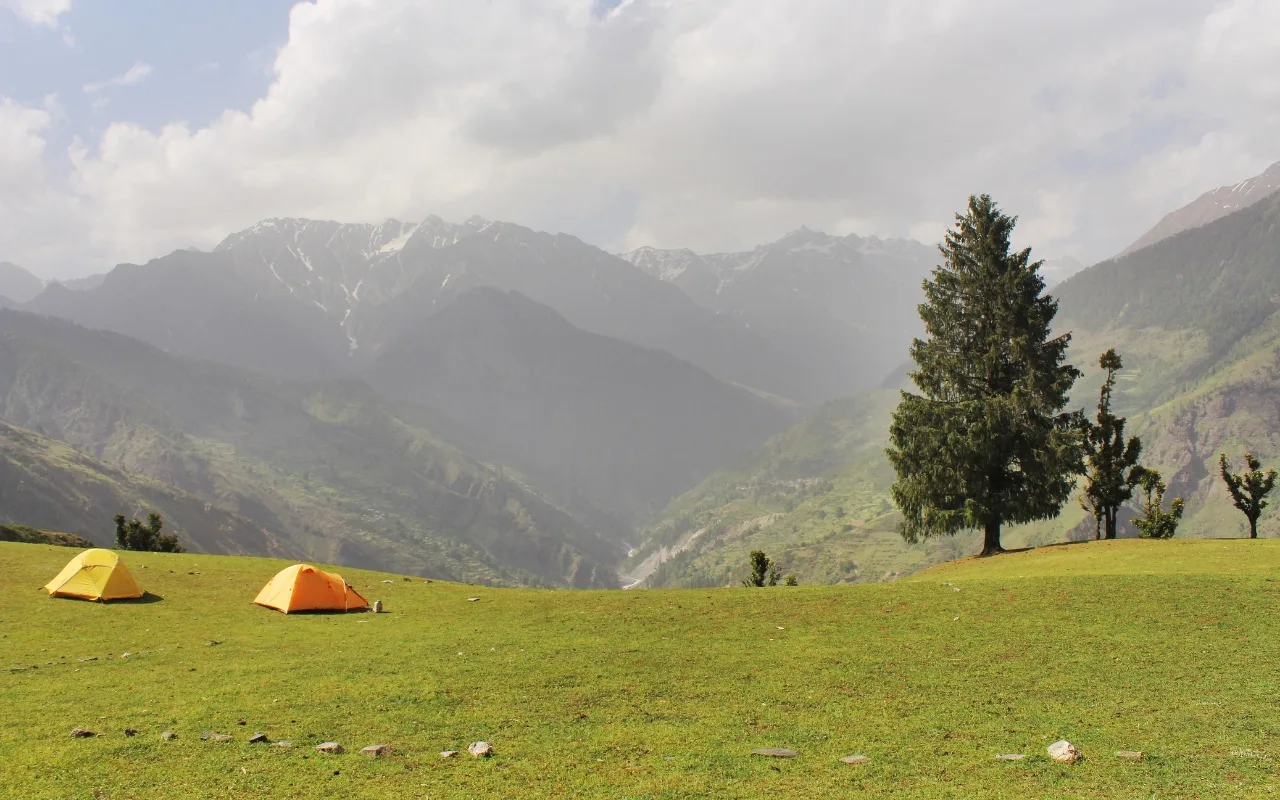
The Saru Tal Trek leads to a pristine glacial lake deep within Govind Pashu Vihar National Park. Passing through dense forests, alpine meadows, high ridges, and remote camping grounds, the route culminates at Saru Tal beneath the towering peaks of Swargarohini, Black Peak, and Bandarpoonch. It is a rewarding wilderness trek for experienced hikers seeking solitude beyond Uttarakhand's popular trails.

Trek Highlights

Kedarkantha Summit (Dawn)

Standing at 12,500 ft as the sun rises, illuminating 360-degrees of Himalayan peaks.

Saru Tal Basin

The surreal, isolated glacial lake reflecting the towering peaks of the Swargarohini massif.

View Complete Trek Guide

Common Questions

How difficult is the Saru Tal Trek?
It is graded as Moderate-to-Difficult. While the initial days mimic the easy Kedarkantha route, the push beyond Dunda Thach toward Saru Tal involves steep, continuous ascents and exposed ridge walks at high altitudes.
Is this trek suitable for beginners?
No. Due to the total distance (over 50 km), the max altitude of 13,615 ft, and the remote nature of the final camps, prior Himalayan trekking experience (at least one high-altitude pass) is highly recommended.
How cold does it get at Saru Tal?
During the peak trekking months of May and October, nighttime temperatures at the higher camps (Taloti Thach, Saru Tal) routinely drop below freezing, often reaching -5°C to -10°C.
Will we encounter snow?
If trekking in late May, June, or October, expect substantial snow patches near the Kedarkantha summit and heavily banked snow around the Saru Tal basin.
What is the risk of AMS on this trek?
Moderate to High. The trek involves sleeping above 11,000 feet for multiple nights. Proper acclimatization, slow pacing, and hydration are crucial.
Is mobile network available?
You will have a patchy network (BSNL/Jio) at Sankri base camp. Beyond Juda Ka Talab (Day 2), expect a complete dead zone for the next 5 days.
Do we need specialized mountaineering gear like ropes and ice axes?
Usually, no. However, in heavy snow conditions (early May or late November), your guide may carry ropes for safety on the exposed ridges, and microspikes are mandatory.
Can I do this trek without a guide?
Absolutely not. Beyond Kedarkantha, the trail to Saru Tal is largely unmarked, heavily forested in sections, and crisscrossed by confusing shepherd trails. A certified local guide is mandatory.
How difficult is the Saru Tal Trek?
It is graded as Moderate-to-Difficult. While the initial days mimic the easy Kedarkantha route, the push beyond Dunda Thach toward Saru Tal involves steep, continuous ascents and exposed ridge walks at high altitudes.
Is this trek suitable for beginners?
No. Due to the total distance (over 50 km), the max altitude of 13,615 ft, and the remote nature of the final camps, prior Himalayan trekking experience (at least one high-altitude pass) is highly recommended.
How cold does it get at Saru Tal?
During the peak trekking months of May and October, nighttime temperatures at the higher camps (Taloti Thach, Saru Tal) routinely drop below freezing, often reaching -5°C to -10°C.
Will we encounter snow?
If trekking in late May, June, or October, expect substantial snow patches near the Kedarkantha summit and heavily banked snow around the Saru Tal basin.
What is the risk of AMS on this trek?
Moderate to High. The trek involves sleeping above 11,000 feet for multiple nights. Proper acclimatization, slow pacing, and hydration are crucial.
Is mobile network available?
You will have a patchy network (BSNL/Jio) at Sankri base camp. Beyond Juda Ka Talab (Day 2), expect a complete dead zone for the next 5 days.
Do we need specialized mountaineering gear like ropes and ice axes?
Usually, no. However, in heavy snow conditions (early May or late November), your guide may carry ropes for safety on the exposed ridges, and microspikes are mandatory.
Can I do this trek without a guide?
Absolutely not. Beyond Kedarkantha, the trail to Saru Tal is largely unmarked, heavily forested in sections, and crisscrossed by confusing shepherd trails. A certified local guide is mandatory.

Are you a local operator?

Join our platform to list your verified packages for this trek.

Apply to join
MountRoutes Dispatch

Planning Saru Tal Trek?

Get route conditions, operator updates, and season windows before booking.

Don't miss out! Follow us for route updates@mountroutes|LinkedIn

No spam. Only useful trek updates.

Explore Collections

Not sure where to go next?

View all