
Explore
Intelligence
Essential Planning Guide
Sahastra Tal Trek — Complete Guide (2026)
Vibe & Scenery
The Experience
Introduction
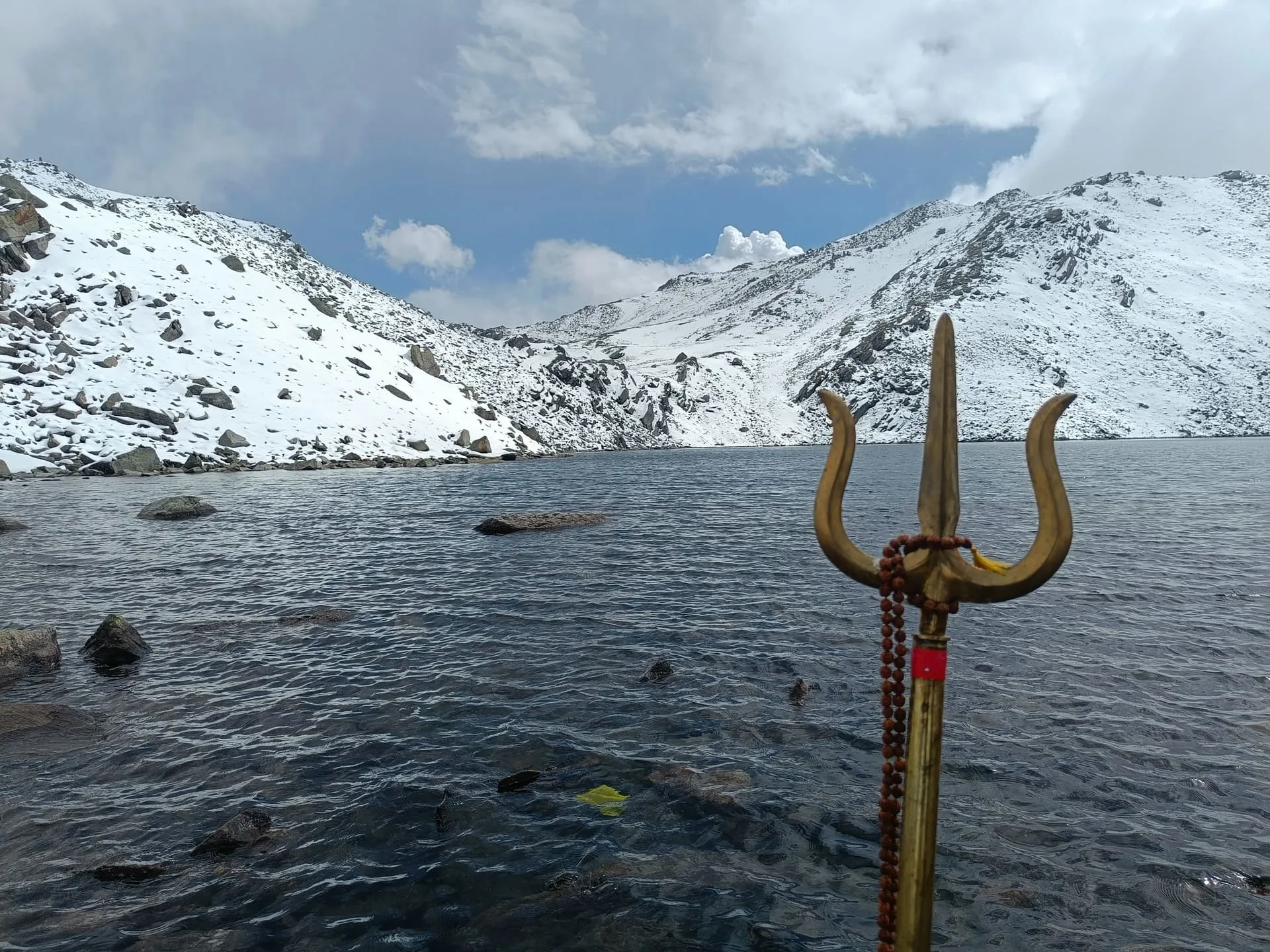
The Sahastra Tal Trek explores one of the least-visited high-altitude lake regions in Uttarakhand. Meaning "Lake of a Thousand Lakes," Sahastra Tal refers to a glaciated plateau scattered with numerous small alpine lakes surrounded by rugged mountain terrain.
The journey passes through expansive bugyals including Kush Kalyan and Kyarki before climbing above the treeline into rocky alpine landscapes where the lakes are found. Long trekking days, remote campsites, and sustained altitude make this a physically demanding expedition.
Suitable for experienced trekkers looking beyond Uttarakhand's better-known routes, Sahastra Tal combines remote wilderness, alpine meadows, and one of the state's most distinctive high-altitude lake systems.
Quick Facts
Duration
Max Altitude
Difficulty
Best Time
Trek Distance
Trail Atmosphere
Stargazing
Class 1 Dark Sky
Scent Profile
Silence Level
~5 dB
Vertigo Factor
2 / 10
Iconic Spots
Kush Kalyan Bugyal
Sahastra Tal Lake Complex
Mt. Jaonli Viewpoint
Environment
Nature & Culture
Flora & Fauna
Flora
Fauna
Legend says King Sahastrabahu performed penance here, dedicating a thousand lotus flowers to Lord Vishnu.
— Local folklore
Spiritual & Cultural Significance
Sahastra Tal means 'Thousand Lakes'. It is considered highly sacred and is visited by locals for ritual bathing.
🕐 Shrine Timings: N/A
Temple Protocols
- •No leather items near the sacred lakes
- •No loud noises or pollution at the high lakes
Technical Details
Challenge & Preparation
Primarily a cardio demand and cumulative fatigue challenge
A demanding expedition with extreme cardio demand and cumulative fatigue.
Personal Readiness
Am I ready?
Planning
Logistics & Trail Intel
Getting There
Route to Base
Take a bus or shared taxi from Dehradun/Rishikesh to Uttarkashi, then continue to Bhatwari
Base Village
Bhatwari
6,561 ft
Nearest Railhead
Dehradun
Nearest Airport
Jolly Grant, Dehradun
Nearest Medical Facility
Bhatwari PHC / Uttarkashi District Hospital
Mobile Signal
BSNL may work sporadically at high ridges like Kush Kalyan, but expect zero network.
Water Sources
Abundant streams until Lamb Tal. The final push is rocky.
Charging
None after Bhatwari.
For Drivers
Road Condition
The drive from Dehradun via Uttarkashi to Bhatwari is mostly paved but prone to landslides during monsoons.
Uttarkashi
Trail Culinary & Diet
Don't miss the Garhwali Mandua (Ragi) Roti at base villages
Buy specialized diet items at Uttarkashi
The Content & Remote Hub
Top Vlog Spots
Video Calls
none
Est. 0 Mbps
UPI Reliability
2/10
Permits and Regulations
Strict regulatory framework enforced by Uttarakhand Government post-2024.
Learn more about how we vet operators and ensure transparency on our why MountRoutes page.
Packing List
Clothing
- 3 moisture-wicking thermal base layers
- 2 mid-layer fleece jackets
- 1 heavy down/padded jacket (-15°C rated)
- Waterproof outer shell jacket
- Insulated waterproof trek pants
- Thermal leggings (2 pairs)
- 3 pairs merino wool socks
- Balaclava and buff/neck gaiter
- Warm waterproof gloves + liner gloves
Footwear
- High-ankle waterproof trekking boots (broken in)
- Camp sandals or lightweight shoes for Sankri guesthouse
- Micro-spikes or crampons (rental available)
- Waterproof gaiters
Gear & Safety
- Trekking poles (essential for summit day)
- 40L daypack with rain cover
- Headlamp with 2 extra sets of batteries
- Sunglasses (UV400, polarised)
- Sun hat and woolen cap
- Personal first-aid kit
- Altitude sickness medication (Diamox — consult a doctor)
- Hydration bladder or 1L insulated water bottle
Deep Dives
Explore Further
Editor's Notes
Explore In Detail
Best Time to Visit
Best from May – Jun, Sep – Oct. May to June, September to October
→ See month-by-month season guideDay by Day Itinerary
9-day route reaching 16,404ft. Covers 42km of varied terrain.
→ See full itinerary with altitude profileDifficulty & Fitness
Rated challenging. The trail transitions from thick pine forests to massive rolling meadows at Kush Kalyan, and finally to rocky, glacial moraines near the high lakes.
→ See difficulty breakdown and fitness guideCost & Pricing
Packages range from INR 18,000 - 25,000. Inclusions and hidden costs vary by operator tier.
→ See full cost breakdownFrequently Asked Questions
Is Sahastra Tal suitable for beginners?
No. Sahastra Tal is a difficult, high-altitude trek reaching 5,000m with long 18km walking days. It is strictly for experienced trekkers.
Are there leeches on the trail?
If you trek right after the monsoon in September, you might encounter leeches in the lower forest sections near Bhatwari.
Do I need a local guide?
Yes. The trail is highly remote, un-marked in the upper reaches, and volatile weather can cause whiteouts. A local guide from Bhatwari is essential.
Will I get mobile network on the trek?
No. You will lose network completely shortly after leaving Bhatwari. Expect 7-8 days of absolute disconnection.
What is the AMS risk?
High. You are sleeping above 4,000m for multiple nights. Follow the itinerary strictly to acclimatize at Kush Kalyan and Kyarki.
What makes the Sahastra Tal trek difficult?
The difficulty of Sahastra Tal lies in its steep, relentless ascents, long walking days, lack of defined trails in the upper reaches, and traversing narrow, rocky ridges at high altitudes.
What is the best season to visit Sahastra Tal?
The ideal time for the Sahastra Tal trek is during the post-monsoon months of September and October when the skies are clear and the meadows are lush. June is also good, though you may encounter more snow.
How many lakes can be seen during the Sahastra Tal trek?
As the name 'Sahastra' (meaning thousand) suggests, the region is dotted with numerous pristine alpine lakes. Trekkers typically encounter 5 to 7 major lakes, including Darshan Tal, Pari Tal, and Bhim Tal.
Do I need prior high-altitude experience for Sahastra Tal?
Yes, prior high-altitude trekking experience is highly recommended. You should have completed at least one moderate-to-hard Himalayan trek to ensure you can handle the endurance and altitude requirements.
What is the maximum altitude reached during the Sahastra Tal trek?
The trek takes you to a maximum altitude of approximately 4,600 meters (15,091 feet) at the main Sahastra Tal lake, offering magnificent views of peaks like Mount Kalanag and Bandarpunch.
Still deciding?
Compare routes side-by-side to find the perfect match for your fitness, dates, and budget.
Everything you need to know, in one place. Someone else in your group needs to see this.
Planning Sahastra Tal Trek?
Get route conditions, operator updates, and season windows before booking.
Don't miss out! Follow us for route updates@mountroutes|LinkedIn
No spam. Only useful trek updates.
Ready to walk this route?
You’ve read the guide, now find the perfect local team to take you there. Compare our verified list of operators.
Compare verified operators