Sahastra Tal Trek — compare operators and pricing

Compare operators for Sahastra Tal Trek

UttarakhandChallenging

Interested in this trek?

We are currently vetting local partners for Sahastra Tal Trek to ensure the highest safety standards. Be the first to know when it's open for booking.

Are you a local operator?

Join our platform to list your verified packages for Sahastra Tal Trek and reach thousands of trekkers directly.

Apply to join

Found the right operator? Share this list with whoever's coming with you.

About Sahastra Tal Trek

9 Days
16,404 FT
Challenging

The Sahastra Tal Trek is a remote high-altitude expedition in the Garhwal Himalayas leading to a plateau dotted with numerous glacial lakes. Combining alpine meadows, ridgelines, and rugged mountain terrain, it is suited to experienced trekkers seeking solitude and sustained high-altitude travel.

Trek Highlights

Kush Kalyan Bugyal

Endless rolling alpine meadows that stretch as far as the eye can see, offering a panoramic view of the Garhwal giants.

Sahastra Tal Lake Complex

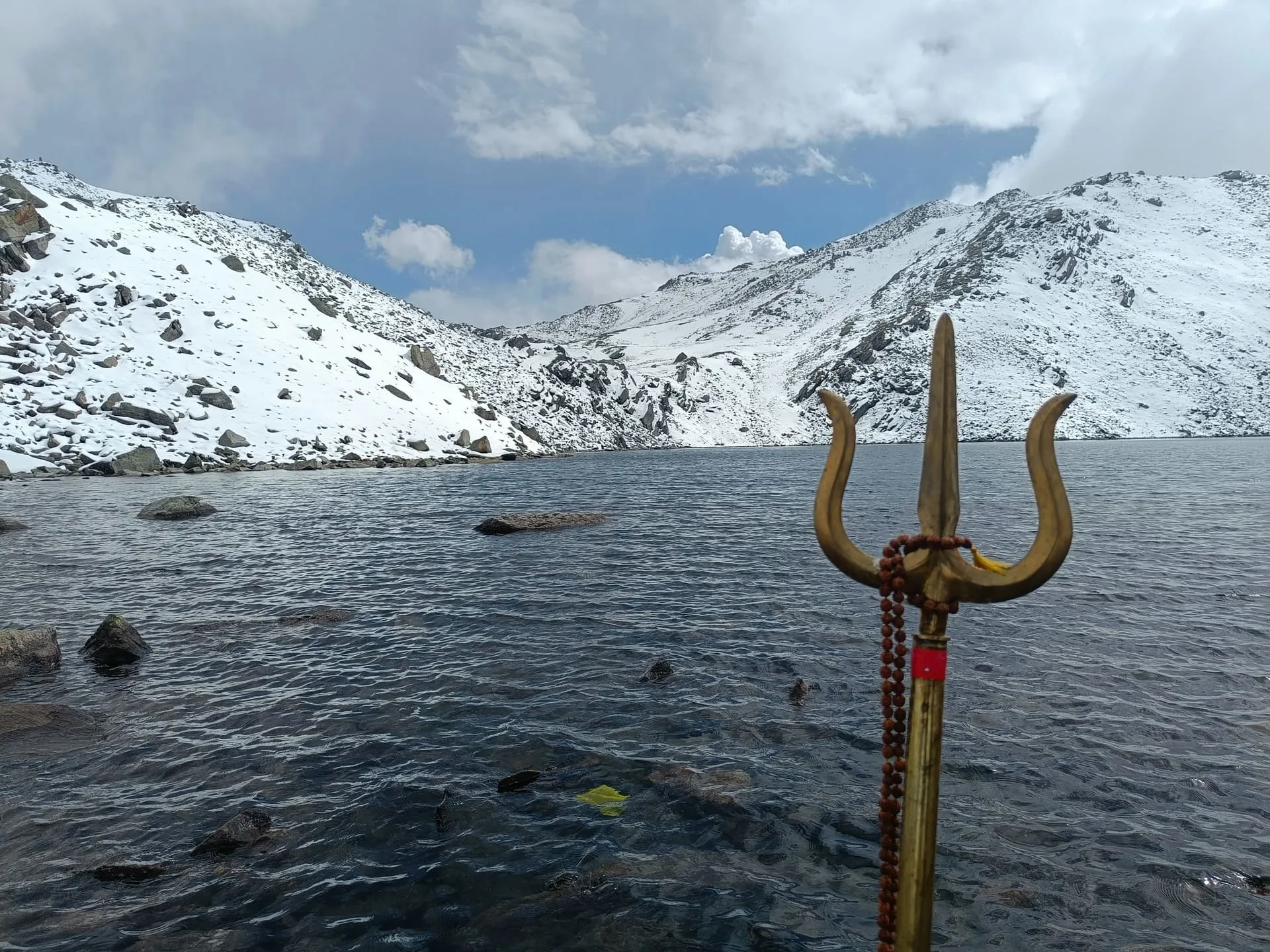
A pristine, massive high-altitude glacial lake situated at 5,000m, surrounded by stark rocky moraines.

Mt. Jaonli Viewpoint

Stunning close-up sightlines of Mt. Jaonli and the Bandarpoonch massif from the ridges near Kyarki.

View Complete Trek Guide

Common Questions

Is Sahastra Tal suitable for beginners?
No. Sahastra Tal is a difficult, high-altitude trek reaching 5,000m with long 18km walking days. It is strictly for experienced trekkers.
Are there leeches on the trail?
If you trek right after the monsoon in September, you might encounter leeches in the lower forest sections near Bhatwari.
Do I need a local guide?
Yes. The trail is highly remote, un-marked in the upper reaches, and volatile weather can cause whiteouts. A local guide from Bhatwari is essential.
Will I get mobile network on the trek?
No. You will lose network completely shortly after leaving Bhatwari. Expect 7-8 days of absolute disconnection.
What is the AMS risk?
High. You are sleeping above 4,000m for multiple nights. Follow the itinerary strictly to acclimatize at Kush Kalyan and Kyarki.
What makes the Sahastra Tal trek difficult?
The difficulty of Sahastra Tal lies in its steep, relentless ascents, long walking days, lack of defined trails in the upper reaches, and traversing narrow, rocky ridges at high altitudes.
What is the best season to visit Sahastra Tal?
The ideal time for the Sahastra Tal trek is during the post-monsoon months of September and October when the skies are clear and the meadows are lush. June is also good, though you may encounter more snow.
How many lakes can be seen during the Sahastra Tal trek?
As the name 'Sahastra' (meaning thousand) suggests, the region is dotted with numerous pristine alpine lakes. Trekkers typically encounter 5 to 7 major lakes, including Darshan Tal, Pari Tal, and Bhim Tal.
Do I need prior high-altitude experience for Sahastra Tal?
Yes, prior high-altitude trekking experience is highly recommended. You should have completed at least one moderate-to-hard Himalayan trek to ensure you can handle the endurance and altitude requirements.
What is the maximum altitude reached during the Sahastra Tal trek?
The trek takes you to a maximum altitude of approximately 4,600 meters (15,091 feet) at the main Sahastra Tal lake, offering magnificent views of peaks like Mount Kalanag and Bandarpunch.
Is Sahastra Tal suitable for beginners?
No. Sahastra Tal is a difficult, high-altitude trek reaching 5,000m with long 18km walking days. It is strictly for experienced trekkers.
Are there leeches on the trail?
If you trek right after the monsoon in September, you might encounter leeches in the lower forest sections near Bhatwari.
Do I need a local guide?
Yes. The trail is highly remote, un-marked in the upper reaches, and volatile weather can cause whiteouts. A local guide from Bhatwari is essential.
Will I get mobile network on the trek?
No. You will lose network completely shortly after leaving Bhatwari. Expect 7-8 days of absolute disconnection.
What is the AMS risk?
High. You are sleeping above 4,000m for multiple nights. Follow the itinerary strictly to acclimatize at Kush Kalyan and Kyarki.
What makes the Sahastra Tal trek difficult?
The difficulty of Sahastra Tal lies in its steep, relentless ascents, long walking days, lack of defined trails in the upper reaches, and traversing narrow, rocky ridges at high altitudes.
What is the best season to visit Sahastra Tal?
The ideal time for the Sahastra Tal trek is during the post-monsoon months of September and October when the skies are clear and the meadows are lush. June is also good, though you may encounter more snow.
How many lakes can be seen during the Sahastra Tal trek?
As the name 'Sahastra' (meaning thousand) suggests, the region is dotted with numerous pristine alpine lakes. Trekkers typically encounter 5 to 7 major lakes, including Darshan Tal, Pari Tal, and Bhim Tal.
Do I need prior high-altitude experience for Sahastra Tal?
Yes, prior high-altitude trekking experience is highly recommended. You should have completed at least one moderate-to-hard Himalayan trek to ensure you can handle the endurance and altitude requirements.
What is the maximum altitude reached during the Sahastra Tal trek?
The trek takes you to a maximum altitude of approximately 4,600 meters (15,091 feet) at the main Sahastra Tal lake, offering magnificent views of peaks like Mount Kalanag and Bandarpunch.

Are you a local operator?

Join our platform to list your verified packages for this trek.

Apply to join
MountRoutes Dispatch

Planning Sahastra Tal Trek?

Get route conditions, operator updates, and season windows before booking.

Don't miss out! Follow us for route updates@mountroutes|LinkedIn

No spam. Only useful trek updates.

Explore Collections

Not sure where to go next?

View all