
Explore
Intelligence
Season & Weather Guide
Best Time for Parang La Trek — Month-by-Month Guide
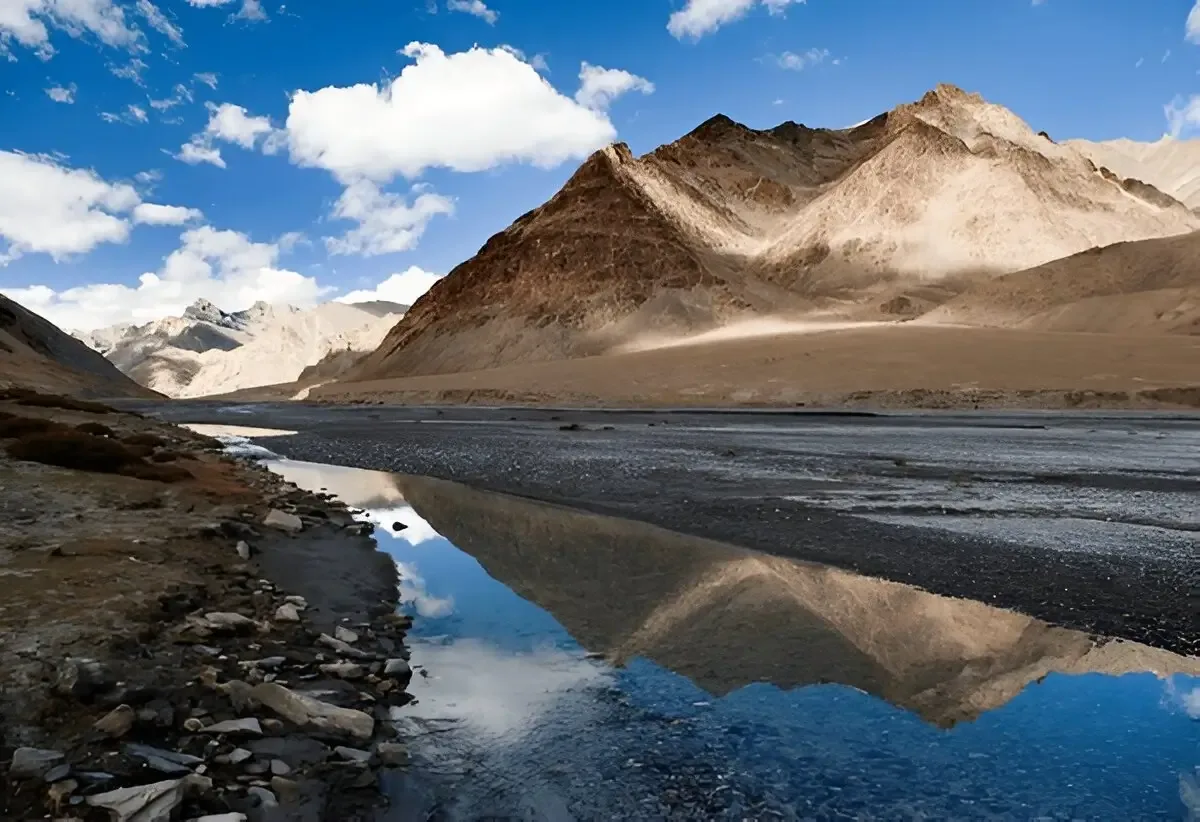
August and September offer the only reliable window. This is the ultimate monsoon escape, taking you through the high-altitude deserts of Spiti and Ladakh.
Seasonal Verdict
When should you go?
Because it spans the high-altitude deserts of Spiti and Ladakh, the trek completely avoids the Indian monsoon. However, the window is incredibly tight—only late July to early September—due to heavy snow on the 18,300 ft pass before and after this period.
Season at a Glance
Editor's Notes
Month by Month
What each month looks like
January
Conditions
Closed. Entire route buried in deep winter snow.
Crowds
none
Deep snow accumulation, extreme cold, or closed trail conditions
Closed.
February
Conditions
Closed.
Crowds
none
Deep snow accumulation, extreme cold, or closed trail conditions
Closed.
March
Conditions
Closed.
Crowds
none
Deep snow accumulation, extreme cold, or closed trail conditions
Closed.
April
Conditions
Closed.
Crowds
none
Deep snow accumulation, extreme cold, or closed trail conditions
Closed.
May
Conditions
Closed. Extreme avalanche risk on the Parang La approach.
Crowds
none
Deep snow accumulation, extreme cold, or closed trail conditions
Closed. Avalanche risk on Parang La.
June
Conditions
Generally closed. Late June is possible for elite expeditions, but river crossings are at maximum volume and snow is waist-deep.
Crowds
none
Deep snow accumulation, extreme cold, or closed trail conditions
High snow on the pass and volatile rivers. Only for elite expeditions.
July
Peak SeasonConditions
Opens in mid to late July. The snowline recedes, but the Pare Chu river is highly volatile. Crossings demand extreme caution.
Crowds
medium
Route opens. Prepare for deep, fast-flowing river crossings.
August
Peak SeasonConditions
The peak window. The weather is stable, snow is manageable on the glacier, and the landscape is stark and beautiful.
Crowds
medium
Prime season. Perfect conditions in both Spiti and Ladakh.
September
Peak SeasonConditions
Early September is excellent with crystal clear skies. By late September, night temperatures drop to -15°C and the pass begins to close.
Crowds
medium
Crystal clear views, but nighttime temperatures at Bongrojen plunge rapidly.
October
Conditions
Closed to standard trekking due to extreme cold and incoming winter storms.
Crowds
none
Deep snow accumulation, extreme cold, or closed trail conditions
Too cold for standard expeditions. Route closes.
November
Conditions
Closed.
Crowds
none
Deep snow accumulation, extreme cold, or closed trail conditions
Closed.
December
Conditions
Closed.
Crowds
none
Deep snow accumulation, extreme cold, or closed trail conditions
Closed.
Plan Your Trek:
Still deciding?
Compare routes side-by-side to find the perfect match for your fitness, dates, and budget.
Timing makes or breaks a trek. Send this to your group before you decide.
Step 3: Route Intelligence
You've chosen a season.
Now see exactly how the route unfolds day by day, including terrain types and daily altitude profiles.
Explore the Itinerary