
Explore
Intelligence
Season & Weather Guide
Best Time for Namik Glacier Trek — Month-by-Month Guide
Ideal trail conditions occur during the peak months of May, September, October. This window offers maximum peak clarity, comfortable daytime walking temperatures, and exceptionally stable weather patterns, bypassing monsoonal landslide zones.
Seasonal Verdict
When should you go?
Like all Kumaon glaciers, there are two distinct operational windows: Spring for dense greenery and Rhododendron blooms, and Autumn for flawless, washed skies and sharp peak visibility. The monsoon brings extreme leech infestations, rendering the forest trail miserable.
Season at a Glance
Editor's Notes
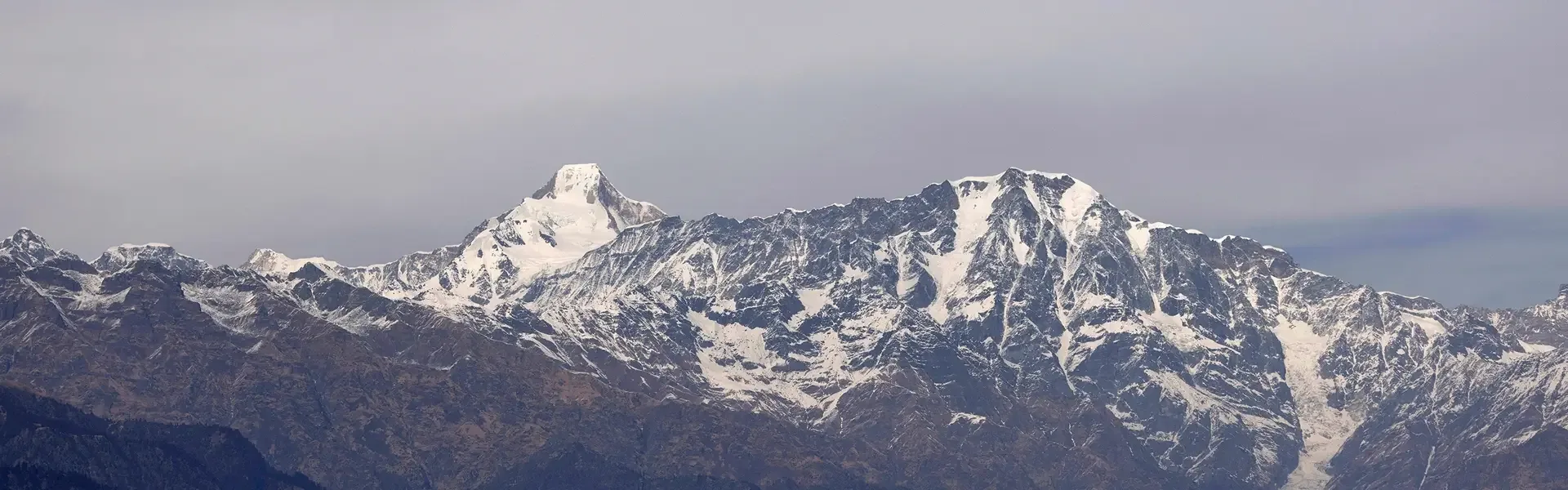
Early May offers the most hallucinogenic visual contrast: walking through blood-red Rhododendron forests with the blinding white ice of Nanda Kot towering above.
Month by Month
What each month looks like
January
Conditions
Deep winter. The glacier valley is buried under massive snow accumulations.
Crowds
none
Impassable winter snowpack.
Closed. Extreme winter conditions.
February
Conditions
Deep winter. The glacier valley is buried under massive snow accumulations.
Crowds
none
Impassable winter snowpack.
Closed. Extreme winter conditions.
March
Conditions
Heavy residual snow covers the approach. Avalanche danger remains high.
Crowds
none
High avalanche exposure.
Early season. Deep snow accumulations.
April
Conditions
Spring melt begins, making snow bridges over the river highly unstable.
Crowds
none
Unstable snow bridges.
Early season. Deep snow accumulations.
May
RecommendedConditions
The route opens up. Lower forests display spectacular rhododendron blooms.
Crowds
low
Prime pre-monsoon window. Good snow stability.
June
Peak SeasonConditions
Peak pre-monsoon window. The glacier basin is fully accessible and weather is stable.
Crowds
medium
Prime pre-monsoon window. Good snow stability.
July
Conditions
Monsoon hits Kumaon. The trail becomes heavily infested with leeches and highly slippery.
Crowds
none
Severe leech infestations and muddy trails.
Monsoon danger. Landslides and severe rains.
August
Conditions
Peak monsoon. Visibility is zero and the forest trails are miserable.
Crowds
none
Severe leech infestations and muddy trails.
Monsoon danger. Landslides and severe rains.
September
Peak SeasonConditions
The monsoon recedes, leaving razor-sharp views of the glacier.
Crowds
medium
Crystal clear skies. Best visibility of the year.
October
RecommendedConditions
Crisp autumn conditions. Flawless visibility and stunning golden landscapes.
Crowds
low
Crystal clear skies. Best visibility of the year.
November
RecommendedConditions
A highly underrated off-season window. Cold, but empty trails and stunning clarity.
Crowds
low
Winter setting in. Sub-zero temperatures rapid.
December
Conditions
The route is fully closed and abandoned for the winter.
Crowds
none
Impassable winter snowpack.
Closed. Extreme winter conditions.
Plan Your Trek:
Still deciding?
Compare routes side-by-side to find the perfect match for your fitness, dates, and budget.
Timing makes or breaks a trek. Send this to your group before you decide.
Step 3: Route Intelligence
You've chosen a season.
Now see exactly how the route unfolds day by day, including terrain types and daily altitude profiles.
Explore the Itinerary