
Explore
Intelligence
Season & Weather Guide
Best Time for Lamadugh Trek — Month-by-Month Guide
May and October are ideal for clear weather and beautiful views, though it can also be enjoyed as a magical snow-hike in December.
Seasonal Verdict
When should you go?
The trek is a year-round destination, but the best times are late spring (April to June) for alpine flowers, and autumn (September to November) for the clearest mountain views.
Season at a Glance
Editor's Notes
Month by Month
What each month looks like
January
Conditions
Heavy snow on the trail. Good for daytime snow-trekking with gaiters and microspikes. Camping is freezing.
Crowds
none
Extreme cold for overnight camping.
Deep snow. Good for day snow-hikes only.
February
Conditions
Peak winter snow. Beautiful, but requires effort and waterproof gear.
Crowds
none
Deep snow cover.
Deep snow. Wear waterproof boots and gaiters.
March
Conditions
Snow begins to melt. The trail becomes slushy and slippery in the forest.
Crowds
none
Mud and slush.
Melting snow creates very muddy forest trails.
April
Peak SeasonConditions
Spring arrives. The weather warms up, and the meadows begin to turn green.
Crowds
medium
Spring trekking begins. Excellent weather.
May
Peak SeasonConditions
Peak season. Excellent weather. The meadow is lush with alpine flowers.
Crowds
high
Meadows are fully green. Carry sunscreen.
June
Peak SeasonConditions
Warm and pleasant, but pre-monsoon showers can occur in the late afternoons.
Crowds
high
Warm ascent. Start early to beat the afternoon heat.
July
Conditions
Monsoon hits. The steep forest trails become highly slippery and infested with leeches.
Crowds
none
Slippery trails, leeches, zero views.
Monsoon. Trail is slippery and dangerous. Avoid.
August
Conditions
Peak monsoon. Heavy rain obscures all views and makes the descent dangerous.
Crowds
none
Heavy rain, high slip risk.
Monsoon. Muddy, zero views. Avoid.
September
Peak SeasonConditions
Post-monsoon clarity. The forests are vibrantly green and the skies are washed clean.
Crowds
medium
Forests are vibrant. Clear skies return.
October
Peak SeasonConditions
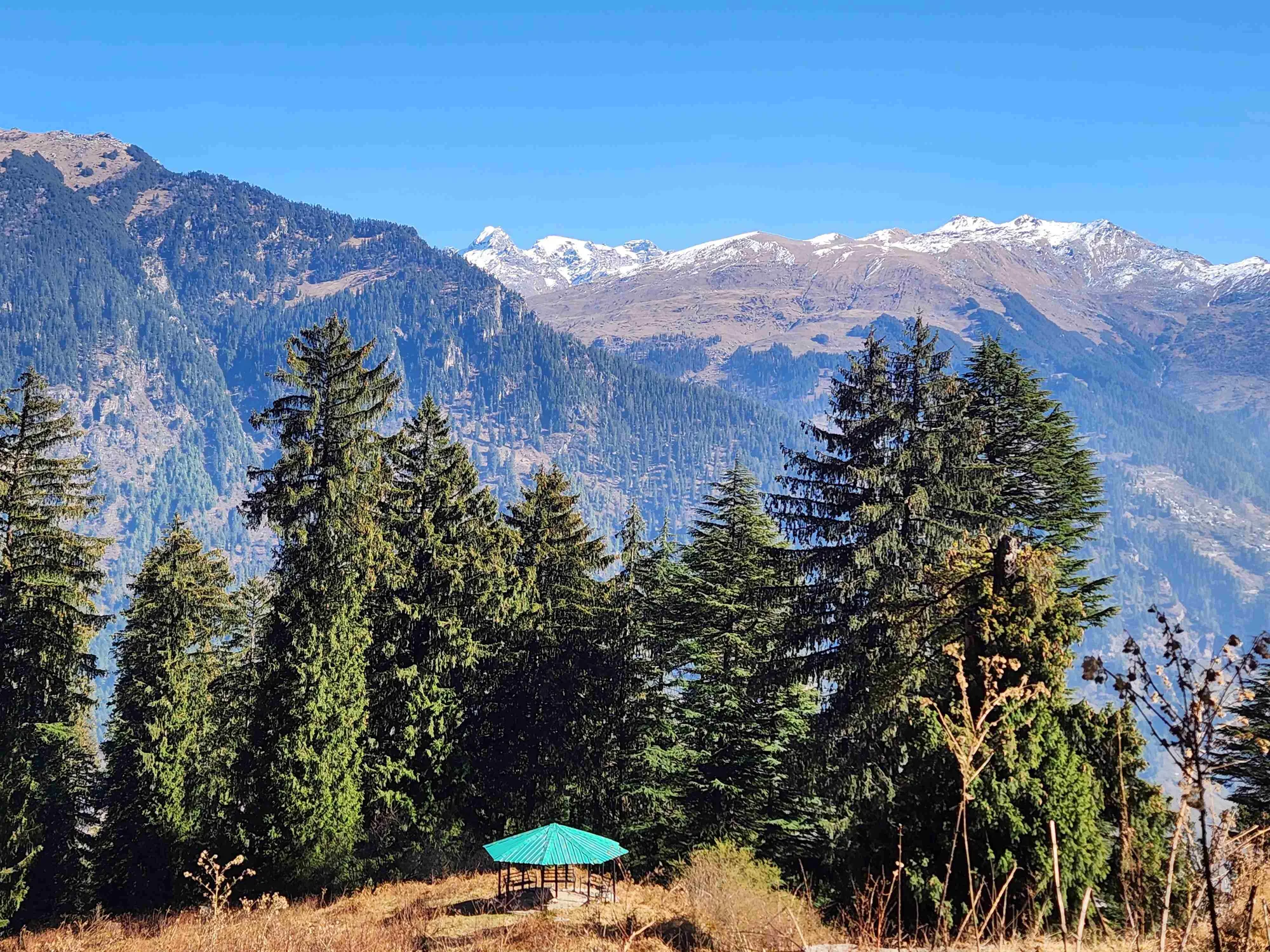
The absolute best month for photography. Crisp air, flawless visibility of the Greater Himalayas.
Crowds
high
Best views of Deo Tibba. Crisp, cool air.
November
Peak SeasonConditions
Early winter sets in. Cold winds at the meadow, but spectacular, quiet trekking.
Crowds
medium
Cold at the top. Excellent quiet trekking.
December
Peak SeasonConditions
First snows arrive. The meadow turns white. Beautiful for a day hike.
Crowds
medium
First snows. Beautiful for a snowy day hike.
Plan Your Trek:
Still deciding?
Compare routes side-by-side to find the perfect match for your fitness, dates, and budget.
Timing makes or breaks a trek. Send this to your group before you decide.
Step 3: Route Intelligence
You've chosen a season.
Now see exactly how the route unfolds day by day, including terrain types and daily altitude profiles.
Explore the Itinerary