
Explore
Intelligence
Compare operators for
Lamadugh Trek
Compare operators for Lamadugh Trek
Interested in this trek?
We are currently vetting local partners for Lamadugh Trek to ensure the highest safety standards. Be the first to know when it's open for booking.
Are you a local operator?
Join our platform to list your verified packages for Lamadugh Trek and reach thousands of trekkers directly.
Found the right operator? Share this list with whoever's coming with you.
Better Prep.
Safer Expeditions.
Free professional-grade tools to audit your altitude safety and generate personalized gear checklists.
About Lamadugh Trek
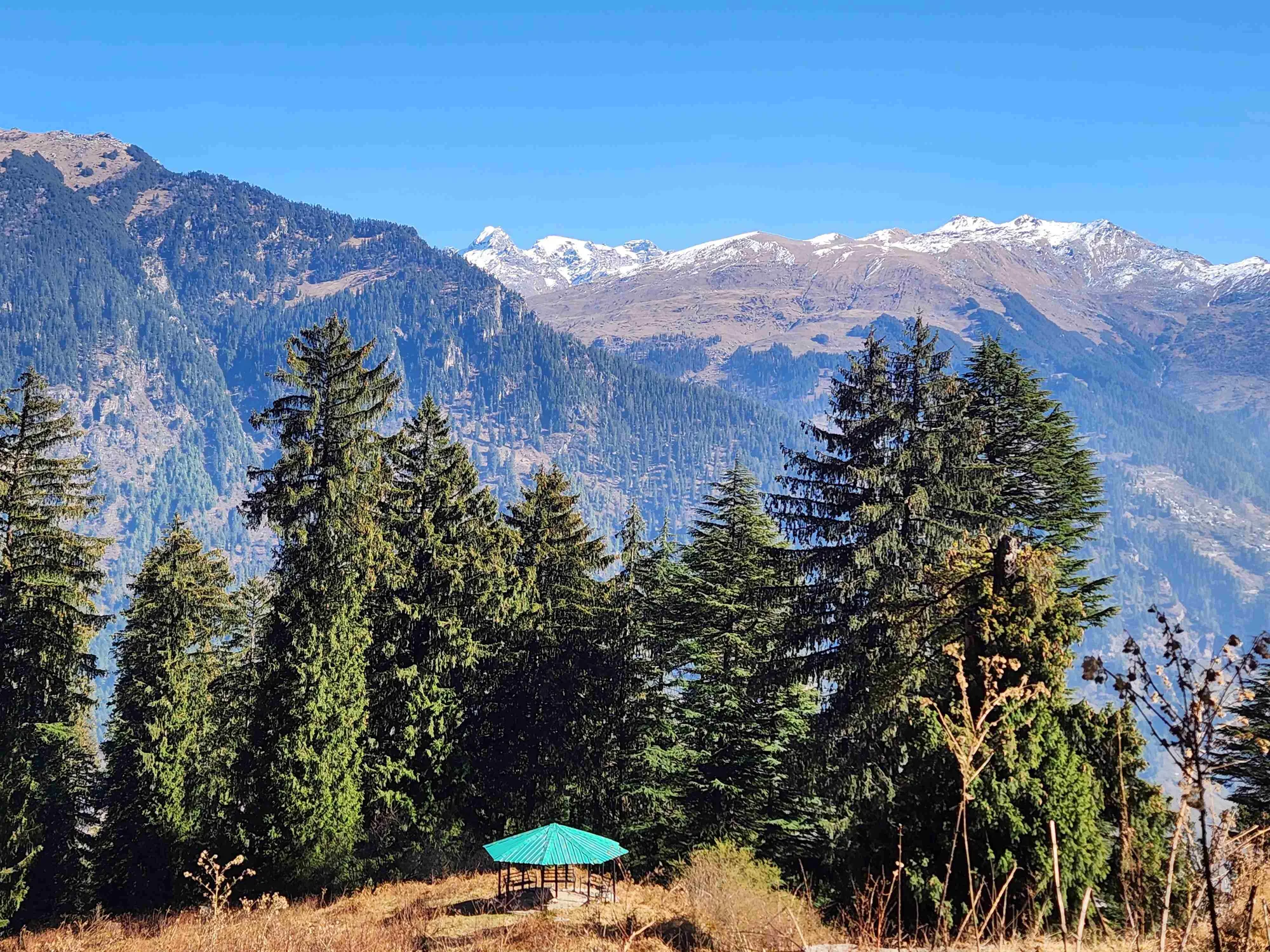
The Lamadugh Trek is a short alpine hike above Manali that climbs from dense deodar forests to open Himalayan meadows at around 9,900 ft. Starting near the Hadimba Temple, the trail offers panoramic views of Deo Tibba, Indrasan, and the upper Kullu Valley. Ideal as a day hike or overnight trek, Lamadugh is one of the best introductions to Himalayan trekking around Manali.
Trek Highlights
The Pine Canopy
Looking up through the massive, 100-foot ancient Deodar trees filtering the morning sunlight.
Lamadugh Ridge
Standing on the edge of the meadow looking straight across the valley at the towering Indrasan peak.
Common Questions
Can this trek be done in a single day?
How difficult is the ascent?
Is water available on the trail?
Do I need a guide for Lamadugh?
What kind of views can I expect?
Is altitude sickness a concern?
Can I camp there in winter?
Are there wild animals on the trail?
Can this trek be done in a single day?
How difficult is the ascent?
Is water available on the trail?
Do I need a guide for Lamadugh?
What kind of views can I expect?
Is altitude sickness a concern?
Can I camp there in winter?
Are there wild animals on the trail?
Are you a local operator?
Join our platform to list your verified packages for this trek.
Planning Lamadugh Trek?
Get route conditions, operator updates, and season windows before booking.
Don't miss out! Follow us for route updates@mountroutes|LinkedIn
No spam. Only useful trek updates.
Explore Collections