
Explore
Intelligence
Season & Weather Guide
Best Time for Khaliya Top Trek — Month-by-Month Guide
Khaliya Top is a fantastic all-season trek that showcases the changing Himalayan seasons.
Seasonal Verdict
When should you go?
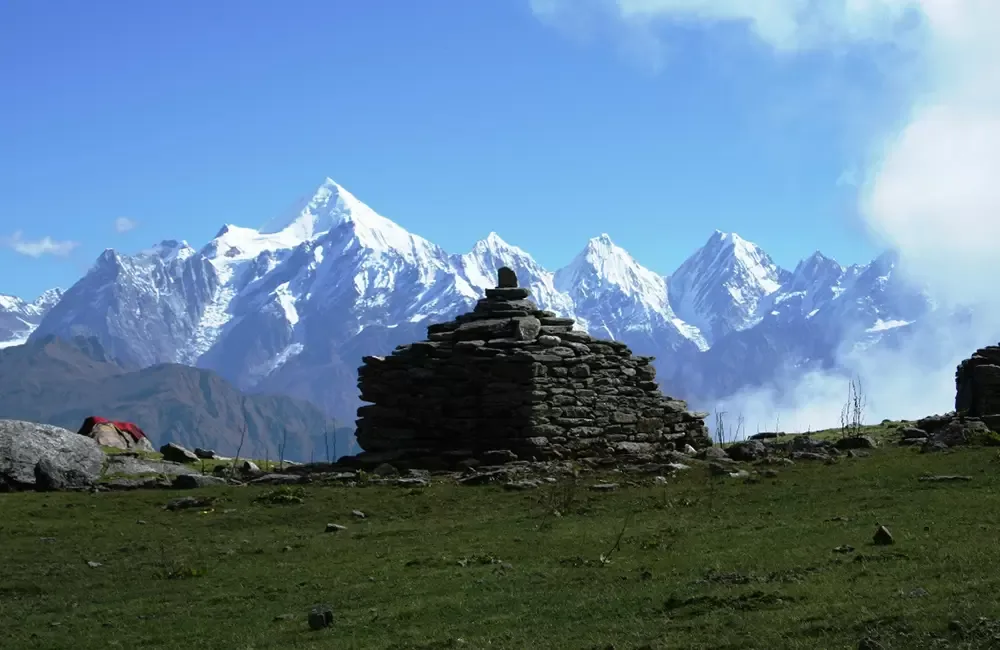
Khaliya Top is a fantastic all-season trek that showcases the changing Himalayan seasons. Spring brings blindingly beautiful red Rhododendron forests against snow, autumn offers the sharpest views of the Panchachuli peaks, and winter provides a pristine snow-hiking experience.
Season at a Glance
Editor's Notes
If you want a 'snow trek' experience without the massive crowds of Kedarkantha, do Khaliya Top in early February. It feels like a private Swiss alp.
Month by Month
What each month looks like
January
RecommendedConditions
A brilliant winter snow hike with stunning views of the snow-capped Kumaon peaks.
Crowds
low
Closed. Extreme winter conditions.
February
RecommendedConditions
Deep winter conditions persist. The trail is heavily snow-laden.
Crowds
low
Closed. Extreme winter conditions.
March
Peak SeasonConditions
Spring melt begins. The lower forest bursts with blooming rhododendrons.
Crowds
medium
Early season. Deep snow accumulations.
April
Peak SeasonConditions
Peak spring window. The contrast of green forests, red flowers, and snow peaks is spectacular.
Crowds
high
Early season. Deep snow accumulations.
May
Peak SeasonConditions
Warm and pleasant summer trekking, highly popular with visitors to Munsiyari.
Crowds
high
Prime pre-monsoon window. Good snow stability.
June
Peak SeasonConditions
Pre-monsoon season. Stable weather before the rains arrive.
Crowds
high
Prime pre-monsoon window. Good snow stability.
July
Conditions
Monsoon rains obscure the Panchachuli peaks and bring heavy leech infestations to the forest.
Crowds
low
Zero visibility and heavily muddy, leech-infested trails.
Monsoon danger. Landslides and severe rains.
August
Conditions
Peak monsoon. The primary attraction (mountain views) is completely blocked.
Crowds
low
Zero visibility and heavily muddy, leech-infested trails.
Monsoon danger. Landslides and severe rains.
September
Peak SeasonConditions
The rains withdraw, leaving the forests lush and the mountain views exceptionally sharp.
Crowds
medium
Crystal clear skies. Best visibility of the year.
October
Peak SeasonConditions
Crisp autumn air provides the absolute best clarity of the Panchachuli range.
Crowds
high
Crystal clear skies. Best visibility of the year.
November
Peak SeasonConditions
Temperatures drop significantly as the route transitions back toward winter.
Crowds
medium
Winter setting in. Sub-zero temperatures rapid.
December
RecommendedConditions
The first heavy snowfalls arrive, transforming the meadow into a winter destination.
Crowds
low
Closed. Extreme winter conditions.
Plan Your Trek:
Still deciding?
Compare routes side-by-side to find the perfect match for your fitness, dates, and budget.
Timing makes or breaks a trek. Send this to your group before you decide.
Step 3: Route Intelligence
You've chosen a season.
Now see exactly how the route unfolds day by day, including terrain types and daily altitude profiles.
Explore the Itinerary