
Explore
Intelligence
Essential Planning Guide
Jageshwar Temple Heritage Trek — Complete Guide (2026)
Vibe & Scenery
The Experience
Introduction
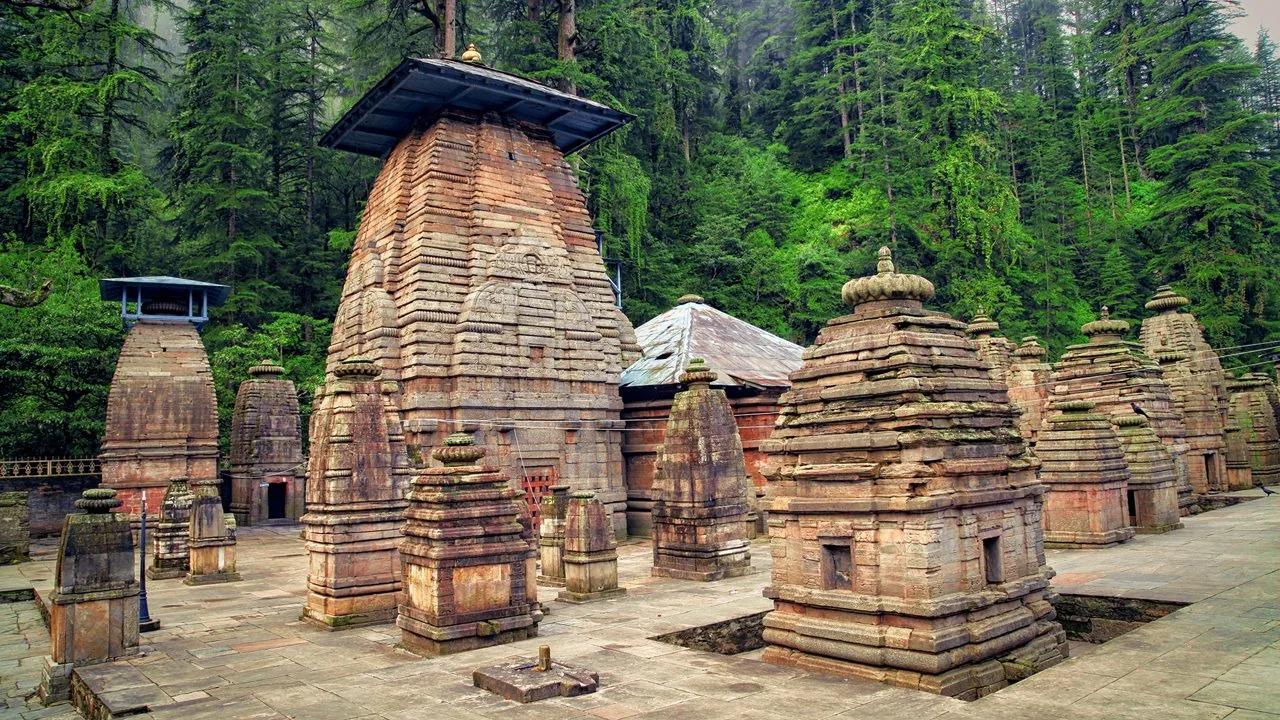
The Jageshwar Heritage Trek combines a peaceful forest walk with one of India's most significant collections of medieval Hindu temples. Located in the Jataganga valley near Almora, the Jageshwar temple complex contains more than one hundred stone shrines built between the 7th and 12th centuries by the Katyuri and Chand dynasties.
While the main temple complex is accessible by road, the traditional pilgrimage route continues uphill through ancient deodar forests to Vriddh Jageshwar, a quieter hilltop temple overlooking the valley. The trail passes beneath towering cedar trees and follows centuries-old footpaths that have connected these sacred sites for generations.
Suitable for visitors of all ages, the trek offers a unique combination of Himalayan history, spirituality, and forest scenery rather than physical challenge.
Quick Facts
Duration
Max Altitude
Difficulty
Best Time
Trek Distance
Trail Atmosphere
Stargazing
Class 3 Dark Sky
Scent Profile
Silence Level
~30 dB
Vertigo Factor
1 / 10
Iconic Spots
The Main Complex at Dawn
Environment
Nature & Culture
Flora & Fauna
Flora
Fauna
Legend has it that Lord Shiva came here to meditate, and the surrounding Deodar trees sprouted to protect him from the harsh Himalayan elements.
— Local folklore
Spiritual & Cultural Significance
One of Kumaon's most sacred sites. Considered by many locals to be the 8th Jyotirlinga (Nageshwar).
🕐 Shrine Timings: 6 AM to 8 PM
Temple Protocols
- •Strict vegetarianism
- •Modest dress
- •Barefoot inside complex
Festivals & Dates
Technical Details
Challenge & Preparation
Primarily a joint & muscle impact challenge
A welcoming route that balances joint & muscle impact and cardio demand.
Personal Readiness
Am I ready?
Planning
Logistics & Trail Intel
Getting There
Route to Base
Train to Kathgodam, followed by direct shared jeeps or buses passing through Almora to Jageshwar
Base Village
Jageshwar Dham
6,100 ft
Last ATM
Almora (Ensure you carry cash for temple offerings here, ATMs in Jageshwar are unreliable).
Nearest Medical Facility
Almora Hospital
Mobile Signal
Jio/BSNL work decently.
Water Sources
Bottled water at the entrance stalls.
Charging
Jageshwar has full electricity.
For Drivers
Road Condition
Kathgodam to Almora/Jageshwar is a fast, excellent road.
Almora
Trail Culinary & Diet
Don't miss the Kumaoni Thali at KMVN
Buy specialized diet items at Almora (hours behind)
The Content & Remote Hub
No DronesStrictly illegal over the ASI protected heritage monuments.Top Vlog Spots
Video Calls
moderate
Est. 10 Mbps
UPI Reliability
5/10
Base WiFi Available
Permits and Regulations
No trekking permits required. Photography inside the temples is regulated. Dress modestly as it is an active pilgrimage site.
Learn more about how we vet operators and ensure transparency on our why MountRoutes page.
Packing List
Basic Clothing
- Light fleece pullover (The valley is heavily shaded by giant Deodars and can be chilly)
- Modest trekking attire (Shorts are disrespectful inside the functioning temple complexes)
- Comfortable walking shoes
Photography & Weather
- Wide-angle lens (Essential for capturing the massive temple complex clusters)
- Light raincoat (Afternoon showers are common due to the dense forest canopy)
Deep Dives
Explore Further
Editor's Notes
Visit the ASI (Archaeological Survey of India) museum located just outside the temple complex. It houses incredibly intricate 9th-century stone idols recovered from the shrines.
Explore In Detail
Day by Day Itinerary
2-day route reaching 6,200ft. Covers 12km of varied terrain.
→ See full itinerary with altitude profileDifficulty & Fitness
Rated accessible. The main complex is totally flat. The 3km hike to Vriddh Jageshwar is an easy, gradual ascent on a dirt and pine-needle trail.
→ See difficulty breakdown and fitness guideCost & Pricing
Packages range from ₹9,000 – ₹13,500. Inclusions and hidden costs vary by operator tier.
→ See full cost breakdownFrequently Asked Questions
Do I have to trek to reach the temples?
No. The main Jageshwar complex is right on the motorable road. The 'trek' part is the hike up the mountain to Vriddh Jageshwar (Old Jageshwar).
Is it a difficult hike to Vriddh Jageshwar?
No. It is a 3km uphill walk through a beautiful, silent cedar forest. It takes roughly 1.5 to 2 hours of easy walking.
Can I see snow peaks from the temples?
Not from the main complex down in the valley. However, once you hike up the ridge to Vriddh Jageshwar, you get magnificent views of the Nanda Devi and Trishul ranges.
Where should I stay?
There is a very comfortable KMVN Rest House located perfectly amidst the deodar trees just a short walk from the main temple complex, as well as multiple private homestays.
Are there leeches?
Yes, during the monsoon (July/August), the wet pine needle trails up to Vriddh Jageshwar can have mild leech activity.
Is the temple active?
Highly active. Jageshwar is one of the 12 Jyotirlingas in some Hindu scripts, making it a major site of daily worship and a massive hub during Shivratri and the Shravan Mela.
Can I combine this with Binsar?
Yes, Jageshwar and the Binsar Wildlife Sanctuary are geographically very close and are almost always combined in a 3-4 day Kumaon circuit.
Is photography allowed?
Photography of the temple exterior and complex is allowed, but strictly prohibited inside the inner sanctums (Garbhagriha).
How old are the trees?
The Deodar trees surrounding the complex are considered sacred and protected. Some are believed to be hundreds of years old.
Is it safe for children?
Extremely safe. The trails are obvious, completely un-dangerous, and the altitude is very low.
What is the main cultural highlight of Jageshwar?
The Jageshwar Temple Complex comprises over 124 stone temples dating from the 7th to the 12th century AD, nestled inside a dense forest of giant deodar trees.
Is this trek suitable for seniors and kids?
Yes, this is an exceptionally gentle, low-altitude forest trail with paved steps and well-graded dirt paths, perfect for family vacations and temple pilgrims.
What is the ideal season to visit Jageshwar?
It is a year-round destination. However, the monsoon months of July-August bring lush green moss on the ancient temples, and the Shivratri festival is a major sight.
Are there modern guesthouses in Jageshwar?
Yes, KMVN tourist rest houses, local boutique homestays, and budget dharmashalas are easily available near the temple complex.
Is photography allowed inside the Jageshwar temples?
Photography is allowed in the outer courtyard and forest complex, but strictly prohibited inside the inner sanctum of the temples to respect the sacred shrines.
Still deciding?
Compare routes side-by-side to find the perfect match for your fitness, dates, and budget.
Everything you need to know, in one place. Someone else in your group needs to see this.
Planning Jageshwar Temple Heritage Trek?
Get route conditions, operator updates, and season windows before booking.
Don't miss out! Follow us for route updates@mountroutes|LinkedIn
No spam. Only useful trek updates.
Ready to walk this route?
You’ve read the guide, now find the perfect local team to take you there. Compare our verified list of operators.
Compare verified operators