
Difficulty & Readiness Guide
Is Friendship Peak Expedition Difficult? — Fitness & Altitude Guide
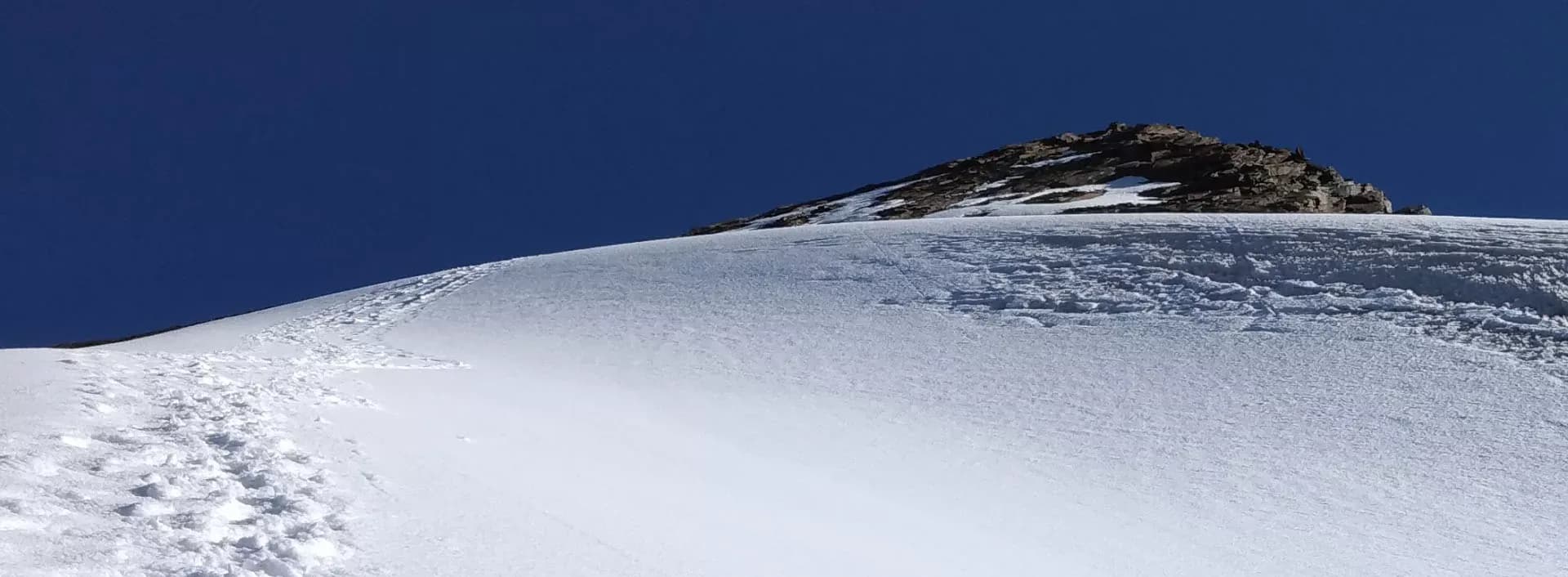
A 17,350ft 'entry-level' expedition; involves a glaciated summit push with 40-degree snow/ice inclines requiring crampon and ice-axe proficiency.
Preparation Required
Advanced
Prior Experience
Required: At least 2-3 moderate Himalayan treks (above 13,000ft).
Score Engine v3
Why This Score?
Stamina
36/100
Based on average nightly altitude gain, highest campsite, and daily distance. Reflects how hard the average day feels.
Spike Day
52/100
Based on max altitude reached, summit day elevation gain, and summit day distance. Reflects the hardest single day.
Why Friendship Peak Expedition Feels Difficult
A demanding expedition with extreme joint & muscle impact and altitude exposure.
Physiological Demand
Steep, punishing ascents and descents that will heavily tax your knees, ankles, and overall joint stability.
Extreme high altitude exposure. Severe oxygen depletion requires careful acclimatization and peak cardiovascular health.
Multi-day camping requiring mental toughness to handle weather and fatigue debt.
Challenging daily distances and steady climbs. Good cardiovascular fitness is required.
Rough, uneven trails with occasional scrambling or minor exposure.
Crux Section
Day 6 — Oxygen Peak
Highest exposure point at 17,350ft.
Expedition Grading Context
The 61/100 score reflects the physical endurance required for this expedition, which can be deceptive. While some 10-day treks score higher due to their length, this is a technical mountaineering peak that requires specialized skills.
Friendship Peak Expedition/ 61
Terrain Breakdown
Glaciated summit push, loose boulders, and high-altitude moraine. Crux is the midnight summit push on ice.
Summit Day Notes
Altitude: 17,350ft. Oxygen levels ~57%. Extreme wind chill and technical footing.
The Descent
Hard on knees descending from ABC to Bakarthach. Use two poles.
Preparation
Expert. 10km run in 55 mins. Leg strength for balance on loose rock. Previous 15k ft trek experience highly recommended.
Route Stress Forecast
Highest exposure point at 17,350ft.
Deep 4,150ft descent will test joint stability.
First major altitude jump occurs on Day 3.
*Forecast derived from route geometry and altitude profile. External variables (weather/group) remain the final authority.
Trail Performance Data
Max Gradient
45%
Hydration
0.5L per km recommended
Loose Surface Sections
- •Lady Leg to Summit Moraine
- •Dhundi initial climb
Common Mistakes on Friendship Peak Expedition
Most injuries and failures on this trail can be avoided by making smarter decisions early on.
Wearing hiking shoes on the summit push (need stiff soles)
Starting late for the summit push
Underestimating the Lady Leg altitude gain
Poor hydration at high camp
Safety & Medical Risks
Key Risks
AMS at 17k ft
Crevasses on summit glacier
Extreme cold (-20C)
Snow blindness
AMS (Altitude Sickness)
High risk. Lady Leg is a critical acclimatization point. Acclimatization walk to Lady Leg is mandatory.
Evacuation Route
Manual carry to Dhundi (~4 hrs from ABC). Drive to Manali (~1 hr).
Solo Trekking
NOT RECOMMENDED. The glaciated summit push requires a partner and roping for safety.
Common Trail Ailments
🏥 Nearest ICU: Dr. RPGMC, Tanda / Fortis Hospital, Kangra
Tactical Emergency Hub
> Fastest evacuation via porter to Dhundi roadhead, then 30-min drive to Manali hospital hub.
Who Can Do This Trip?
Min Age
15+
Max Age
55
Western Toilets at Base
Yes
Solo Female Travelers
High; route is a standardized mountaineering approach with steady activity.
Expert Verdict
Highly technical peak requiring physical and mental preparation.
Ready to book? Compare verified operators for Friendship Peak Expedition — transparent pricing, no paid rankings.
Want to know which operators carry certified guides and medical support? See operator safety ratings for Friendship Peak Expedition
Also on this trek
Still deciding?
Compare routes side-by-side to find the perfect match for your fitness, dates, and budget.
Still think it's doable? Share this with your trek mate and see if they agree.
Fit for the challenge?
For challenging treks, safety is paramount. Find operators prioritizing medical support and guide expertise.
Compare operator safety scores