
Explore
Intelligence
Difficulty & Readiness Guide
Is Cheni Pass Trek Difficult? — Fitness & Altitude Guide
Graded hard, the Cheni Pass Trek demands good cardio preparation — the final altitude push to 14500ft is the crux.
The Question
Can I do this trek?
Preparation Required
Intermediate
Prior Experience
Recommended: 1-2 easy Himalayan treks or regular hiking experience.
Expert Verdict
Highly technical trek requiring physical and mental preparation.
Cheni Pass Trek
Himalayan Placement · Index 48Route Knowledge
Why is it difficult?
Exertion Index
Primary Challenge
Route Identity
Fast-paced or high-mileage route demanding excellent cardiovascular fitness across a pass-crossing route featuring loose moraine.
Primary Drivers
- Maximum sleeping altitude of 13,500 ft
- 4 consecutive high-output trekking days
- Peak daily distance of 14 km
View Full Route Analysis
Physiological Demand
Expect long, exhausting days of sustained climbing at high intensity. Your cardiovascular system will be pushed to its absolute limit.
Significant time spent above 12,000ft. Expect shortness of breath and slower pacing.
Notable elevation gains and losses requiring good leg strength and joint resilience.
Multi-day camping requiring mental toughness to handle weather and fatigue debt.
Well-defined, stable trails with no technical maneuvers required.
Terrain Breakdown
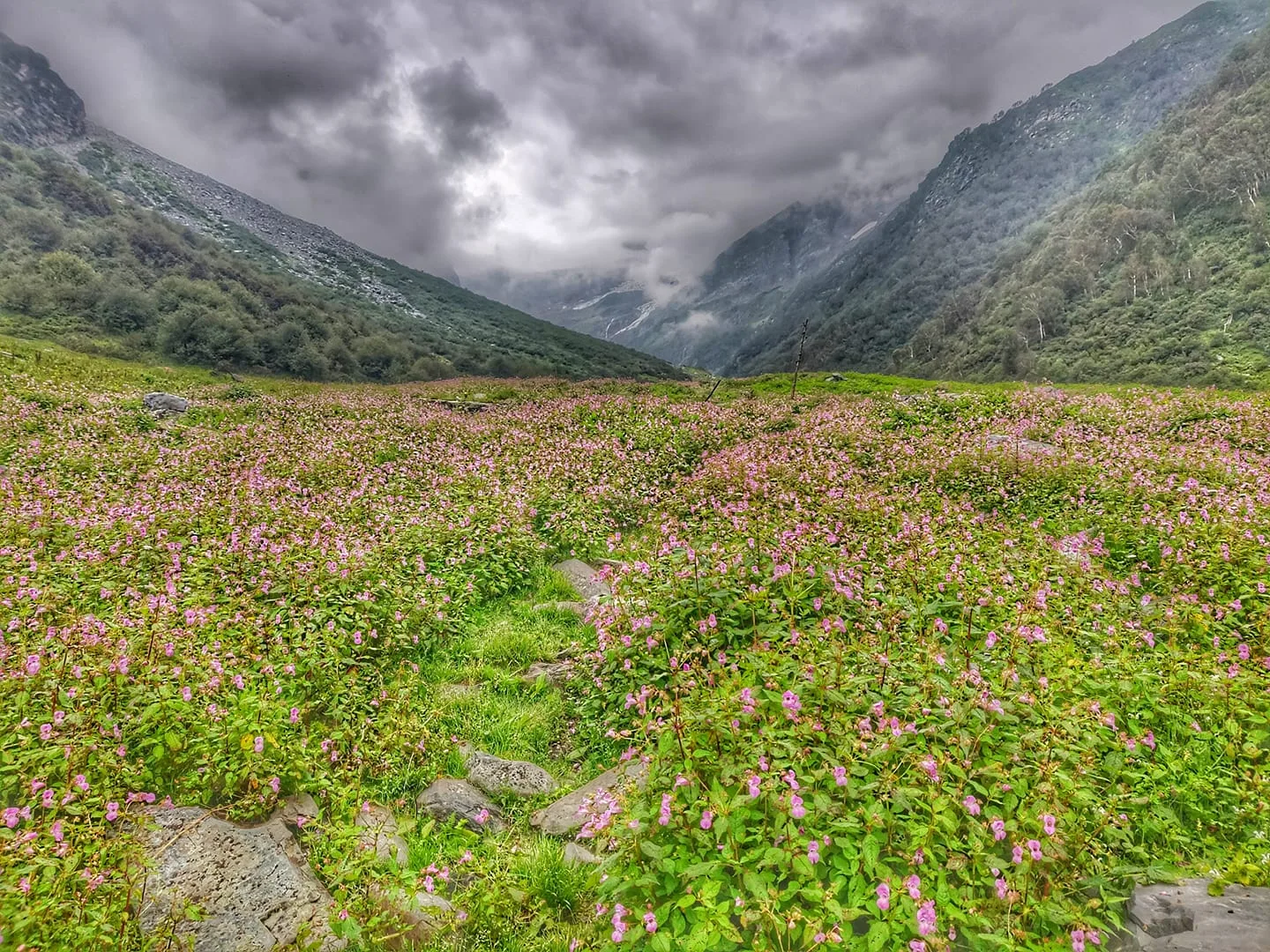
Dense pine forests transitioning into high altitude meadows and a rocky pass crossing.
Summit Day Notes
The pass crossing involves a steep, switchbacking ascent.
The Descent
Descent can be hard on the knees; trekking poles are highly recommended.
Altitude Profile
Gradual acclimatization, but the final day gains significant altitude.
Run AMS Risk Audit →Trail Performance Data
Max Gradient
40%
Hydration
0.4L per km recommended
Loose Surface Sections
- •Rocky pass scree zones
- •Forest slippery switchbacks
Personal Readiness
Am I ready?
What this route demands
People who feel comfortable on this route can usually:
Who Can Do This Trek?
Min Age
18+
Max Age
50
Western Toilets at Base
Yes
Solo Female Travelers
Requires heavily vetted alpine teams.
Hazard Profile
What goes wrong?
Common Mistakes on Cheni Pass Trek
Most injuries and failures on this trail can be avoided by making smarter decisions early on.
Getting disoriented and lost in the dense, uniform deodar forests.
Poor pacing on the relentless, continuous ascent right out of Banjar.
Safety & Medical Risks
Key Risks
Slipping on wet grass slopes on the ascent
Hypothermia on the pass summit
HAPE from aggressive ascent profiles
AMS (Altitude Sickness)
Moderate to High. If symptoms appear at Alyas basecamp, immediately descend to the treeline.
Evacuation Route
Manual stretcher haul to the nearest roadhead (Trella or Killar). It is an agonizing, slow process.
Solo Trekking
Absolutely prohibited.
Common Trail Ailments
🏥 Nearest ICU: Dr. Rajendra Prasad Government Medical College (Tanda, Kangra) / Pathankot
Tactical Emergency Hub
> Evacuation by foot or mule to the nearest village.
Auditability
How is this calculated?
Understand This Route Further
Before attempting this route:
Still deciding?
Compare routes side-by-side to find the perfect match for your fitness, dates, and budget.
Still think it's doable? Share this with your trek mate and see if they agree.
Step 2: Seasonal Safety
You know how demanding this route is.
Now find the safest and most reliable season to attempt it.
Check Best Time to Go