
Explore
Intelligence
Essential Planning Guide
Bhavishya Badri Trek — Complete Guide (2026)
Vibe & Scenery
The Experience
Introduction
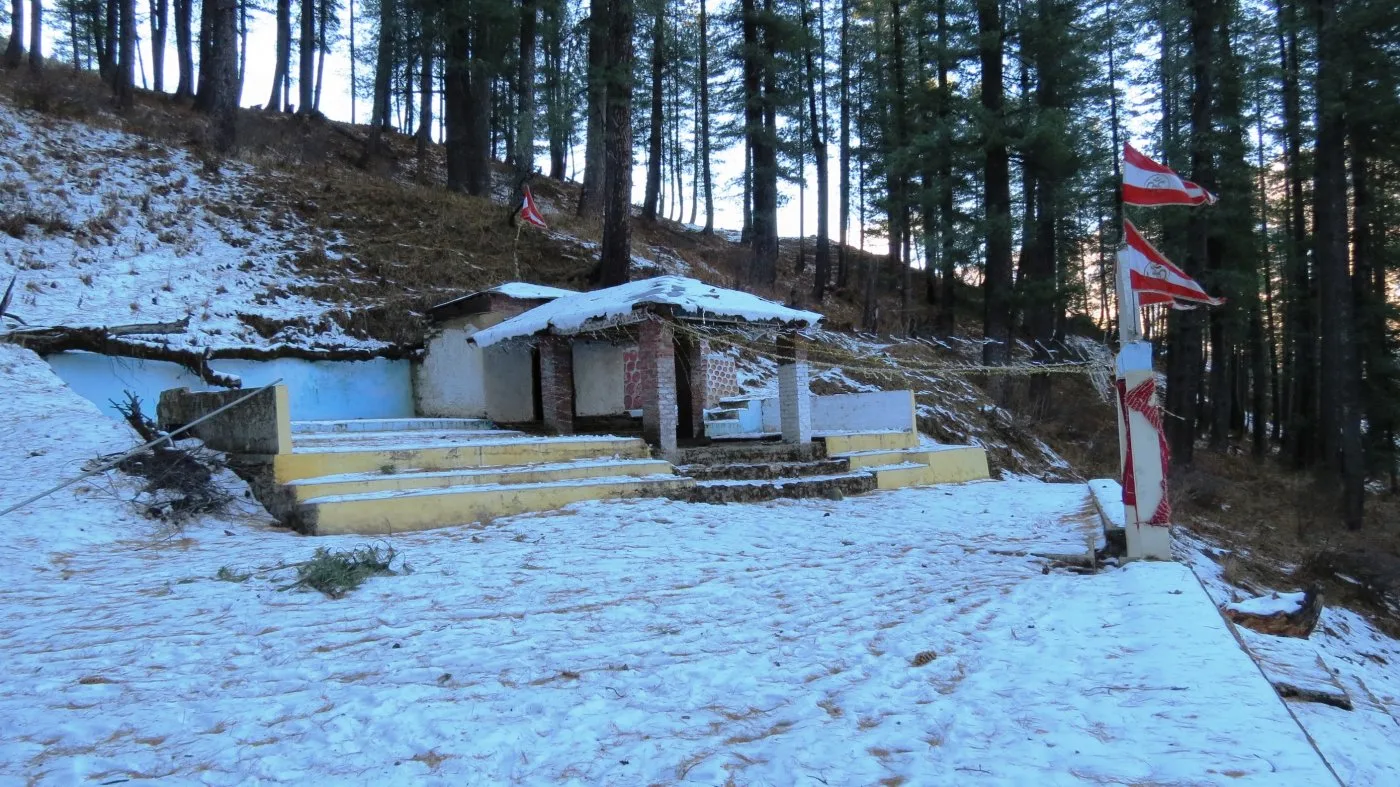
Bhavishya Badri is one of the five sacred Panch Badri temples dedicated to Lord Vishnu and occupies a unique place in Hindu tradition. According to local belief, when access to Badrinath eventually becomes impossible, worship will shift to Bhavishya Badri, making it the future seat of Badrinath.
Unlike the highway-accessible pilgrimage to Badrinath, reaching Bhavishya Badri requires a rewarding trek through the forests above Subhain village near Joshimath. The trail climbs steadily through oak, rhododendron, and deodar forests before reaching the quiet temple nestled among the hills.
Although the altitude is relatively modest at around 9,000 ft, the continuous ascent provides a satisfying mountain walk while offering glimpses of traditional Garhwali villages and the surrounding landscape near the Nanda Devi Biosphere Reserve. The trek is ideal for travellers who wish to combine spirituality with a peaceful Himalayan hiking experience away from larger pilgrimage crowds.
Quick Facts
Duration
Max Altitude
Difficulty
Best Time
Trek Distance
Trail Atmosphere
Stargazing
Class 3 Dark Sky
Scent Profile
Silence Level
~20 dB
Vertigo Factor
3 / 10
Iconic Spots
The Cedar Forest Ascent
Bhavishya Badri Shrine
Environment
Nature & Culture
Flora & Fauna
Flora
Fauna
The 'Panch Badri' include Badrinath, Yogdhyan Badri, Bhavishya Badri, Vridha Badri, and Adi Badri. Bhavishya Badri represents the future seat of Lord Vishnu.
— Local folklore
Spiritual & Cultural Significance
One of the 'Panch Badri'. Essential for pilgrims completing the comprehensive Badrinath circuit.
🕐 Shrine Timings: Open from morning to evening. Closes during the peak winter months.
Temple Protocols
- •Strictly vegetarian. No alcohol.
- •Remove footwear before approaching the shrine.
- •Maintain silence in the temple clearing.
Festivals & Dates
Technical Details
Challenge & Preparation
Primarily a cardio demand challenge
A welcoming route that balances cardio demand and joint & muscle impact.
Personal Readiness
Am I ready?
Planning
Logistics & Trail Intel
Getting There
Route to Base
Drive 10 hours from Dehradun or Rishikesh via National Highway 7 (Badrinath Highway) to reach Joshimath
Base Village
Joshimath / Saldhar
6,150 ft
Last ATM
Joshimath has multiple ATMs. Carry cash for the local taxi and guide.
Nearest Medical Facility
Community Health Centre (CHC) Joshimath.
Mobile Signal
Drops completely after Subhain village.
Water Sources
Very limited on the trail. A small stream exists near the temple, but it is highly recommended to carry 2 liters of your own water from Joshimath.
Charging
None on the trail. Charge devices at your hotel in Joshimath.
For Drivers
Road Condition
The Badrinath Highway (NH7) is constantly under expansion. Expect dusty patches and occasional delays at landslide zones like Pagal Nala.
Joshimath
Trail Culinary & Diet
Don't miss the Garhwali Mandua (Finger Millet) Roti and Chainsoo (Black Gram Dal).
Buy specialized diet items at Joshimath
The Content & Remote Hub
Top Vlog Spots
Video Calls
high
Est. 15 Mbps
UPI Reliability
8/10
Base WiFi Available
Permits and Regulations
No special trekking permits or Inner Line Permits are required for Indian or Foreign nationals to visit Bhavishya Badri, as it falls outside the Nanda Devi core restricted zone. However, standard Uttarakhand tourism registrations (Yatra registration) may be checked during the peak Char Dham season. Drones should not be flown directly over the temple premises without permission from the local priests.
Learn more about how we vet operators and ensure transparency on our why MountRoutes page.
Packing List
Trekking Clothing
- Lightweight fleece or sweater (mornings and evenings are chilly)
- Waterproof windcheater or poncho (mountain weather is unpredictable)
- 1 pair of comfortable, quick-dry trekking pants
- 2 breathable, moisture-wicking t-shirts
- 2 pairs of high-quality cotton/synthetic hiking socks
- Wide-brimmed sun hat or cap
Footwear & Gear
- Sturdy trekking shoes with good grip (trail can be slippery with pine needles)
- 1 anti-shock trekking pole (highly recommended for the steep descent)
- Small 20L daypack for carrying water and rain gear
- Knee caps or braces if prone to joint pain
Health & Utilities
- Personal First-Aid Kit (Band-aids, antiseptic cream, painkillers)
- Water purification tablets or LifeStraw (water is sourced from streams)
- High SPF Sunscreen (50+) and sunglasses
- Salt or tobacco water spray (if trekking during monsoon for leeches)
- 2 reusable 1-liter water bottles
- High-energy snacks (dry fruits, energy bars)
Deep Dives
Explore Further
Editor's Notes
Explore In Detail
Day by Day Itinerary
3-day route reaching 9,003ft. Covers 12.0km of varied terrain.
→ See full itinerary with altitude profileDifficulty & Fitness
Rated accessible. The trail is a mix of stone-paved steps near the villages and raw dirt tracks through the cedar forests. It is well-trodden but features sections with 60 to 70-degree inclines.
→ See difficulty breakdown and fitness guideCost & Pricing
Packages range from ₹6,000 – ₹10,000. Inclusions and hidden costs vary by operator tier.
→ See full cost breakdownFrequently Asked Questions
How long is the actual walking portion of the trek?
The trek starts from Saldhar village. The hike to the Bhavishya Badri temple is about 5 to 6 km one way. A fit person can complete the ascent in 2.5 to 3 hours, and the descent in 2 hours.
Is the trail well-marked?
The initial path up to Subhain village is relatively clear. Beyond the village, the trail enters dense forest and can be confusing. It is highly recommended to take a local guide from Saldhar or Subhain.
Can elderly people or children do this trek?
It is graded as Easy-to-Moderate. While the distance is short, there are sections with 60-degree inclines. Healthy children above 10 and fit elderly individuals can do it, provided they take it slowly and use trekking poles.
Are there leeches on the trail?
During the monsoon season (July-August) and early September, the dense forest sections are highly prone to leeches. Wearing full-length trousers and applying salt water is advised.
Is there food and water available on the trail?
There are no tea houses or shops once you leave Subhain village. You must carry your own packed lunch, snacks, and at least 2 liters of water from Joshimath/Saldhar.
Do I need Diamox for altitude sickness?
The maximum altitude is 9,003 ft. At this height, severe Acute Mountain Sickness (AMS) is extremely rare. Diamox is generally not required, but basic hydration is essential.
Can we stay overnight at Bhavishya Badri?
There are very limited, basic Dharamshala accommodations near the temple. Most pilgrims and trekkers prefer to complete it as a day-trip and return to the comforts of Joshimath.
What is the mythological significance?
It is believed that the arm of the Narsingh idol in Joshimath is getting thinner. When it falls off, the Jay and Vijay mountains near Vishnuprayag will collapse, blocking Badrinath. Then, Badrinath will relocate to Bhavishya Badri.
Still deciding?
Compare routes side-by-side to find the perfect match for your fitness, dates, and budget.
Everything you need to know, in one place. Someone else in your group needs to see this.
Planning Bhavishya Badri Trek?
Get route conditions, operator updates, and season windows before booking.
Don't miss out! Follow us for route updates@mountroutes|LinkedIn
No spam. Only useful trek updates.
Ready to walk this route?
You’ve read the guide, now find the perfect local team to take you there. Compare our verified list of operators.
Compare verified operators