
Explore
Intelligence
Season & Weather Guide
Best Time for Bhavishya Badri Trek — Month-by-Month Guide
May-June and Sept-Nov are ideal, offering safe trails, clear skies, and a peaceful escape from the main Char Dham crowds.
Seasonal Verdict
When should you go?
The ideal time to visit is during the pre-monsoon summer (May to June) when the weather is pleasant, and post-monsoon autumn (September to November) for clear skies and vibrant forest colors.
Season at a Glance
Editor's Notes
Month by Month
What each month looks like
January
Conditions
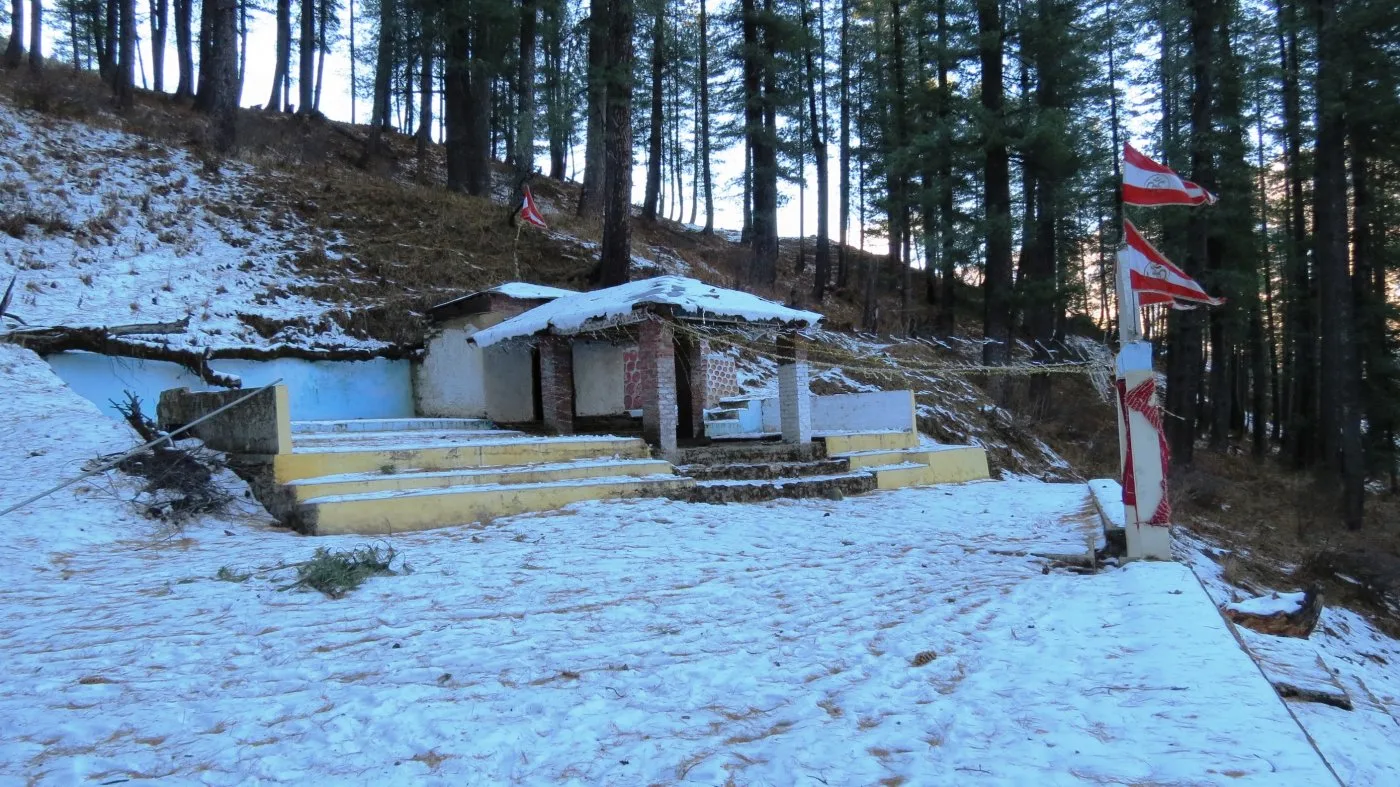
Heavy winter snow. The trail from Subhain to the temple is often blocked by deep snowdrifts.
Crowds
none
Heavy snow, freezing temperatures.
Heavy snow blocks the upper forest path.
February
Conditions
Peak winter conditions persist. The temple remains largely inaccessible without technical gear.
Crowds
none
Trail obscured by snow.
Trail mostly impassable.
March
Conditions
Snow begins to melt. The forest trails are extremely muddy and slippery.
Crowds
none
Slushy trails.
Melting snow creates deep, slippery mud.
April
Peak SeasonConditions
Spring arrives. Rhododendrons begin to bloom. Trail clears up and becomes safe to walk.
Crowds
medium
Spring begins. Excellent trekking weather.
May
Peak SeasonConditions
Peak pilgrimage season begins. Weather is excellent, clear, and sunny.
Crowds
high
Perfect summer trekking conditions. Trail is dry.
June
Peak SeasonConditions
Warm days. The forest is lush. Pre-monsoon showers might occur in the late afternoons.
Crowds
high
Warm during the ascent. Carry plenty of water.
July
Conditions
Monsoon strikes. The road from Joshimath to Saldhar is prone to landslides. Trail is heavily infested with leeches.
Crowds
none
Landslides, leeches, heavy rain.
Monsoon risk. Highway to Joshimath may block.
August
Conditions
Peak monsoon. Continuous rain makes the steep ascents muddy and dangerous.
Crowds
none
Slippery, dangerous trail conditions.
Heavy rain, leeches, muddy inclines. Avoid.
September
Peak SeasonConditions
Post-monsoon clarity. The forests are incredibly green, streams are full, and the air is crisp.
Crowds
medium
Forests are deeply green. Excellent clarity.
October
Peak SeasonConditions
The best month for views. Mildly cold in the mornings, but perfectly clear skies all day.
Crowds
high
Crisp, cold mornings. Best views of Nanda Devi peaks from Joshimath.
November
Peak SeasonConditions
Early winter sets in. Crisp, dry, and cold. Excellent for crowd-free trekking.
Crowds
medium
Very quiet, peaceful trekking. Carry a good jacket.
December
Conditions
First heavy snowfalls of the season begin. The trail becomes treacherous.
Crowds
none
Extreme cold, early winter storms.
First snows arrive. Can be done early in the month.
Plan Your Trek:
Still deciding?
Compare routes side-by-side to find the perfect match for your fitness, dates, and budget.
Timing makes or breaks a trek. Send this to your group before you decide.
Step 3: Route Intelligence
You've chosen a season.
Now see exactly how the route unfolds day by day, including terrain types and daily altitude profiles.
Explore the Itinerary