
Explore
Intelligence
Compare operators for
Bara Bhangal Trek
Compare operators for Bara Bhangal Trek
Interested in this trek?
We are currently vetting local partners for Bara Bhangal Trek to ensure the highest safety standards. Be the first to know when it's open for booking.
Are you a local operator?
Join our platform to list your verified packages for Bara Bhangal Trek and reach thousands of trekkers directly.
Found the right operator? Share this list with whoever's coming with you.
Better Prep.
Safer Expeditions.
Free professional-grade tools to audit your altitude safety and generate personalized gear checklists.
About Bara Bhangal Trek
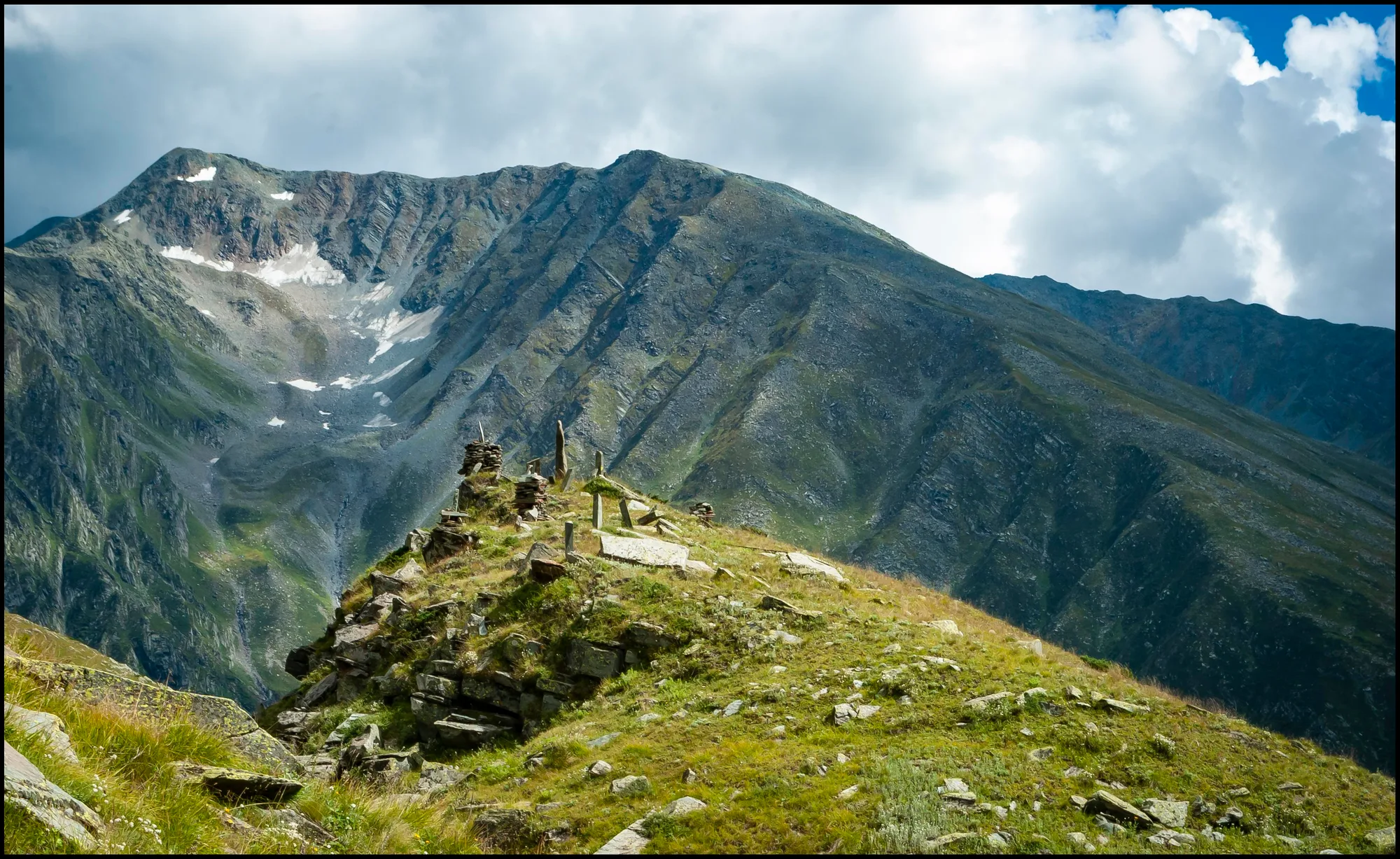
The Bara Bhangal Trek is a demanding crossover expedition to one of the most isolated inhabited villages in the Indian Himalayas. Traversing high mountain passes, remote valleys, and traditional shepherd trails, it is designed for experienced trekkers seeking a true wilderness journey.
Trek Highlights
Thamsar Pass (15,748 ft)
Standing on a razor ridge between the Kangra and Chamba valleys.
Bara Bhangal Village
Ancient stone houses huddled in a deep glacial valley, cut off from the modern world.
Uhl River Source
Massive glacial streams merging into a powerful river amidst giant peaks.
Common Questions
How remote is the village of Bara Bhangal?
Do I need technical gear for the passes?
Where do we get drinking water?
Is it possible to see the Gaddi shepherds?
What is the highest point reached?
Is there any emergency rescue available?
Can we hire mules in the village?
What is the best month?
Does the trek cross into a different district?
How remote is the village of Bara Bhangal?
Do I need technical gear for the passes?
Where do we get drinking water?
Is it possible to see the Gaddi shepherds?
What is the highest point reached?
Is there any emergency rescue available?
Can we hire mules in the village?
What is the best month?
Does the trek cross into a different district?
Are you a local operator?
Join our platform to list your verified packages for this trek.
Planning Bara Bhangal Trek?
Get route conditions, operator updates, and season windows before booking.
Don't miss out! Follow us for route updates@mountroutes|LinkedIn
No spam. Only useful trek updates.
Explore Collections