
Explore
Intelligence
Difficulty & Readiness Guide
Is Animal Pass Trek Difficult? — Fitness & Altitude Guide
Animal Pass is a Challenging 15,000 ft trek. It demands prior high-altitude experience due to severe AMS risks and grueling, unstable glacial moraines.
The Question
Can I do this trek?
Preparation Required
Advanced
Prior Experience
Required: At least 2-3 moderate Himalayan treks (above 13,000ft).
Expert Verdict
Highly technical trek requiring physical and mental preparation.
Animal Pass Trek
Himalayan Placement · Index 54Route Knowledge
Why is it difficult?
Exertion Index
Primary Challenge
Route Identity
Fast-paced or high-mileage route demanding excellent cardiovascular fitness across a pass-crossing route featuring scrambling and loose moraine.
Primary Drivers
- Maximum sleeping altitude of 12,460 ft
- Grueling summit push with 2,540 ft of elevation gain
- 3 consecutive high-output trekking days
- Peak daily distance of 24 km
View Full Route Analysis
Physiological Demand
Expect long, exhausting days of sustained climbing at high intensity. Your cardiovascular system will be pushed to its absolute limit.
Notable elevation gains and losses requiring good leg strength and joint resilience.
Comfortable pacing with good recovery options.
Below the major effects of altitude sickness. Air remains relatively dense.
Well-defined, stable trails with no technical maneuvers required.
Terrain Breakdown
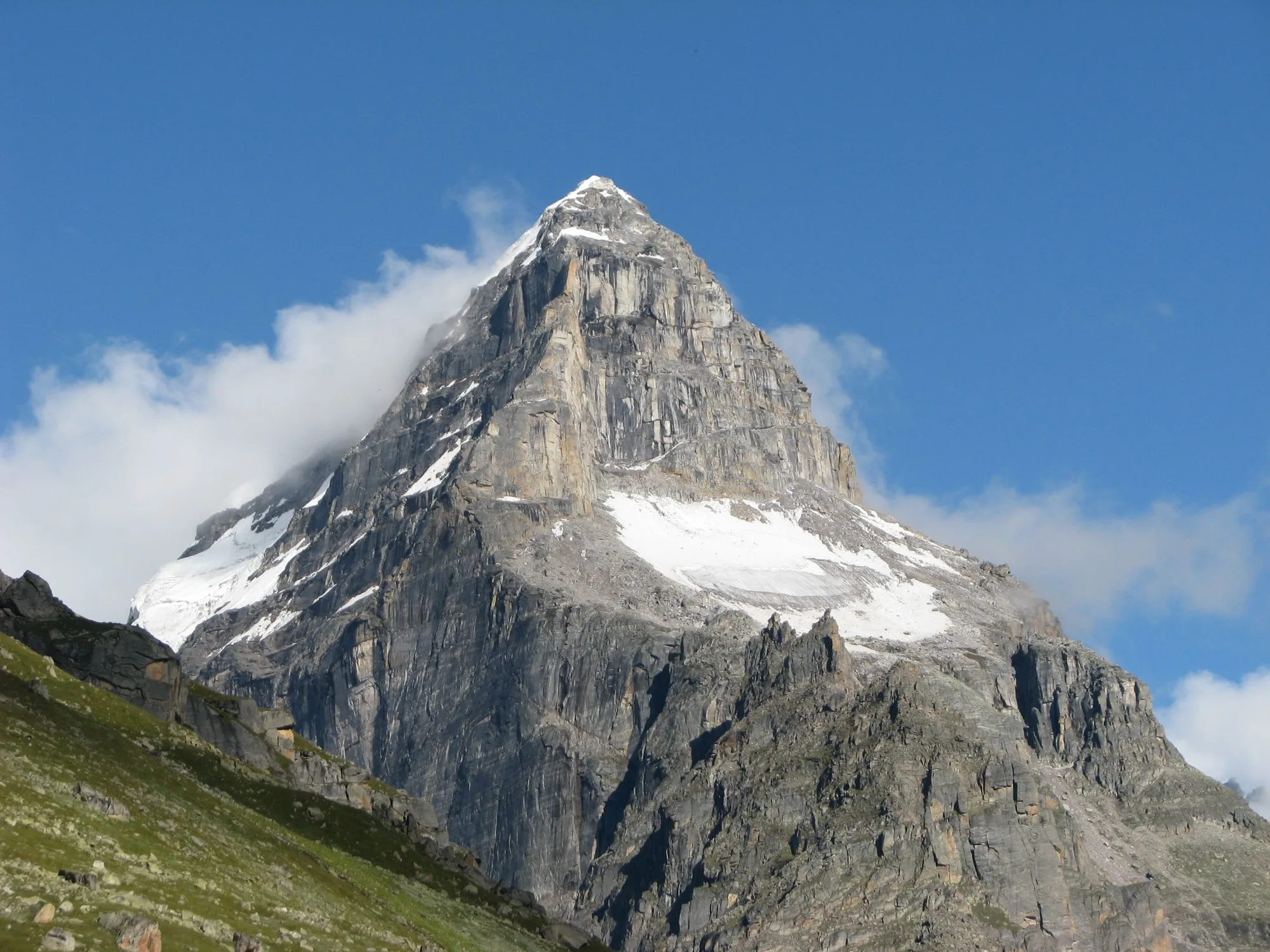
The first two days are standard alpine trails. However, approaching Shamshi Thach and the push to Animal Pass involves brutal, unstable glacial moraine (boulder hopping) which is extremely exhausting and requires intense focus.
Summit Day Notes
The climb to 15,000 ft is steep. The air is noticeably thin, and the weather at the pass can change from sunny to a blizzard in 20 minutes. Hypothermia and AMS are real threats if not paced correctly.
The Descent
Descending the moraines requires trekking poles. Slipping on a loose boulder can easily result in a fractured ankle, which is a massive logistical nightmare in this remote valley.
Altitude Profile
The jump from 12,460 ft to 15,000 ft on Day 4 is aggressive. Day 3 at Shamshi Thach is a critical acclimatization node.
Run AMS Risk Audit →Trail Performance Data
Max Gradient
35%
Hydration
0.8L per km recommended
Loose Surface Sections
- •Moraines from Shamshi Thach to Animal Pass
Personal Readiness
Am I ready?
What this route demands
People who feel comfortable on this route can usually:
Who Can Do This Trek?
Min Age
15+
Max Age
55
Western Toilets at Base
Yes
Solo Female Travelers
Tosh and Kasol are safe but chaotic. On the trail, you must travel with a verified group due to absolute isolation.
Hazard Profile
What goes wrong?
Common Mistakes on Animal Pass Trek
Most injuries and failures on this trail can be avoided by making smarter decisions early on.
Wearing lightweight trail running shoes instead of stiff, ankle-supporting boots on the moraines.
Underestimating the monsoon cold at 12,000+ ft and lacking proper rain/wind gear.
Attempting to walk onto the actual Tosh Glacier without ropes or an ice axe.
Ignoring early signs of AMS (headache, nausea) at Shamshi Thach.
Safety & Medical Risks
Key Risks
Acute Mountain Sickness (AMS), HAPE, and HACE due to the rapid push to 15,000 ft
Ankle fractures or deep lacerations on the unstable boulder moraines
Falling into hidden crevasses if wandering off-trail onto the Tosh Glacier
AMS (Altitude Sickness)
High risk. The altitude profile demands respect. If a trekker shows severe signs of AMS at Shamshi Thach, they must immediately descend to Buddhaban. Do not attempt the pass.
Evacuation Route
Manual stretcher back down the treacherous moraine to Tosh, followed by an immediate drive to the Kullu hospital (6+ hours). Helicopter evac is possible from Shamshi Thach if weather permits.
Solo Trekking
Strictly prohibited. The terrain is lethal for a solo trekker in the event of an injury.
Common Trail Ailments
🏥 Nearest ICU: Kullu Hospital / Chandigarh (Air Evac)
Tactical Emergency Hub
> Ground evacuation from the moraines is excruciatingly slow. Operators must carry satellite communicators to call for helicopter rescue from Shamshi Thach in case of HAPE/HACE.
Auditability
How is this calculated?
Understand This Route Further
Before attempting this route:
Still deciding?
Compare routes side-by-side to find the perfect match for your fitness, dates, and budget.
Still think it's doable? Share this with your trek mate and see if they agree.
Step 2: Seasonal Safety
You know how demanding this route is.
Now find the safest and most reliable season to attempt it.
Check Best Time to Go