
Explore
Intelligence
Season & Weather Guide
Best Time for Animal Pass Trek — Month-by-Month Guide
September is the ultimate window, offering crystal clear skies and stable weather, though August provides incredibly dramatic monsoon landscapes.
Seasonal Verdict
When should you go?
The optimum trekking window is during the summer and monsoon months (June to September). The monsoon brings heavy rain to the lower valleys but keeps the high-altitude meadows spectacularly lush.
Season at a Glance
Editor's Notes
Month by Month
What each month looks like
January
Conditions
Closed. Extremely heavy snowfall blocks the valley entirely.
Crowds
none
Deep snow accumulation, extreme cold, or closed trail conditions
Closed.
February
Conditions
Closed. Severe avalanche risk and deep winter conditions.
Crowds
none
Deep snow accumulation, extreme cold, or closed trail conditions
Closed.
March
Conditions
Closed. Trails remain buried under unstable snowpack.
Crowds
none
Deep snow accumulation, extreme cold, or closed trail conditions
Closed. Avalanche risk high.
April
Conditions
Closed. Spring melt begins, but glacial streams are uncrossable.
Crowds
none
Deep snow accumulation, extreme cold, or closed trail conditions
Closed to general trekking.
May
Peak SeasonConditions
Late May opens for expeditions. Snow is still very deep near Shamshi Thach.
Crowds
medium
Expedition style only. Deep snow at Shamshi Thach.
June
Peak SeasonConditions
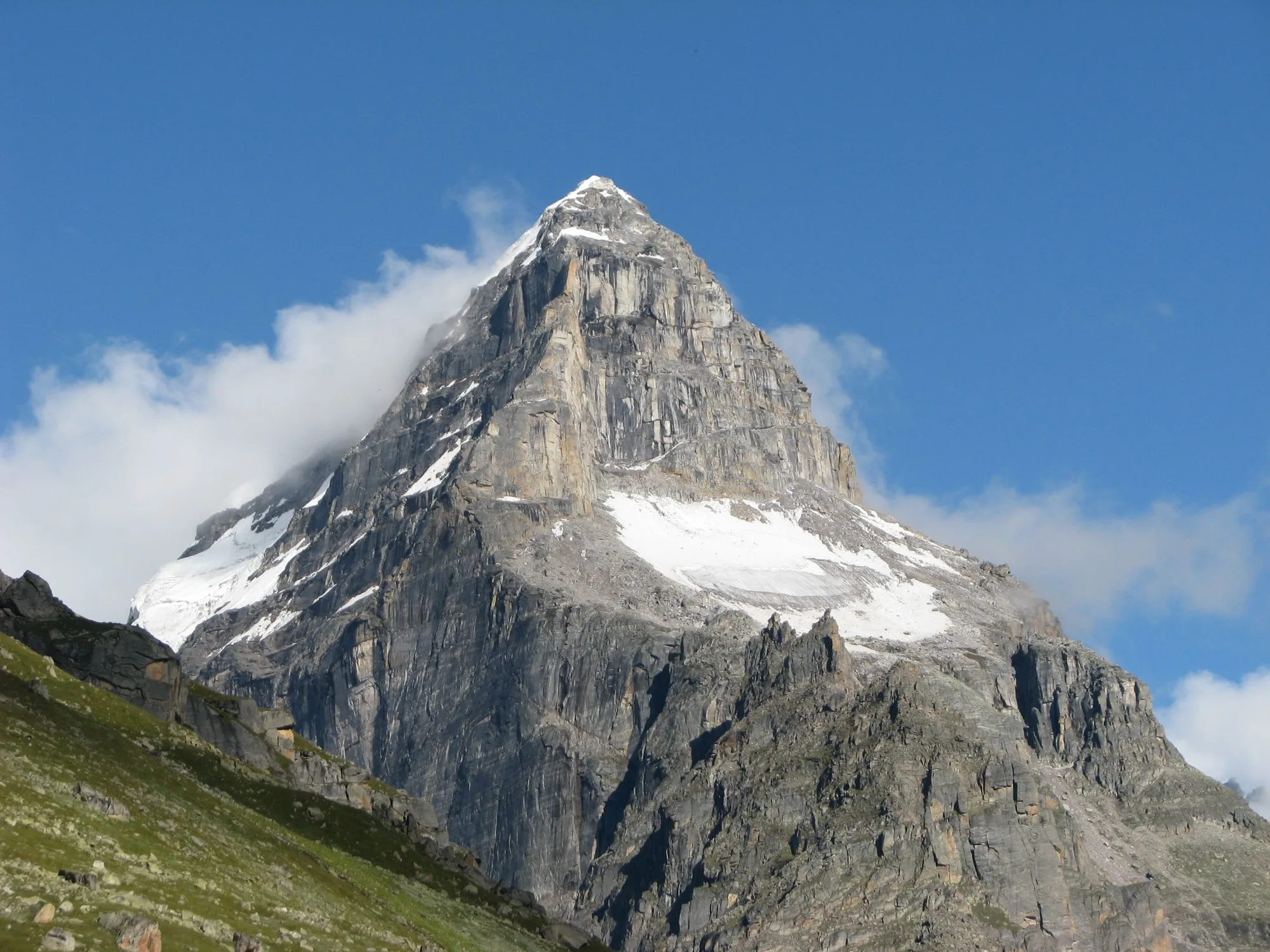
Excellent. The trails clear up, and the snowline recedes. Clear views of Papsura.
Crowds
medium
Excellent window. The ice formations on Tosh Glacier are stunning.
July
Conditions
Monsoon begins. Lower trails to Buddhaban get muddy, but the high-altitude meadows explode with alpine flowers.
Crowds
low
Monsoon rains and trail surface degradation
Monsoon hits. Wet in the forests, but meadows are beautiful. High quality rain gear required.
August
Peak SeasonConditions
Peak monsoon. Waterproof gear is mandatory. The glacier looks dramatic against the dark rain clouds.
Crowds
medium
Peak monsoon. Be cautious of slippery boulders and swollen glacial streams.
September
Peak SeasonConditions
The absolute best time. The rains retreat, leaving the valley washed clean with razor-sharp mountain views.
Crowds
medium
The best month. Rains stop, the sky clears perfectly, and the glacier is highly visible.
October
Peak SeasonConditions
Early October is feasible but very cold. By late October, the trek closes due to incoming winter storms.
Crowds
medium
Very cold but pristine visibility. Prepare for sub-zero nights at Shamshi Thach.
November
Conditions
Closed. Extremely cold with fresh snow accumulation.
Crowds
none
Deep snow accumulation, extreme cold, or closed trail conditions
Too cold for standard trekking. Closing window.
December
Conditions
Closed. Deep winter.
Crowds
none
Deep snow accumulation, extreme cold, or closed trail conditions
Closed.
Plan Your Trek:
Still deciding?
Compare routes side-by-side to find the perfect match for your fitness, dates, and budget.
Timing makes or breaks a trek. Send this to your group before you decide.
Step 3: Route Intelligence
You've chosen a season.
Now see exactly how the route unfolds day by day, including terrain types and daily altitude profiles.
Explore the Itinerary