Animal Pass Trek — compare operators and pricing

Compare operators for Animal Pass Trek

Himachal PradeshChallenging

Interested in this trek?

We are currently vetting local partners for Animal Pass Trek to ensure the highest safety standards. Be the first to know when it's open for booking.

Are you a local operator?

Join our platform to list your verified packages for Animal Pass Trek and reach thousands of trekkers directly.

Apply to join

Found the right operator? Share this list with whoever's coming with you.

About Animal Pass Trek

6 Days
15,000 FT
Challenging

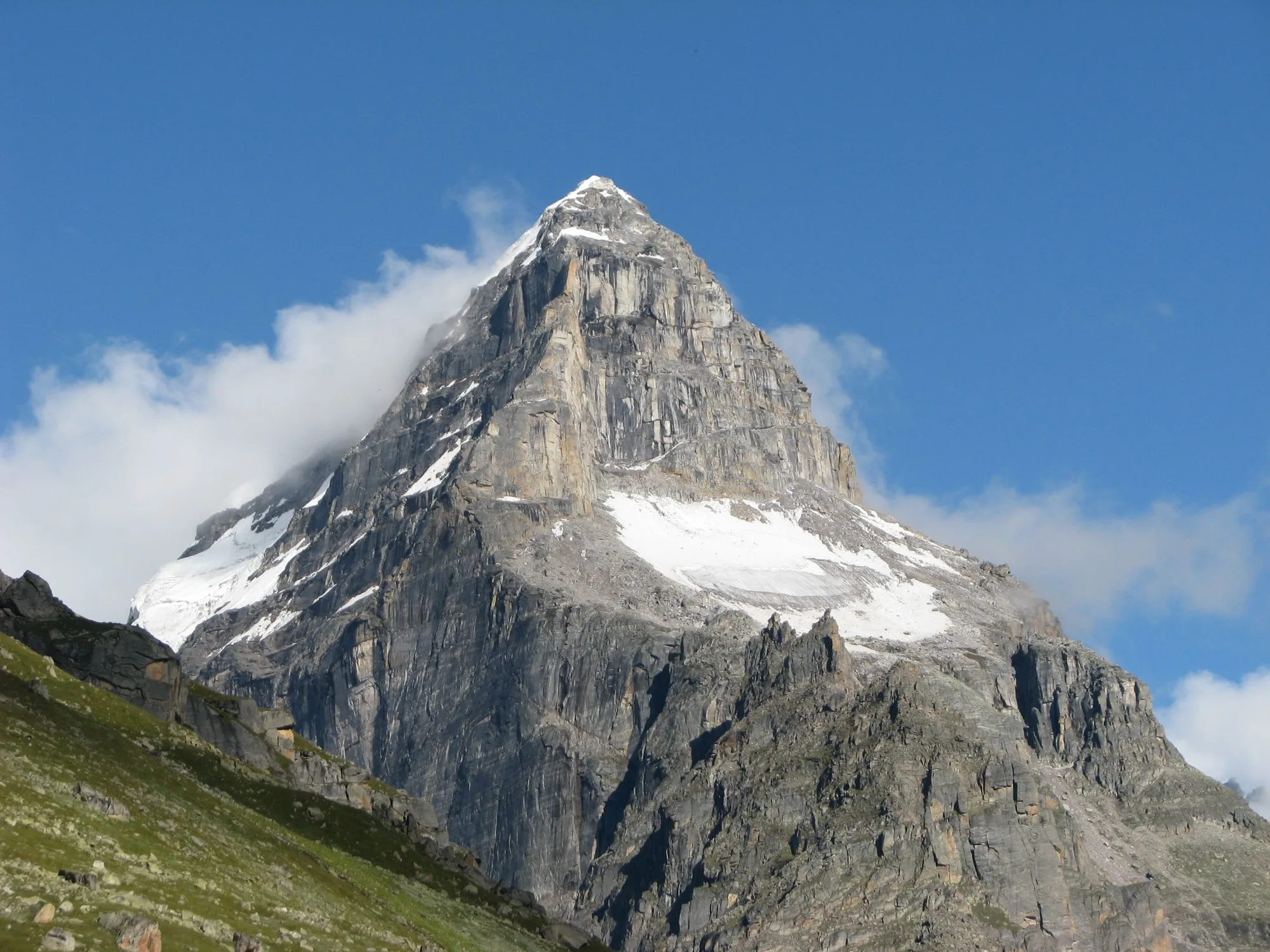
The Animal Pass Trek explores the upper reaches of the Tosh Valley, leading through alpine meadows, glacial moraines, and the rugged terrain surrounding the Tosh Glacier. Reaching around 15,000 ft, the expedition offers close views of Papsura and White Sail while providing a challenging alternative to the region's better-known trekking routes.

Trek Highlights

Tosh Glacier Snout

A massive, chaotic field of ice, crevasses, and blue glacial pools sitting beneath the 6,000m peaks.

Animal Pass (15,000 ft)

The high ridge offering an unparalleled, intimidating face-to-face view of Mt. Papsura.

Shamshi Thach

A hauntingly beautiful, isolated base camp surrounded by towering moraine walls.

View Complete Trek Guide

Common Questions

Is the Animal Pass trek suitable for beginners?
No. This trek is graded Moderate to Challenging. It requires navigating steep glacial moraines, boulder fields, and reaching an altitude of 15,000 feet. Prior high-altitude trekking experience (above 12,000 ft) is highly recommended.
Why is it called Animal Pass?
The pass earned its name because local shepherds historically used this route to guide their flocks of sheep and goats over the ridge during the summer grazing months.
Will we actually walk on the Tosh Glacier?
The trail takes you to the snout and the lateral moraines of the Tosh Glacier. Walking directly on the main body of the glacier is highly dangerous due to hidden crevasses and requires roped mountaineering travel, which is not part of this standard trekking itinerary.
What are the main hazards on this trek?
The primary hazards are Acute Mountain Sickness (AMS) due to the 15,000 ft altitude, twisted ankles on the unstable boulder moraines near Shamshi Thach, and unpredictable, rapid weather changes characteristic of the Parvati valley.
Is there mobile connectivity on the trail?
You will get network coverage (Jio, Airtel, BSNL) in Kasol and sporadically in Tosh. Once you leave Tosh and enter the Buddhaban forest, there is zero mobile network for the remainder of the trek.
What is the best time to do this trek?
The best window is from June to mid-September. Unlike many other Himalayan regions, the Parvati valley is highly scenic during the monsoon, though trekkers must be prepared for rain in the lower sections.
Where is the nearest medical help?
The nearest basic medical dispensary is in Barshaini/Kasol. For serious emergencies like HAPE or HACE, evacuation must be done to the major district hospital in Kullu, which is several hours away by road from the trailhead.
Can I do this trek solo?
Absolutely not. The trail above Buddhaban is completely unmarked, the boulder fields are confusing, and the isolation means a rolled ankle could be fatal if alone. Always trek with a certified local guide.
Is the Animal Pass trek suitable for beginners?
No. This trek is graded Moderate to Challenging. It requires navigating steep glacial moraines, boulder fields, and reaching an altitude of 15,000 feet. Prior high-altitude trekking experience (above 12,000 ft) is highly recommended.
Why is it called Animal Pass?
The pass earned its name because local shepherds historically used this route to guide their flocks of sheep and goats over the ridge during the summer grazing months.
Will we actually walk on the Tosh Glacier?
The trail takes you to the snout and the lateral moraines of the Tosh Glacier. Walking directly on the main body of the glacier is highly dangerous due to hidden crevasses and requires roped mountaineering travel, which is not part of this standard trekking itinerary.
What are the main hazards on this trek?
The primary hazards are Acute Mountain Sickness (AMS) due to the 15,000 ft altitude, twisted ankles on the unstable boulder moraines near Shamshi Thach, and unpredictable, rapid weather changes characteristic of the Parvati valley.
Is there mobile connectivity on the trail?
You will get network coverage (Jio, Airtel, BSNL) in Kasol and sporadically in Tosh. Once you leave Tosh and enter the Buddhaban forest, there is zero mobile network for the remainder of the trek.
What is the best time to do this trek?
The best window is from June to mid-September. Unlike many other Himalayan regions, the Parvati valley is highly scenic during the monsoon, though trekkers must be prepared for rain in the lower sections.
Where is the nearest medical help?
The nearest basic medical dispensary is in Barshaini/Kasol. For serious emergencies like HAPE or HACE, evacuation must be done to the major district hospital in Kullu, which is several hours away by road from the trailhead.
Can I do this trek solo?
Absolutely not. The trail above Buddhaban is completely unmarked, the boulder fields are confusing, and the isolation means a rolled ankle could be fatal if alone. Always trek with a certified local guide.

Are you a local operator?

Join our platform to list your verified packages for this trek.

Apply to join
MountRoutes Dispatch

Planning Animal Pass Trek?

Get route conditions, operator updates, and season windows before booking.

Don't miss out! Follow us for route updates@mountroutes|LinkedIn

No spam. Only useful trek updates.

Explore Collections

Not sure where to go next?

View all