We are currently vetting local partners for Panpatia Col Expedition to ensure the highest safety standards. Be the first to know when it's open for booking.
Are you a local operator?
Join our platform to list your verified packages for Panpatia Col Expedition and reach thousands of climbers directly.
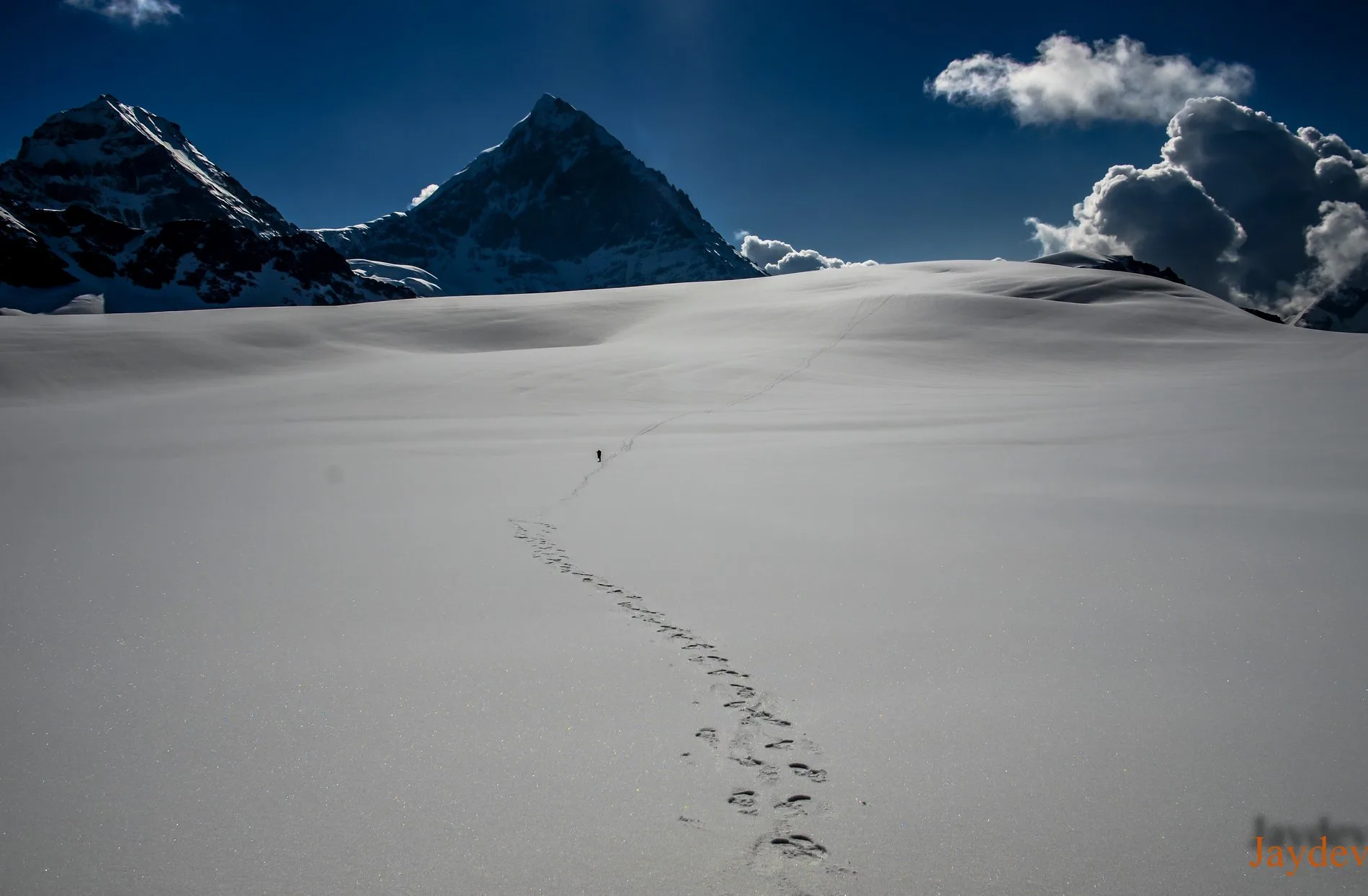
Panpatia Tal at 13,800 ft is a remote glacial lake in the Kedarnath Wildlife Sanctuary above the Madmaheshwar valley — one of the least-known high lakes in the entire Garhwal Himalaya. This 5-day difficult trek from Ukhimath via Madmaheshwar branches deep into the wildlife sanctuary beyond the popular Kedarkantha circuit, entering a lake basin guarded by the Kedarnath and Kedarganga peaks. Fewer than 100 trekkers reach the lake annually — one of India's most pristine wilderness destinations.
Expedition Highlights
Panpatia Col Panorama (18,400 ft)
The full Kedarnath-Chaukhamba-Badrinath-Neelkanth panorama from the col — one of the great sacred geographical views in the Himalaya.
Yes, but the glacial zone near Kedarnath is within a restricted sanctuary. Forest/sanctuary permit from Kedarnath Wildlife Sanctuary is required. The route is legally accessible with correct permits.
How many people cross Panpatia Col per year?
Perhaps 5-15 successful crossings per year in good conditions. One of India's rarest crossing achievements.
What makes this crossing 'holy'?
The cultural significance of physically connecting two of the four Char Dham pilgrimage sites (Kedarnath + Badrinath) on foot via the high glacier divide is considered a supreme pilgrimage accomplishment in Garhwali Brahmin and Shaivite tradition.
What is the technical difficulty?
The col approach involves sustained 40-50 degree glacier sections with crevasse zones. Fixed rope mandatory on the summit approach. This is a serious high-altitude mountaineering objective.
What is the Kedarnath approach like?
The approach from Kedarnath goes above the temple complex into the upper sanctum of the Kedarnath mountain bowl — terrain of extraordinary spiritual atmosphere and glacial grandeur that almost no visitor to Kedarnath ever sees.
What are the views from the col?
360-degree panorama of the entire Kedar-Badrinath massif — Kedarnath (6,940m), Chaukhamba (7,138m), Badrinath (7,198m), and the full Gangotri range visible on exceptionally clear days.
When was this route first documented?
Historical accounts suggest ancient ascetic crossings. In the modern era, early Himalayan Club expeditions documented the route in the 1930s-40s. Eric Shipton's Himalayan accounts reference the col area.
What is the safest season?
Late May to early June (after Kedarnath pilgrimage route opens, before monsoon) and September (post-monsoon window before October snow).
Is acclimatization at Kedarnath helpful?
Extremely — Kedarnath temple at 11,755 ft is an excellent acclimatization base. Spend 3 nights there before starting.
What permits are needed?
Kedarnath Wildlife Sanctuary permit + Forest Department high altitude trekking permit. Arranged via DFO Rudraprayag/Chamoli.
Is this a permitted route?
Yes, but the glacial zone near Kedarnath is within a restricted sanctuary. Forest/sanctuary permit from Kedarnath Wildlife Sanctuary is required. The route is legally accessible with correct permits.
How many people cross Panpatia Col per year?
Perhaps 5-15 successful crossings per year in good conditions. One of India's rarest crossing achievements.
What makes this crossing 'holy'?
The cultural significance of physically connecting two of the four Char Dham pilgrimage sites (Kedarnath + Badrinath) on foot via the high glacier divide is considered a supreme pilgrimage accomplishment in Garhwali Brahmin and Shaivite tradition.
What is the technical difficulty?
The col approach involves sustained 40-50 degree glacier sections with crevasse zones. Fixed rope mandatory on the summit approach. This is a serious high-altitude mountaineering objective.
What is the Kedarnath approach like?
The approach from Kedarnath goes above the temple complex into the upper sanctum of the Kedarnath mountain bowl — terrain of extraordinary spiritual atmosphere and glacial grandeur that almost no visitor to Kedarnath ever sees.
What are the views from the col?
360-degree panorama of the entire Kedar-Badrinath massif — Kedarnath (6,940m), Chaukhamba (7,138m), Badrinath (7,198m), and the full Gangotri range visible on exceptionally clear days.
When was this route first documented?
Historical accounts suggest ancient ascetic crossings. In the modern era, early Himalayan Club expeditions documented the route in the 1930s-40s. Eric Shipton's Himalayan accounts reference the col area.
What is the safest season?
Late May to early June (after Kedarnath pilgrimage route opens, before monsoon) and September (post-monsoon window before October snow).
Is acclimatization at Kedarnath helpful?
Extremely — Kedarnath temple at 11,755 ft is an excellent acclimatization base. Spend 3 nights there before starting.
What permits are needed?
Kedarnath Wildlife Sanctuary permit + Forest Department high altitude trekking permit. Arranged via DFO Rudraprayag/Chamoli.
Are you a local operator?
Join our platform to list your verified packages for this expedition.