
Explore
Intelligence
Detailed Route
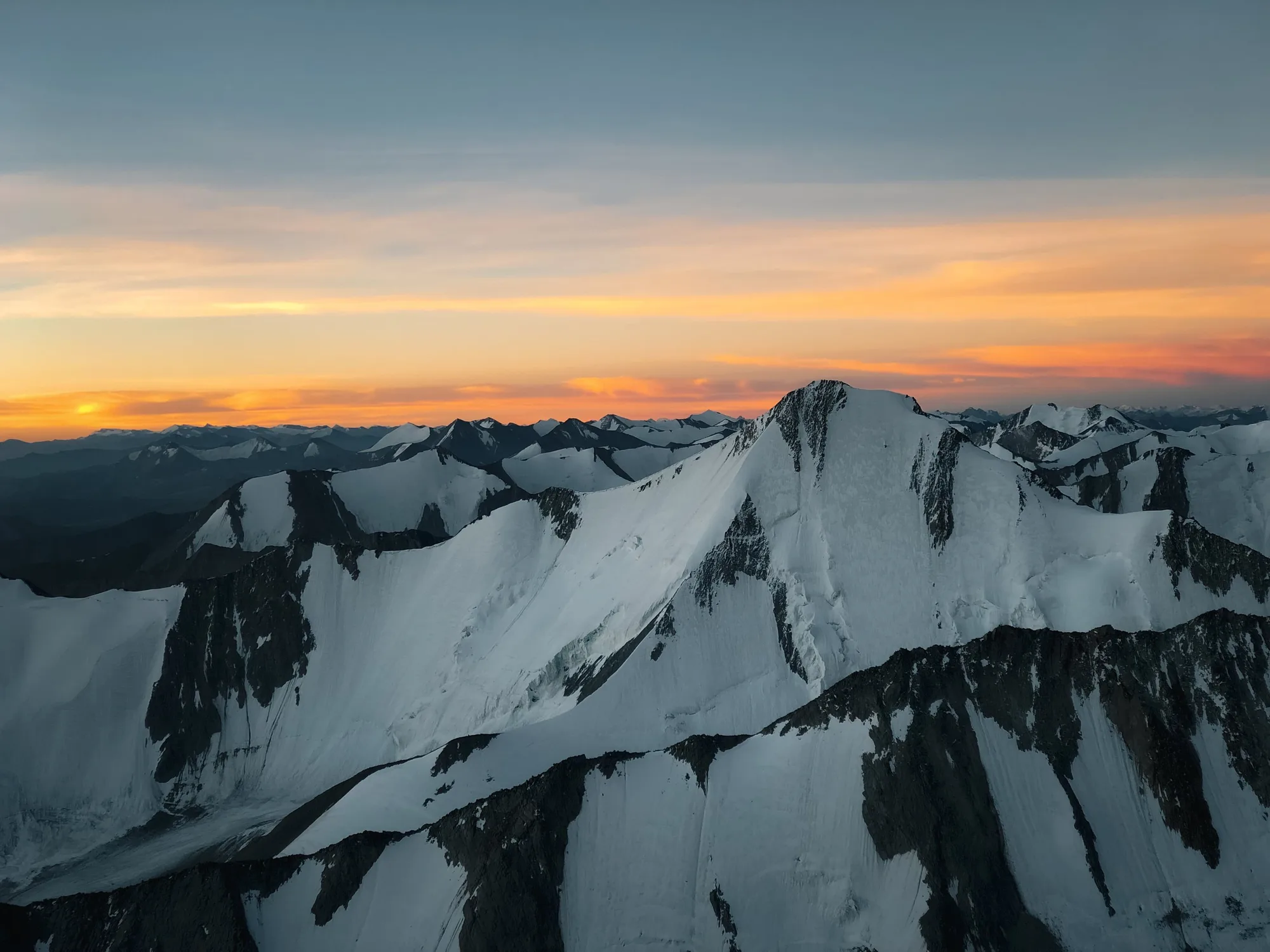
Dzo Jongo East Peak Expedition Itinerary — Day by Day Route & Camps
A high-fidelity 12-day program from Leh, trekking through Skiu, Markha, Nimaling to the Dzo Jongo East BC, with a reserve day before returning via Kongmaru La.
Standard RouteThis is the baseline pacing strategy for this expedition. Expedition leaders frequently modify rotation schedules, add reserve weather days, or adjust high camps based on real-time mountain conditions. Consult the operator's expedition dossier for their precise approach.
Duration
12 Days
Total Distance
85 KM
Max Altitude
20,299 FT
Trek Type
Standard
Permits Required Before You Go
Foreigner Process
Requires PAP/ILP and IMF clearances.
Nearest Embassy Hub
New Delhi
Day by Day Breakdown
Camp Alt
11,500 ft
Day Gain
0 ft
Today's Objective
☕ Acclimatization & Recovery
No exertion. Altitude 3,500m. Complete rest mandatory to prevent AMS.
Key Landmarks
The team holds position within the alpine meadow basin, monitoring weather patterns and adapting to the thinning atmosphere.
Camp Alt
11,500 ft
Day Gain
0 ft
Today's Objective
☕ Acclimatization & Recovery
Short walk to Namgyal Tsemo monastery or Leh Market. Keep hydrated and check SpO2 levels.
Key Landmarks
The team holds position within the alpine meadow basin, monitoring weather patterns and adapting to the thinning atmosphere.
Camp Alt
10,990 ft
Day Gain
-510 ft
Drive to Chilling & Trek to Skiu
Drive ~2hrs along the Indus river to Chilling, then cross the Zanskar river and trek into Markha Valley canyon.
Key Landmarks
Vegetation gives way to barren glacial debris as the route enters the expansive moraine basin and ablation zone of the Zanskar range watershed.
Field Notes
KEY ACTIONRiver Crossings
Plan to cross early in the day before snowmelt swells the water levels. Unclip backpack waist belts before crossing.
Camp Alt
11,800 ft
Day Gain
+810 ft
Reach Markha Village
Trek along the Markha river. Cross multiple wooden bridges and pass ancient stupas and remote hamlets.
Key Landmarks
Crossing the high-altitude pass bridges two distinct watershed systems, shifting the expedition over the glaciated divide and down into a new river basin.
Field Notes
KEY ACTIONRiver Crossings
Plan to cross early in the day before snowmelt swells the water levels. Unclip backpack waist belts before crossing.
Use Trekking Poles
Trekking poles are highly recommended to save your knees on the descent.
INFOSlower Progress
Progress will be significantly slower and more taxing on your ankles than trail distance suggests.
Camp Alt
13,780 ft
Day Gain
+1,980 ft
Reach Thachungtse
The canyon widens into beautiful alpine pastures. Enjoy the first clear views of Kang Yatse massif.
Key Landmarks
Vegetation gives way to barren glacial debris as the route enters the expansive moraine basin and ablation zone of the glaciated upper watershed.
Field Notes
Use Trekking Poles
Trekking poles are highly recommended to save your knees on the descent.
INFOSlower Progress
Progress will be significantly slower and more taxing on your ankles than trail distance suggests.
Camp Alt
15,420 ft
Day Gain
+1,640 ft
Reach Nimaling
Short but steep climb to the stunning high-altitude pasture plateau of Nimaling at 4,700m.
Key Landmarks
Vegetation gives way to barren glacial debris as the route enters the expansive moraine basin and ablation zone of the glaciated upper watershed.
Field Notes
Use Trekking Poles
Trekking poles are highly recommended to save your knees on the descent.
INFOSlower Progress
Progress will be significantly slower and more taxing on your ankles than trail distance suggests.
Camp Alt
16,570 ft
Day Gain
+1,150 ft
Reach Dzo Jongo East Base Camp
Approach the Dzo Jongo East base camp near the lateral moraine. Establish camp at 5,050m.
Key Landmarks
Vegetation gives way to barren glacial debris as the route enters the expansive moraine basin and ablation zone of the glaciated upper watershed.
Field Notes
Use Trekking Poles
Trekking poles are highly recommended to save your knees on the descent.
INFOSlower Progress
Progress will be significantly slower and more taxing on your ankles than trail distance suggests.
Camp Alt
16,570 ft
Day Gain
0 ft
Today's Objective
☕ Acclimatization & Recovery
Crampon and ice-axe practice on nearby snow slopes. Rest and load up on calories and fluids.
The expedition remains stationed within the high-altitude ablation zone, adjusting to the stark environment where exposed scree and ice dominate the glaciated upper watershed.
Camp Alt
16,570 ft
Day Gain
0 ft
Today's Objective
🏔 Summit Return Dzo Jongo East Base Camp
Alpine start at 2 AM. Gradual snow ascent via the East Ridge. Summit at 20,305ft. Return to Base Camp.
Key Landmarks
The final ascent leaves the upper glacial basin for the exposed summit ridges, offering panoramic views across the watershed divide before descending back to the icefields.
Field Notes
KEY ACTIONVertical Sections
Expect steep sections requiring jumars and rappelling on fixed lines.
KEY ACTIONHarness Gear
Harness-compatible gear is mandatory.
Use Trekking Poles
Trekking poles are highly recommended to save your knees on the descent.
INFOSlower Progress
Progress will be significantly slower and more taxing on your ankles than trail distance suggests.
Camp Alt
16,570 ft
Day Gain
0 ft
Today's Objective
☕ Acclimatization & Recovery
Reserve day in case of high winds or bad weather on Day 9. Otherwise full recovery day.
The expedition remains stationed within the high-altitude ablation zone, adjusting to the stark environment where exposed scree and ice dominate the glaciated upper watershed.
Camp Alt
11,500 ft
Day Gain
-5,070 ft
Trek to Chilling & Drive to Leh
Trek via the high pass of Kongmaru La (5,236m) and descend down the narrow gorge to Chokdo, then drive to Leh.
Key Landmarks
The barren ice and moraine of the upper basin transition quickly back into alpine scrub and barren plateau grazing lands as the route loses elevation.
Camp Alt
11,500 ft
Day Gain
0 ft
Departure
Transfer to Leh airport for departure flight. End of expedition.
The motorable road navigates deeper into the mountain river corridor, where the landscape transitions from lower foothills into the steep, dense forested valleys.
Camp-by-Camp Details
Dzo Jongo East Base Camp
Base Camp
Water
Glacial melt
Wind
Moderate
Night Temp
-8°C
Nimaling
acclimatization_camp
Water
Streams
Night Temp
-5°C
Plan Your Expedition:
Ready to book? Compare verified operators for Dzo Jongo East Peak Expedition — transparent pricing, no paid rankings.
Still deciding?
Compare routes side-by-side to find the perfect match for your fitness, dates, and budget.
Day by day, camp by camp. Send this to your group so everyone's on the same page.
Step 4: Safety & Framework
You understand the route.
Now understand the hazards, physiology, and Go/No-Go decision framework.
View Safety Framework