
Explore
Intelligence
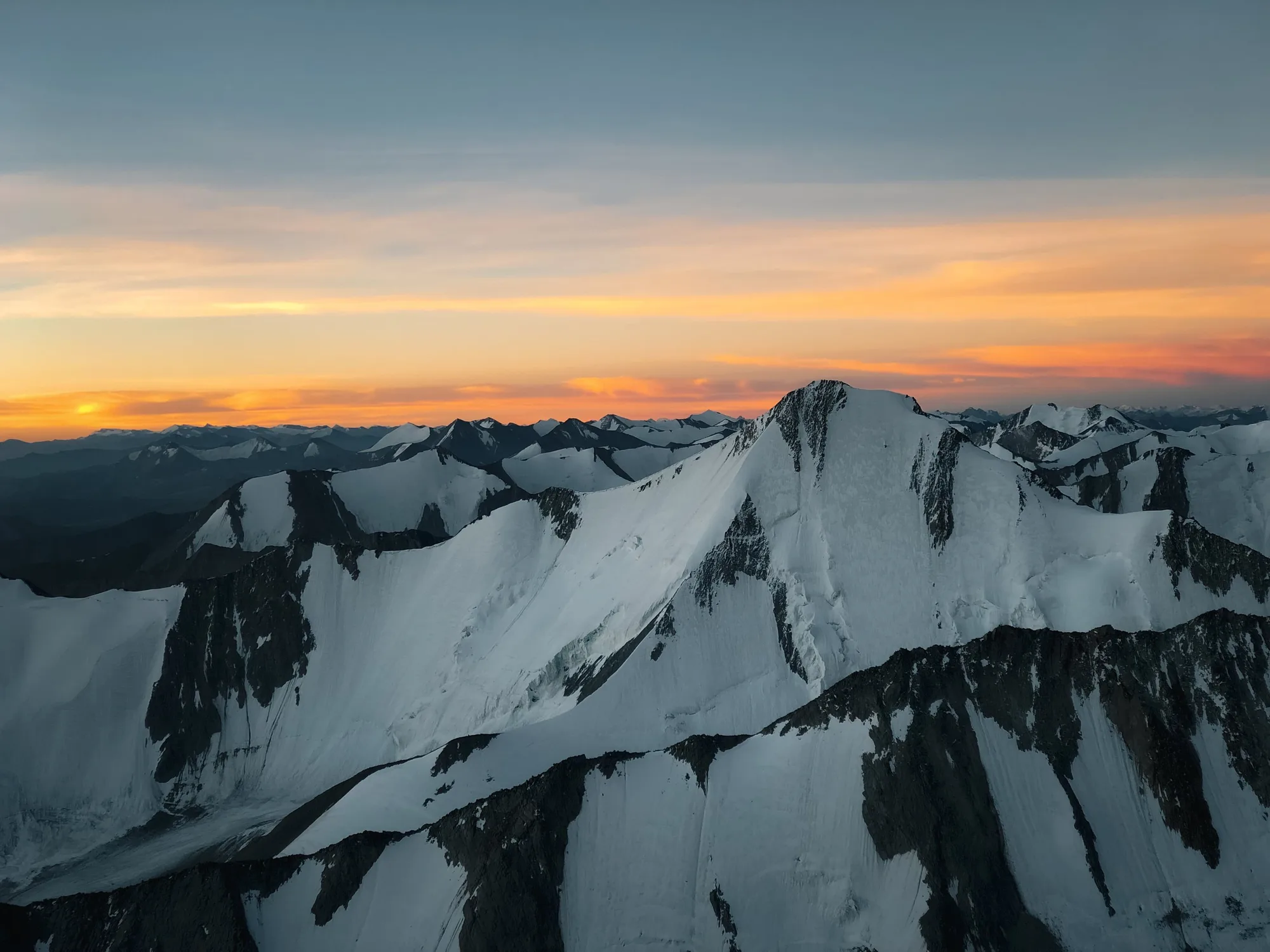
Season & Weather Guide
Best Time for Dzo Jongo East Peak Expedition — Month-by-Month Guide
The perfect window is July to September, benefiting from dry mountain conditions due to the Tibetan rain shadow.
Summit Window
When is it climbable?
Summit Weather Window
High from late September onwards.
Alpine Start
02:00 AM – 10:00 AM
Clearer morning skies, low winds, and stable snowpack.
Forecast Source
Meteoblue Leh
Conditions by Month
Aug
Sep
Lightning Risk
July
July and August offer prime snow stability, while September provides peak visibility. Being in the Markha Valley rain shadow, this region remains accessible during the Indian monsoon.
Season at a Glance
Editor's Notes
Month by Month
What each month looks like
January
Conditions
Extreme winter conditions.
Crowds
none
Markha Valley is frozen and inaccessible, with extreme winter cold at 6,189m.
Closed. Extreme winter conditions.
February
Conditions
Extreme winter conditions.
Crowds
none
Markha Valley is frozen and inaccessible, with extreme winter cold at 6,189m.
Closed. Extreme winter conditions.
March
Conditions
Deep unconsolidated snow.
Crowds
none
High avalanche risk on the East Ridge due to deep winter snow accumulation.
Early season. Deep snow accumulations.
April
Conditions
Valley thawing but peak heavily corniced.
Crowds
none
Heavy cornices and unstable snow on the exposed summit ridge.
Early season. Deep snow accumulations.
May
Conditions
Unstable snow conditions.
Crowds
none
Snowpack remains soft and unstable, increasing exhaustion and avalanche hazard.
Prime pre-monsoon window. Good snow stability.
June
Conditions
Early season. Summit snow is soft and demanding.
Crowds
none
Soft snow makes the final 200m ridge push excessively demanding and unsafe.
Prime pre-monsoon window. Good snow stability.
July
RecommendedConditions
Snow hardened. First prime window. High wildflower season in Markha.
Crowds
low
Peak season in rain shadow. River crossings swell.
August
RecommendedConditions
Peak season. Hardest snowpack, most stable weather. Best summit odds.
Crowds
low
Peak season in rain shadow. River crossings swell.
September
RecommendedConditions
Crystal clear visibility. Cold nights. Excellent summit conditions.
Crowds
low
Crystal clear skies. Best visibility of the year.
October
Conditions
Increasingly cold with high winds.
Crowds
none
High jet stream impact causes dangerous wind exposure on the final scree and snow ridge.
Crystal clear skies. Best visibility of the year.
November
Conditions
Winter onset.
Crowds
none
Severe cold and winter snowfall close the Markha Valley approach.
Winter setting in. Sub-zero temperatures rapid.
December
Conditions
Extreme winter conditions.
Crowds
none
Markha Valley is frozen and inaccessible, with extreme winter cold at 6,189m.
Closed. Extreme winter conditions.
Photography & Light Conditions
Sunrise Spot
Summit Ridge
Recommended Lenses
Astrophotography
Drones not permitted
Cold battery depletion
Plan Your Expedition:
Still deciding?
Compare routes side-by-side to find the perfect match for your fitness, dates, and budget.
Timing makes or breaks a trek. Send this to your group before you decide.
Step 3: Route Intelligence
You've chosen a season.
Now see exactly how the route unfolds day by day, including terrain types and daily altitude profiles.
Explore the Itinerary