
Explore
Intelligence
Borasu Pass vs Traill's Pass
Which summit should you attempt next?
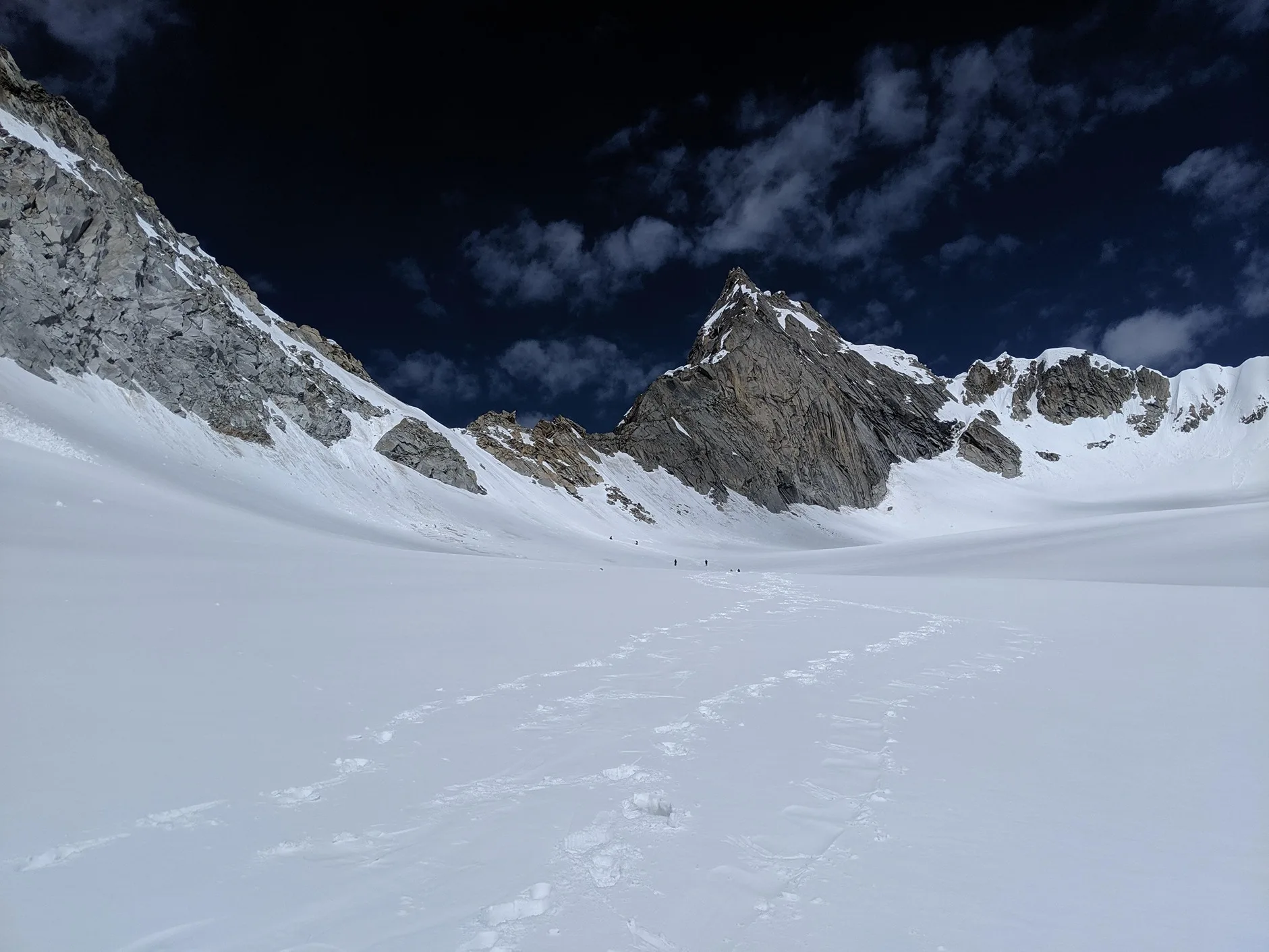
Borasu Pass Expedition
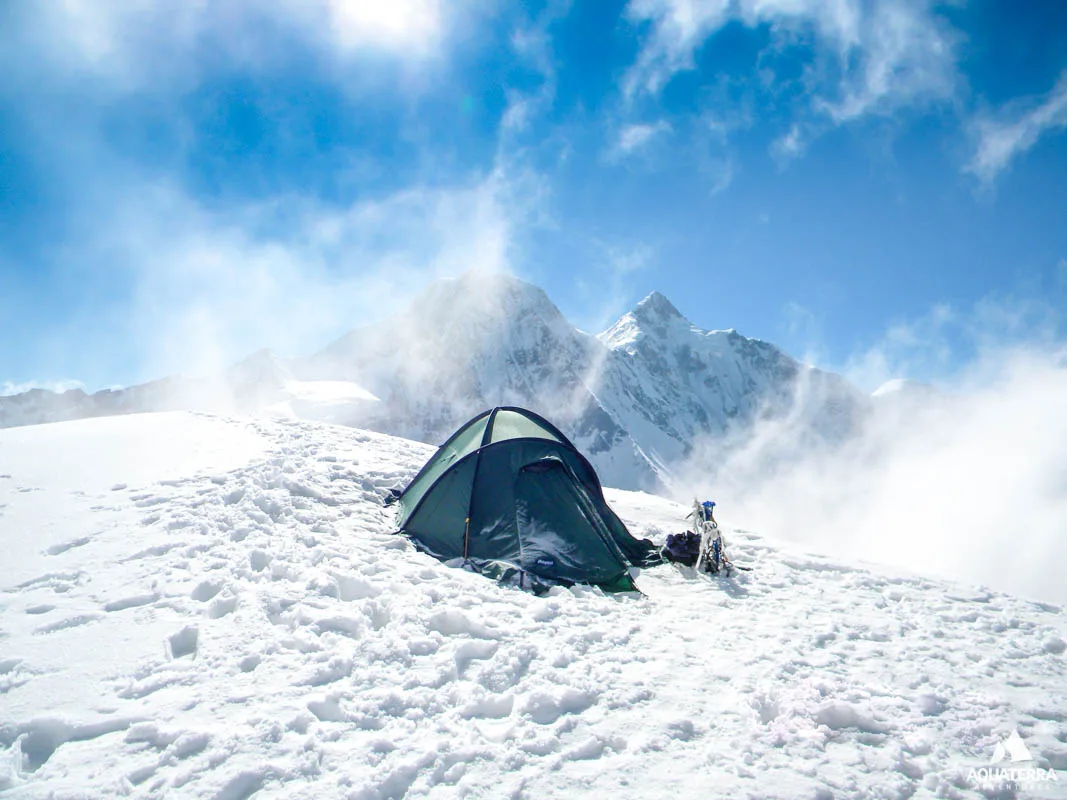
Traill's Pass Expedition
Borasu Pass — The fast-and-light strike
Traill's Pass — A deep, multi-day immersion
MountRoutes Recommendation
Borasu Pass is best if safer, more predictable progression path
Traill's Pass is best if maximum high-altitude exposure is your absolute priority
At A Glance
Why They Differ
Altitude Profile
These two are hard to compare — the signals point in different directions.
Borasu Pass Expedition and Traill's Pass Expedition each demand something different. One is higher-altitude but more accessible; the other is technically harder at lower elevation. Make sure you're comparing the right thing for your goals before committing.
Fairer comparisons
Your Next Step
Choose the hardest trek you've completed. We'll show how these routes compare.
Choose an anchor trek to see your personalized difficulty mapping.
Progression is one thing.
Physical readiness is another.
Your Fitness Matchboard
Can your body handle these routes?
Find out whether you're ready now, need more training, or should choose an easier objective. Takes 2 minutes.
Best For
Final Recommendation
Baseline RecommendationMountRoutes Pick
Borasu Pass
Why we recommend this
Borasu Pass provides a concise, focused objective requiring less total trail endurance, making it a highly efficient entry point.
- Safer, more predictable progression path
- More forgiving overall acclimatization profile
- Requires less sustained trail endurance (shorter duration)
- Optimal benchmark for first-time or transitioning aspirants
Alternative Pick
Traill's Pass
Choose instead if...
- Maximum high-altitude exposure is your absolute priority
- You are fully prepared for a steeper, more intense exertion curve
- You already have strong technical or multi-day expedition experience
The Hardest Day
MethodologyBoth routes are demanding. But they test different capabilities.
Borasu Pass · Hardest Phase
Days 5–6
Why Trekkers Struggle
Most trekkers fail on Borasu Pass because fatigue quietly accumulates across multiple days. The summit push arrives after reserves have already been depleted by cold, altitude, and repeated effort.
Best Suited For
Grinders who can sleep poorly and still perform at a high level on day seven.
What Makes It Difficult
- Consecutive Hard Days
- Long Distance Summit Push
- Technical Terrain Exposure
Stress Curve
Traill's Pass · Hardest Day
Reach Traill's Pass Base Camp
Why Trekkers Struggle
Most trekkers fail on Traill's Pass because of the sustained technical demand. Negotiating difficult terrain requires constant concentration and precise movement, leading to rapid muscular and mental burnout.
Best Suited For
Aspirants with solid alpine skills and high exposure tolerance.
What Makes It Difficult
- Consecutive Hard Days
- Technical Terrain Exposure
Stress Curve
Comparison Intelligence
Why They Feel Different
While Borasu Pass and Traill's Pass demand similar overall exertion, they test different skills. Borasu Pass is significantly more demanding in terms of cardiovascular demand, whereas Traill's Pass relies on other challenges.
Primary Differences
- Borasu Pass demands longer sustained cardiovascular output with fewer recovery windows
- Differences in terrain ruggedness compound the challenge
- Fundamentally different challenge types: aerobic vs technical
View Full Comparison Analysis
Different Routes. Different Skills.
Borasu Pass demands longer sustained effort with fewer opportunities to recover.
Borasu Pass reaches significantly higher sleeping and climbing altitudes, making acclimatization a much larger part of the challenge.
Borasu Pass places more cumulative stress on knees, quads, and descending muscles.
Traill's Pass demands more confident movement on steep and exposed terrain, while Borasu Pass relies less on technical footwork.
Traill's Pass exposes trekkers to higher levels of cold, isolation, and cumulative expedition fatigue.
Key Differences
At A GlanceCommitment
Traill's Pass
7 additional days
Month-by-Month Planner
Best Shared Window
This month typically offers stable conditions, good access, and reliable summit opportunities for both routes.
Borasu Pass shines:
Sep
Traill's Pass shines:
May
Planning & Logistics
Route Data Sheet
Detailed specifications for trekkers who want the raw operational and expedition data.
Safety & Rescue
Helicopter rescue
Available
SharedEvacuation
Chitkul-Primary-Heli
Pindari ABC (Subject to extreme weather)
Medical Access
Oxygen at base
—
Logistics
Gear rental
—
SharedDrive to base
12 hrs
10 hrs
Connectivity
Limited EvidenceExceptional Jio/BSNL at Chitkul terminal. Strong 4G at Sankri. Zero coverage throughout the pass crossing (3-4 high-altitude days).
Total dark zone for 12 straight days.
Experience Requirements
Prior experience
Required
SharedMinimum age
15 yrs
21 yrs
Technical Details
River crossings
Yes
—
Glacier crossing
—
Yes
Ice grade
—
D-
Rock grade
—
PD+
Technical descent
Steep scree/snow descent
Multiple rappels off V-threads or bollards on the Milam side
Expedition Operations
Acclimatisation cycles
0 rotations
SharedPermit cost
—
₹1,500
Terrain Profile
Borasu Pass
Traill's Pass
Similar Decisions
View full guide for
Borasu Pass Expedition
View full guide for
Traill's Pass Expedition