
Explore
Intelligence
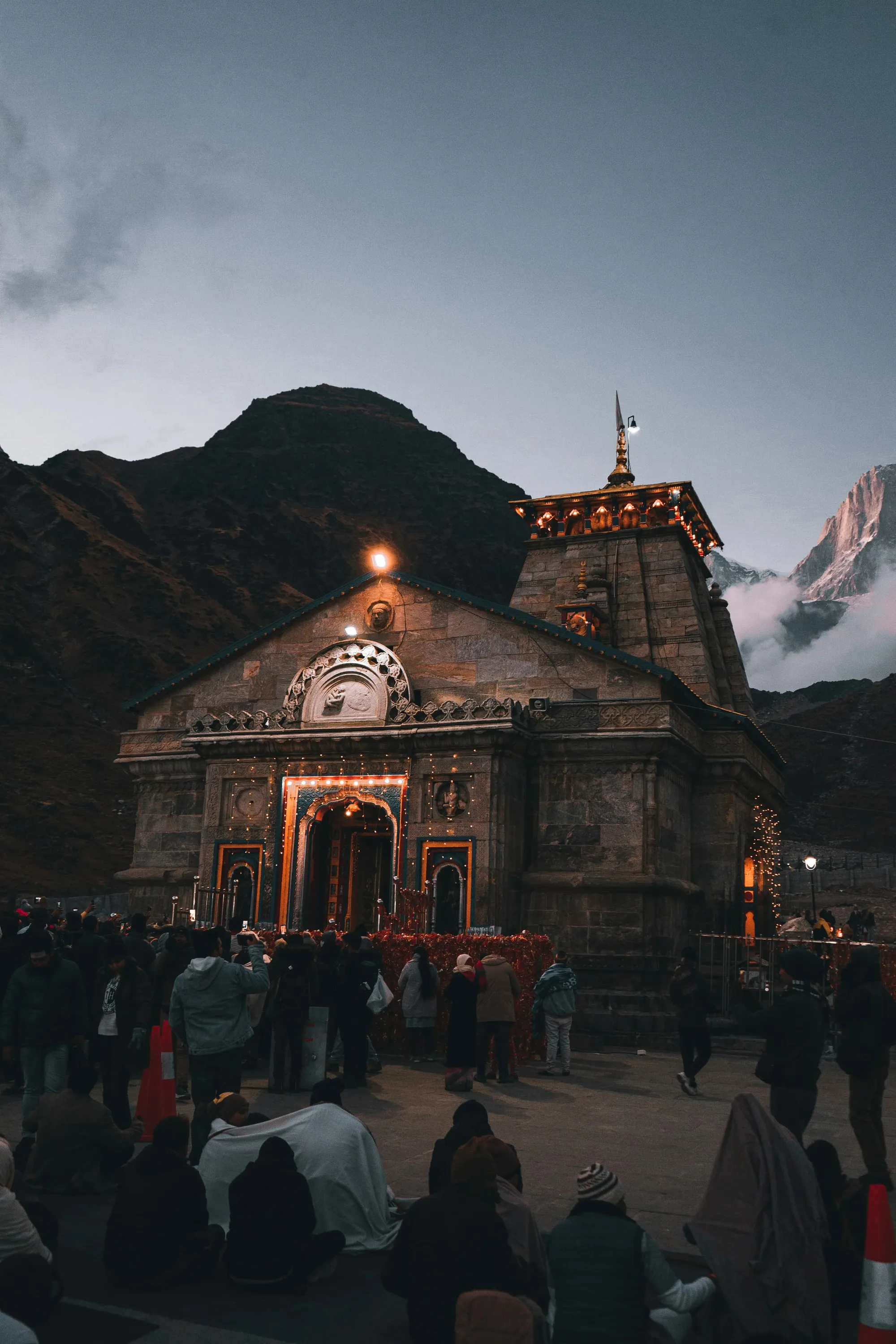
Best Time —
Kedarnath Yatra.
Pilgrimage Readiness
Am I ready?
Seasonal Overview
The Himalayan pilgrimage follows four distinct phases:
Opening Season
Late April – May
Fresh atmosphere, snow remains
Early Summer
June
Highest footfall, warmer weather
Monsoon
July – August
Frequent rain, landslide risks
Golden Window
September – October
Clear skies, best visibility
Most families choose May, September, and October because roads are generally more reliable and the weather is comfortable.
Our recommendation
If you can choose only one month, choose October.
If October isn't possible, May and September are excellent alternatives. Avoid July and August unless your dates are fixed.
Best road conditions
Comfortable weather
Highest recommendation
Editor's Notes
May and October are peak season but for opposite reasons — May is warm and clear, October has the sharpest Himalayan views. October is marginally better for the trek experience. Both require booking 6–8 weeks ahead.
Kedarnath closes on Kartik Purnima — late October. The closing ceremony draws large crowds but the trek conditions deteriorate rapidly in the second half of October. Do not cut it close.
September is the least-discussed but genuinely excellent month — monsoon retreating, trail conditions improving, queues shorter than May or October, and Kedarnath valley turns dramatically green.
Season at a Glance
Month-by-Month Guide
January
ClosedOff Season
Temple closed. Under deep snow. No yatra.
Empty Trails
Temple closed for winter
February
ClosedOff Season
Temple closed. Heavy snow.
Empty Trails
Temple closed
March
ClosedOff Season
Temple closed. Snow melting.
Empty Trails
Temple closed
April
RecommendedEarly Access
Temple opens late April on Akshaya Tritiya. First week — fresh opening, manageable crowds. Trek path being cleared.
Lower Crowds
May
RecommendedTemple Opening Season
Peak season begins. Large crowds after opening. Schools on summer break — family groups. Hot in lower valleys but pleasant at Kedarnath.
Empty Trails
June
PeakHighest Pilgrim Traffic
Crowd continues high. Monsoon begins late June — approach road vulnerable to landslides from late June onwards.
Highest Pilgrim Traffic
July
AvoidFrequent Landslides
Peak monsoon. High landslide risk on Rishikesh-Rudraprayag highway. Trek path slippery. Yatra may be suspended temporarily during heavy rainfall.
Balanced Crowds
Monsoon — landslide risk on approach road
August
AvoidMonsoon Rains
Heavy monsoon continues. Road closures possible. Trek path damaged in places. Not recommended for first-time pilgrims.
Balanced Crowds
Peak monsoon — road and trek conditions unreliable
September
PeakPost-Monsoon Landscape
Monsoon retreating. Weather stabilising. Trek path repaired. Clear views returning. Crowds significantly lower than May-June. Best month overall.
Balanced Crowds
October
PeakClear Mountain Views
Post-monsoon peak. Crystal clear views of Kedarnath peak and surrounding ranges. Cool temperatures. Temple closes in late October. Book before closing date.
Highest Pilgrim Traffic
November
ClosingClosing Ceremonies
Temple closes in early November on Bhai Dooj. Only visit in first week before closing.
Lower Crowds
Temple closing for winter — check exact closing date
December
ClosedOff Season
Temple closed for winter.
Empty Trails
Temple closed
Opening & Seasonal Info
Most pilgrimage sites in this region follow seasonal patterns. Registration often opens 1-2 months in advance of the peak season. Always check specific dates for the current year.
Climate & Gear
Temperatures can vary significantly between day and night. We recommend carrying multi-season layers to stay comfortable throughout your journey.
Timing your yatra right matters. Share this with your family.
Ready to choose your travel dates?
Compare operators available during your preferred season for the Kedarnath Yatra.